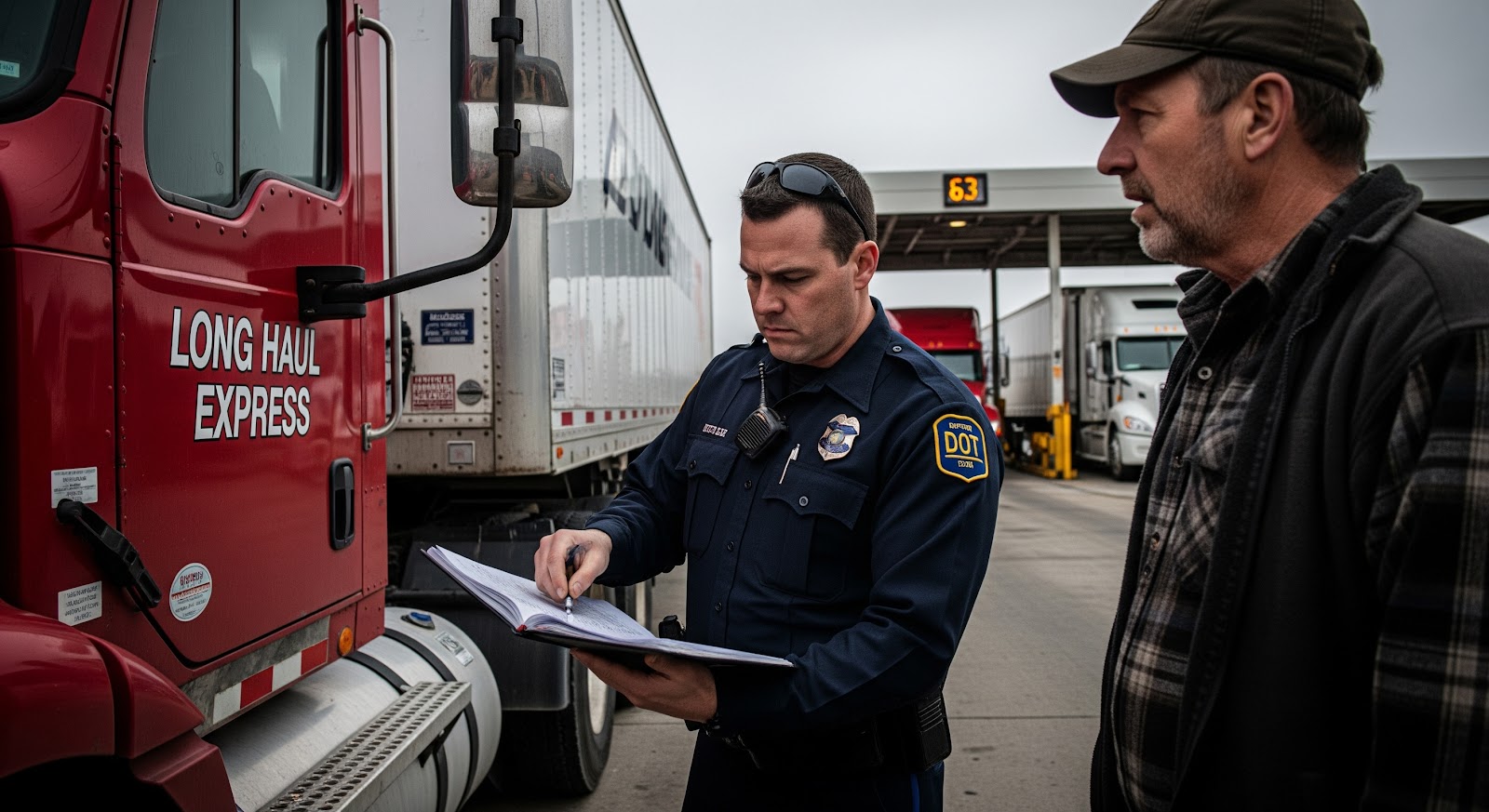
If you’re operating a commercial trucking business, chances are you’ll undergo a DOT audit at some point. A DOT audit, conducted by the Federal Motor Carrier Safety Administration (FMCSA), is a formal review of a motor carrier’s compliance with federal safety regulations. These audits are designed to ensure that trucking companies are operating safely and responsibly, protecting both the drivers on the road and the general public.
DOT audits can be triggered for several reasons, including new entrant status, safety violations, random selection, or complaints. There are different types of audits, such as New Entrant Safety Audits, Compliance Reviews, and Focused Investigations, but all of them require thorough documentation and adherence to FMCSA regulations.
Why DOT Audit Preparation Is So Important
DOT audits aren’t something to take lightly. Failing an audit can result in serious consequences for your business, including:
- Fines and Penalties: Non-compliance can lead to costly fines that hurt your bottom line.
- Loss of Operating Authority: In severe cases, you could lose your ability to operate legally, which would shut down your business.
- Delays and Disruptions: Being unprepared can create significant delays in operations, especially if you’re scrambling to produce required documents.
- Reputation Damage: A poor safety rating can impact your ability to get contracts, retain drivers, and maintain trust with partners and customers.
Being proactive and organized in your audit preparation not only keeps you compliant but also reduces stress and ensures that your business can continue running smoothly if an audit notice comes your way. With the right checklist and preparation strategy, you can confidently face any DOT review and maintain a strong safety and compliance record.
Understanding the DOT Audit
Before diving into your preparation checklist, it’s important to understand what a DOT audit is and why it matters to your business.
What is a DOT Audit?
A DOT audit is a formal review conducted by the Federal Motor Carrier Safety Administration (FMCSA) or a state partner agency to assess whether a motor carrier is complying with federal safety regulations. These audits focus on a carrier’s safety practices, documentation, and adherence to FMCSA requirements covering drivers, vehicles, operations, and more.
The goal of a DOT audit is to ensure public safety by verifying that carriers are operating responsibly and within the law. Whether you manage a single truck or an entire fleet, your business is subject to FMCSA rules and may be audited at any time.
Types of DOT Audits
There are several types of DOT audits, each serving a different purpose. Here’s a quick breakdown:
1. New Entrant Safety Audit
This audit is required for newly registered motor carriers within their first 12 months of operation. It ensures that your company understands and is following all safety regulations from the beginning. Failure to pass this audit can result in the loss of your operating authority.
2. Compliance Review (CR)
A more in-depth investigation of a carrier’s safety practices, often triggered by safety concerns, crash reports, or violations. The purpose of a compliance review is to determine whether the carrier is complying with all applicable FMCSA regulations. The outcome of this audit can affect your Safety Fitness Rating (Satisfactory, Conditional, or Unsatisfactory).
3. Focused Audit (Investigation)
This type of audit targets specific areas of concern, such as driver qualifications, hours of service (HOS), drug and alcohol testing, or maintenance records. It may be initiated in response to a specific incident, like a serious crash or complaint.
Who Conducts DOT Audits and Why?
DOT audits are conducted by FMCSA safety investigators or state enforcement officers acting on behalf of the FMCSA. These professionals are trained to review safety records, procedures, and documentation to ensure that your company meets federal safety standards.
The FMCSA’s mission is to reduce crashes, injuries, and fatalities involving large trucks and buses. Conducting audits is one of the primary tools used to ensure motor carriers are operating safely and staying compliant with federal regulations.
What Triggers a DOT Audit?
A DOT audit can be planned or unplanned, and there are several triggers that may bring your company under review:
New Carrier Registration
All new entrants into the trucking industry must undergo a safety audit within their first 12 months of operation. This is a mandatory step to keep your USDOT operating authority active.
Complaints
Complaints from the public, drivers, or former employees, especially those related to safety violations, can trigger an audit. These are taken seriously by the FMCSA and often result in focused investigations.
Crashes
A history of frequent or severe accidents, especially those involving injuries or fatalities, will often lead to a compliance review to determine if safety regulations were being followed.
Violations
A pattern of safety violations discovered during roadside inspections, such as hours of service violations, vehicle maintenance issues, or driver disqualifications, can prompt a deeper review by the FMCSA.
Random Selection
In some cases, motor carriers may be selected for an audit as part of a random review process or targeted enforcement initiative. These random audits ensure that all carriers, regardless of size or history, remain compliant.
Understanding how and why DOT audits happen is the first step toward being fully prepared. In the next section, we’ll walk through the exact documentation and procedures you need to review to pass your audit with confidence.
Your DOT Audit Preparation Checklist
To pass a DOT audit successfully, it’s critical to have your documentation well-organized and up to date. Use this checklist to review each key area the FMCSA will examine during an audit. Being proactive not only helps you stay compliant but also reduces the risk of fines, disruptions, or loss of authority.
1. Driver Qualification Files
Each driver operating a commercial motor vehicle must have a complete Driver Qualification (DQ) file. These files prove that your drivers are legally qualified and medically fit to operate.
- Employment Application: Must include detailed job history for the past 3 years (and 10 years for CDL holders), including contact information and reasons for leaving previous employers.
- CDL Copies: Maintain a valid copy of the driver’s current Commercial Driver’s License (CDL).
- Medical Certificates: Ensure current medical examiner’s certificates (DOT physicals) are on file, along with any exemptions or waivers.
- Motor Vehicle Records (MVRs): Request and retain the driver’s MVR annually from each state where the driver holds a license.
- Safety Performance History: Must include previous employer safety performance inquiries and responses, maintained for at least 3 years.
2. Hours of Service (HOS) Logs
Proper documentation of driver hours is crucial for avoiding violations and demonstrating compliance with HOS regulations.
- ELD Records: If required, maintain accurate records from your Electronic Logging Device (ELD) system. For exempt drivers, ensure that paper logs are complete and accurate.
- Supporting Documents: Collect and retain documents like fuel receipts, toll records, and bills of lading that support logged hours.
- Retention Requirements: HOS records must be retained for 6 months, and supporting documents for at least 6 months as well.
3. Vehicle Maintenance Files
Each commercial vehicle must have its own file containing a full maintenance history to prove it’s being kept in safe operating condition.
- Inspection Reports (DVIRs): Retain pre- and post-trip inspection reports, especially noting any defects and repairs.
- Repair and Maintenance Logs: Document all repairs, services, and routine maintenance (e.g., oil changes, brake checks).
- Annual Inspection Records: Ensure each vehicle undergoes an annual DOT inspection, and retain copies of inspection reports and certifications.
4. Drug and Alcohol Testing Program
Motor carriers must have a compliant drug and alcohol testing program in place for all CDL drivers operating vehicles over 26,000 lbs.
- Pre-Employment, Random, Post-Accident Testing Records: Maintain all test results and documentation for each required testing category.
- Consortium Agreement: If you’re using a third-party consortium, keep a copy of the service agreement and ensure they’re FMCSA compliant.
- Chain of Custody Forms and Results: Ensure all tests are properly documented with official forms and lab-certified results.
5. Accident Register
Carriers are required to keep a record of all DOT-recordable accidents for at least 3 years.
- Accident Details: Include the date, location, driver name, number of injuries or fatalities, and whether a vehicle was towed.
- Definition: A DOT-recordable accident involves a fatality, an injury requiring immediate medical attention away from the scene, or a tow-away.
6. Insurance Documentation
You must carry and maintain proof of financial responsibility for your vehicles.
- Form MCS-90: Keep a current MCS-90 form issued by your insurance company as proof of liability coverage.
- Insurance Carrier Details: Maintain records of your provider, policy numbers, and contact information for verification purposes.
7. Hazmat Documentation (If Applicable)
If your fleet transports hazardous materials, you must comply with PHMSA and DOT hazmat regulations.
- Shipping Papers: Must include proper descriptions, emergency contact numbers, and handling instructions.
- Hazmat Training Records: All relevant employees must complete hazmat training every 3 years, retain certificates and test results.
- Registration and Permits: Keep copies of your current hazmat registration and any required state permits.
8. Unified Carrier Registration (UCR)
The UCR is an annual requirement for all carriers that operate interstate.
- Current Registration: Ensure you’ve paid for and completed your UCR registration for the current year.
- Proof of Payment: Keep a digital or physical receipt for audit verification.
9. Operating Authority & MCS-150
You must show proof that your operating authority is active and accurate.
- Authority Letter: Maintain a copy of the original operating authority letter issued by the FMCSA.
- MCS-150 Update: The Motor Carrier Identification Report (MCS-150) must be updated at least every two years, or sooner if your company information changes (e.g., fleet size, address, number of drivers).
10. Internal Audit / Mock Audit
One of the best ways to stay ready for a DOT audit is to perform regular internal audits of your safety and compliance records.
- Internal Reviews: Schedule periodic reviews of your files, logs, and systems to catch and fix issues before an official audit.
- Third-Party Support: Consider working with a compliance consultant or DOT expert to conduct a mock audit. This can provide insight into weak spots and improve your audit readiness.
Keeping this checklist up to date and organized will ensure you’re always audit-ready, whether it’s a scheduled compliance review or a surprise investigation. In the next section, we’ll walk through what to expect during an actual DOT audit.
Tips for a Successful DOT Audit
Preparing for a DOT audit isn’t just about scrambling for documents when you get a notice, it’s about building solid compliance habits year-round. These best practices will help you stay audit-ready, reduce stress, and ensure a smooth process if you’re selected for a review.
Stay Organized Year-Round
One of the most common reasons carriers struggle during a DOT audit is poor recordkeeping. Don’t wait until the last minute to locate or fix your documents. Maintain a system for tracking all required files, driver documents, vehicle records, inspections, and drug testing data, on an ongoing basis.
Pro Tip: Create a monthly or quarterly checklist to regularly review and update files so you’re never caught off guard.
Keep Digital and Physical Copies of Records
The FMCSA allows for both digital and paper records, but it’s smart to maintain both whenever possible. Digital records allow for faster retrieval during audits, especially remote ones, while physical backups protect you in the event of system failures or data loss.
- Use cloud storage or fleet compliance platforms to safely store digital records.
- Keep paper files neatly labeled and secured in a central location.
- Always have a backup plan in case of computer crashes or internet issues.
Train Your Team on Compliance Procedures
Your drivers, dispatchers, safety managers, and office staff all play a role in maintaining compliance. Make sure everyone understands:
- What documents they’re responsible for
- How to complete daily logs and DVIRs accurately
- What to do in the event of an accident or roadside inspection
- How to handle an auditor’s request during a review
Ongoing training keeps your staff sharp, prevents costly mistakes, and ensures consistency across your team.
Use Fleet Management Tools to Stay Audit-Ready
Investing in the right technology can significantly simplify your compliance efforts. Fleet management software or compliance tools can help automate recordkeeping, monitor HOS compliance, schedule maintenance, and send alerts for expiring documents.
Benefits of using digital tools include:
- Real-time tracking of vehicle and driver data
- Automated alerts for license renewals, medical card expirations, and inspections
- Easy access to audit files through a central dashboard
Platforms like ExpressTruckTax can also assist with HVUT compliance and vehicle record management, helping you stay organized in all aspects of your operation.
Keep Communication Lines Open with Your DOT Auditor
If you are selected for an audit, don’t panic. The auditor is there to assess compliance, not to shut you down without cause. Professionalism, honesty and clear communication go a long way.
- Respond promptly to all requests for information.
- Ask clarifying questions if you’re unsure what’s needed.
- Be cooperative, even if you’re missing documentation, showing effort and intent to correct issues can work in your favor.
Being respectful and prepared helps foster a more positive review process and can reduce the severity of any enforcement actions.
A DOT audit doesn’t have to be stressful if you treat compliance as a daily priority rather than a last-minute scramble. By staying organized, investing in the right tools, and fostering a culture of accountability, you can approach any audit with confidence.