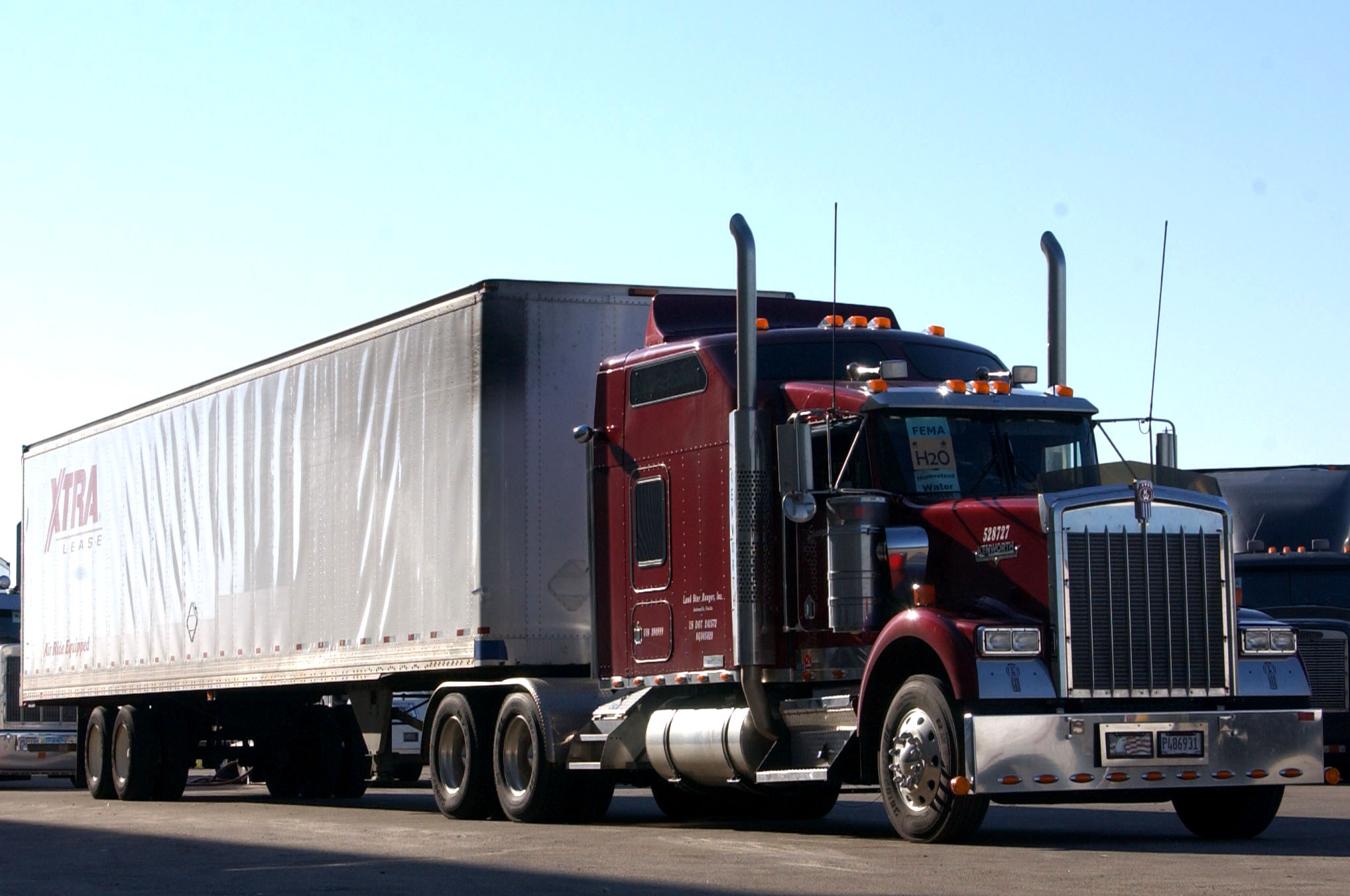
If you operate a heavy vehicle with a taxable gross weight of 55,000 pounds or more, there’s one document you can’t afford to overlook: IRS Schedule 1. This crucial form isn’t just another piece of paperwork, it’s your official proof that you’ve filed Form 2290, the Heavy Vehicle Use Tax return, and paid any taxes due to the IRS.
Whether you’re an owner-operator, fleet manager, or handle compliance for a trucking business, understanding what Schedule 1 is and why it matters is essential to keeping your operations legal and on the road.

What is IRS Schedule 1?
IRS Schedule 1 is the stamped confirmation page you receive after filing Form 2290 with the IRS. It includes important details such as:
- Your Employer Identification Number
- The Vehicle Identification Numbers for your trucks
- The tax period
- And most importantly, the IRS e-file watermark or stamp proving the return was accepted
This document is required by law and is a key part of staying compliant with federal tax regulations for heavy highway vehicles.
Why Schedule 1 Matters for Truckers
For most truckers, the most immediate reason Schedule 1 is important is this: You can’t register your vehicle with the DMV without it.
Whether you’re renewing your tags, updating your registration, or purchasing a new truck, state DMVs require a current, IRS-stamped Schedule 1 to process your request. Without it, you could face delays in registration, fines, or even be pulled off the road.
Beyond registration, having an accurate and up-to-date Schedule 1 helps you:
- Avoid IRS penalties for non-compliance
- Prove tax payment during audits
- Maintain accurate business and fleet records
- Ensure you’re fully covered for insurance and leasing purposes
IRS Schedule 1 is a critical piece of your compliance puzzle. And the good news? Getting it doesn’t have to be complicated, especially if you e-file with an IRS-authorized provider like ExpressTruckTax, where most filers receive their Schedule 1 in minutes, not days.
Who Needs IRS Schedule 1?
If you’re involved in the operation, ownership, or management of heavy highway vehicles, IRS Schedule 1 is not optional, it’s essential. Whether you’re behind the wheel or managing a fleet from behind a desk, here’s who must file Form 2290 and keep a valid Schedule 1 on hand:
Owner-Operators
If you own and operate your own truck with a gross weight of 55,000 pounds or more, you’re legally required to file Form 2290 and obtain a Schedule 1. This form proves to the IRS, and the DMV, that you’ve paid the necessary Heavy Vehicle Use Tax for the year. Without it, you can’t:
- Register or renew your vehicle registration
- Get license plates
- Stay compliant with federal regulations
Even if your truck is paid off and you’re the sole operator, you still need to file annually and have an up-to-date Schedule 1.
Fleet Managers
Managing a fleet of trucks? Whether it’s a handful of vehicles or thousands, each qualifying vehicle needs to be reported on Form 2290, and each must be covered by a valid Schedule 1. Fleet managers are typically responsible for:
- Bulk filing Form 2290 for multiple vehicles
- Ensuring each VIN is listed correctly
- Distributing copies of Schedule 1 for registration and compliance
- Filing 2290 Amendments if vehicle weights change or mileage limits are exceeded
Fleet compliance hinges on accurate and timely Schedule 1 filings.
Leasing Companies
If your company leases heavy vehicles under long-term contracts, the responsibility to file Form 2290 and secure Schedule 1 usually falls on you, not the lessee. The IRS defines long-term leases as contracts lasting 30 days or more, and in such cases, the leasing company is considered the owner for HVUT purposes. You’ll need to:
- File Form 2290 using your company’s EIN
- Provide Schedule 1 to your lessees so they can register the vehicles
Failing to do so could delay customer registrations or result in compliance penalties.
Agricultural vs. Non-Agricultural Vehicles
All heavy vehicles used on public highways are subject to HVUT, but the rules differ slightly depending on use:
- Agricultural Vehicles:
- Defined by the IRS as vehicles used primarily for farming
- Must file Form 2290 if gross weight is 55,000 lbs+
- Enjoy a higher mileage exemption limit of 7,500 miles annually (compared to 5,000 for regular vehicles)
- Still require a Schedule 1, even if taxes aren’t owed due to mileage suspension
- Defined by the IRS as vehicles used primarily for farming
- Non-Agricultural Vehicles:
- Includes trucks used for freight, construction, towing, and other commercial uses
- Must file Form 2290 and pay HVUT if mileage exceeds 5,000 annually
- Schedule 1 is always required, whether tax is owed or not
- Includes trucks used for freight, construction, towing, and other commercial uses
Regardless of tax liability, if your vehicle meets the weight threshold, you must file and keep Schedule 1 as proof.
Anyone Registering a Heavy Vehicle with the DMV
This is the most universal requirement:
If you’re trying to register a heavy highway vehicle, your state DMV will require a valid, IRS-stamped Schedule 1.
This includes:
- New vehicle purchases
- Tag renewals
- Title transfers
- IRP applications
No stamped Schedule 1? No tags, no registration, no road time.

When Do You Need to File Form 2290 to Get Schedule 1?
Understanding the deadlines for filing Form 2290 is key to avoiding penalties and ensuring you get your IRS-stamped Schedule 1 in time for vehicle registration and compliance. The IRS has strict filing timelines based on when a vehicle is first used on public highways, and missing them can result in costly fines and delays.
Here’s what you need to know:
HVUT Tax Year Runs from July 1 to June 30
The Heavy Vehicle Use Tax (HVUT) operates on a tax year that begins July 1 and ends the following June 30. This is not the same as the calendar year or standard tax year used for income taxes.
If your vehicle is active on the road at the start of the HVUT tax year (July 1), you’re expected to file Form 2290 and obtain your Schedule 1 for that vehicle as part of your annual compliance.
Deadline: August 31 for Vehicles on the Road as of July 1
For vehicles that were already in use on or before July 1, the filing deadline is August 31 of that same year. This is the most common due date for most truckers and fleets.
For example:
- If your truck was on the road July 1, 2025
- You must file by August 31, 2025
- Your Schedule 1 will cover the tax period from July 1, 2025, to June 30, 2026
Failing to file by August 31 can lead to IRS penalties, interest, and delays in renewing your vehicle registration.
Pro-Rated Deadlines for New Vehicles (Based on First Use Month)
If you add a new vehicle to your fleet or put a truck on the road mid-year, your Form 2290 filing deadline is pro-rated and based on the First Used Month of the vehicle.
The IRS requires you to:
- File Form 2290 by the last day of the month following the vehicle’s first use
- Only pay HVUT taxes for the months remaining in the tax year
Example: If your truck’s first use on public highways was in October, you must:
- File Form 2290 by November 30
- Pay a prorated HVUT amount covering October to June
This ensures you’re not overpaying tax, but you’re still compliant and can receive a valid Schedule 1.
ExpressTruckTax automatically calculates your pro-rated tax and due date based on the First Used Month you enter.
Penalties for Late Filing or Missing Schedule 1
The IRS takes HVUT compliance seriously. Failing to file Form 2290 or obtain your stamped Schedule 1 on time can result in:
Late Filing Penalties
- 4.5% of the total tax due, assessed monthly (up to 5 months)
Late Payment Interest
- 0.5% per month of the unpaid tax
- Additional interest charges may apply
Business Consequences
- Inability to register or renew vehicle registration at the DMV
- Delays in putting new vehicles on the road
- Risk of fines during DOT audits
Pro Tip: If you file through ExpressTruckTax, you’ll receive instant email notifications and alerts about upcoming deadlines, helping you stay ahead of penalties and stay compliant year-round.

How to Get IRS Schedule 1 Quickly
When it comes to getting your IRS Schedule 1, speed and accuracy matter. Whether you’re registering a new truck, renewing your tags, or undergoing a DOT audit, waiting days, or even weeks, for paperwork can put your operation on hold.
The fastest and most reliable way to receive your Schedule 1 is by filing Form 2290 electronically with an IRS-authorized e-file provider like ExpressTruckTax.
A. Filing Form 2290 Electronically
E-filing has quickly become the standard for HVUT compliance, especially for fleet owners and tax professionals managing multiple vehicles.
E-filing Required for 25 or More Vehicles
The IRS requires electronic filing if you’re reporting 25 or more vehicles on Form 2290. Even for fewer vehicles, e-filing is recommended because it eliminates:
- Mail delays
- Manual IRS processing time
- Paper-based errors
It’s faster, safer, and gives you proof of compliance in minutes, not weeks.
Fastest Way to Receive Schedule 1 (Usually Within Minutes)
When you e-file, your return is transmitted directly to the IRS through a secure system. Once approved, you’ll receive your IRS-stamped Schedule 1 within a few minutes in most cases.
This allows you to:
- Immediately register your vehicle with the DMV
- Forward proof to leasing companies or insurers
- Keep your trucks moving without delay
E-filing vs. Paper Filing: A Timeframe Comparison
| Filing Method | Processing Time | Schedule 1 Delivery | Risks |
| E-filing | A few minutes to 24 hours | Instant (email, fax, or download) | Very low |
| Paper Filing (by mail) | 4–6 weeks (or longer) | Mailed copy | Delays, lost mail, manual errors |
E-filing is clearly the better option, especially if you’re under a tight deadline.
B. Using ExpressTruckTax
As the #1 IRS-authorized e-file provider for Form 2290, ExpressTruckTax offers truckers a fast, secure, and stress-free way to get their IRS Schedule 1. Whether you’re a first-time filer or managing thousands of trucks, our system is built to save time and reduce errors.
3-Step Easy Filing Process
- Enter Business & Vehicle Details – Just your EIN, VIN, and gross vehicle weight.
- Choose a Payment Method – EFTPS, EFW, debit/credit card, or check/money order.
- Transmit Electronically – Review your return, submit, and receive your Schedule 1 in minutes.
The process is intuitive and can be completed in less than 10 minutes.
Guaranteed Schedule 1 or Your Money Back
We’re so confident in our system that we offer a Schedule 1 Guarantee:
If you don’t receive your IRS-stamped Schedule 1, we’ll refund your filing fee.
This peace of mind makes ExpressTruckTax the trusted solution for over 5 million filings.
Instant Delivery Options
Once your return is accepted, you’ll get your Schedule 1 via:
- Email (automatically sent)
- Fax (optional)
- Download from your ExpressTruckTax dashboard at any time
You can also resend or reprint it as often as you need, at no extra cost.
Mobile App Convenience
Need to file from the road? Use the ExpressTruckTax mobile app to:
- File a return in minutes
- Upload VINs
- Pay your HVUT
- Access past filings
- Get instant push notifications when your Schedule 1 is ready
Perfect for owner-operators and fleet managers who need flexibility and speed.
IRS-Authorized, Secure, and Error-Checked
ExpressTruckTax is:
- An IRS-authorized e-file provider
- SSL-encrypted and Comodo Hacker Safe certified
- Built with smart error checks to reduce VIN mistakes and rejections
Our direct IRS integration ensures fast processing and real-time filing updates.

Schedule 1 for Tax Professionals & Fleet Managers
While individual owner-operators often file for just one or two vehicles, tax professionals and fleet managers deal with dozens, hundreds, or even thousands of trucks, and that means handling just as many IRS Schedule 1s. Managing HVUT compliance at scale requires specialized tools to ensure speed, accuracy, and accountability.
That’s where ExpressTruckTax excels, offering powerful features built specifically for high-volume filers who need to stay organized, compliant, and audit-ready.
Multi-Client Dashboards for Tax Professionals
For CPAs, enrolled agents, and tax preparers handling 2290 filings for multiple clients, ExpressTruckTax provides a centralized dashboard to:
- Add and manage unlimited clients
- File 2290s for each business under one login
- View filing history and access IRS Schedule 1s instantly
- Track which clients are due, filed, or pending
- Store and retrieve documents for future returns or audits
You can also manage multiple EINs, keep client information securely stored, and download Schedule 1s any time for DMV or registration purposes.
Bonus: You can brand the portal with your firm’s logo and offer a seamless, professional experience to your clients.
Bulk Filing Capabilities, Upload Up to 40,000 VINs
For large fleets, entering vehicle data manually just isn’t an option. ExpressTruckTax offers robust bulk upload tools that allow you to:
- Import thousands of vehicles at once using Excel or CSV templates
- Instantly check for errors, duplicate VINs, or formatting issues
- Group vehicles by weight categories for efficient tax calculations
- Save and reuse vehicle lists year after year
This is ideal for:
- Fleets with 25+ vehicles (mandatory e-filing threshold)
- Leasing companies with frequent vehicle changes
- DOT compliance teams that need speed and precision
Plus, every return includes built-in error-checks to prevent rejections due to typos or invalid VINs.
Direct Integrations with State DMVs
ExpressTruckTax is an official partner with multiple state Departments of Motor Vehicles, streamlining the process of Schedule 1 verification.
This offers major benefits for tax professionals and fleet managers:
- Faster vehicle registrations
- Reduced DMV rejections due to incorrect or missing Schedule 1s
- Real-time confirmation of IRS filings
- Enhanced fraud prevention through EIN and VIN validation tools
DMV staff can verify e-filed Schedule 1s directly, reducing paperwork delays and errors during registration or renewal.
Schedule 1 Management for Compliance & IRS Audits
Fleet operators and tax professionals often face compliance audits, where proving HVUT payment and proper documentation is critical. With ExpressTruckTax, you can:
- Download IRS-stamped Schedule 1s on demand for any filing
- Maintain organized digital records for all EINs and vehicles
- Generate detailed reports on tax payments and filing status
- Re-send or reprint documents any time, no paper trail needed
Having a centralized system to store and retrieve these forms can save hours of manual work and protect your business during an audit.
ExpressTruckTax Simplifies Large-Scale Schedule 1 Management
Whether you’re filing for one client or 40,000 trucks, ExpressTruckTax gives you:
- A unified dashboard
- Time-saving bulk upload tools
- DMV-ready compliance support
- Unlimited access to critical documents
You get the power and reliability to handle HVUT filing season without bottlenecks, rejections, or late penalties, keeping your clients and your fleet on the road.