Category: Truck Industry

The Trucking Industry Driver Shortage Impact: Understanding and Tackling the Labor Crisis

Trucking Industry Driver Shortage Impact

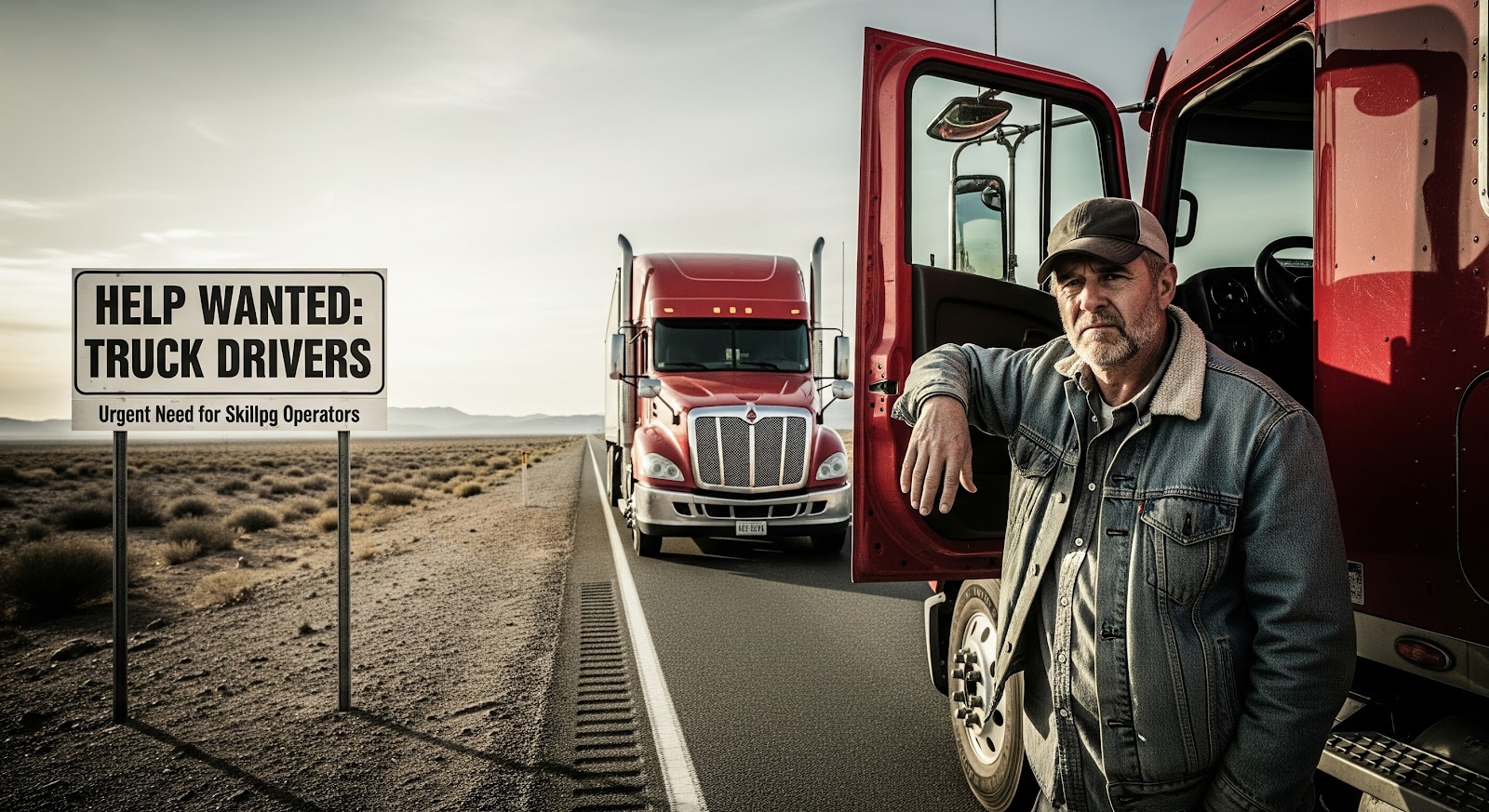
The U.S. trucking industry is the backbone of the nation’s supply chain, responsible for transporting over 70% of all freight across the country. From food and fuel to construction materials and retail goods, nearly every sector of the economy depends on timely and efficient trucking services. However, the industry is currently grappling with a critical challenge that threatens to disrupt this flow: a significant and ongoing shortage of qualified drivers.

The impact of the trucking industry driver shortage is being felt across the entire logistics industry. Carriers are struggling to fill vacant positions, freight rates are rising, delivery delays are becoming more common, and businesses of all sizes are feeling the downstream effects. This shortage has reached a tipping point, affecting not just the transportation sector; it’s a nationwide economic concern.

Addressing this labor crisis is no longer optional. With demand for freight transportation remaining high, the consequences of inaction could lead to long-term instability in the supply chain. In this article, we’ll explore the root causes of the driver shortage, its widespread impact, and what steps the industry can take to reverse the trend and secure a more sustainable future.

Understanding the Truck Driver Shortage

The truck driver shortage refers to the growing gap between the number of qualified drivers available and the number of commercial vehicles that need to be operated. This labor shortfall has become one of the most pressing issues in the freight and logistics sector, straining companies’ ability to meet demand and keep supply chains running smoothly.

While the shortage has been building for years, recent trends have accelerated its impact, forcing both small carriers and large fleets to reconsider their recruitment, retention, and compensation strategies.

What Is Causing the Truck Driver Shortage?

The reasons behind the driver shortage in the trucking industry are complex and multi-layered. Several key factors contribute to the problem:

An Aging Workforce

A significant portion of today’s truck drivers are approaching retirement age. According to the American Trucking Associations (ATA), the average age of an over-the-road truck driver is around 46, with many nearing the end of their careers. As veteran drivers retire, there aren’t enough younger workers entering the field to replace them.

Lack of New Entrants

Recruiting younger drivers has proven challenging. Many potential candidates are deterred by the licensing process, the perceived lack of work-life balance, and long hours on the road. Additionally, federal regulations require drivers to be at least 21 to operate interstate, creating a gap between high school graduation and career eligibility that other industries are filling first.

Lifestyle and Job Demands

Truck driving can be physically and mentally demanding. Long stretches away from home, irregular schedules, limited access to health services, and isolation contribute to high turnover rates. These lifestyle challenges make it difficult for fleets to retain qualified drivers over the long term.

The Economic Ripple Effect

The trucking driver shortage is more than just a labor issue; it has a direct and measurable impact on the broader economy.

Increased Freight Rates

With fewer drivers available to meet demand, shipping rates have climbed. Companies are forced to pay more to move goods, and those increased costs are often passed down to retailers and, ultimately, to consumers.

Delivery Delays and Supply Chain Disruptions

Fewer available drivers mean longer wait times for shipments and more frequent delays. From grocery store shelves to manufacturing lines, late deliveries can disrupt operations and reduce productivity.

Impact on Consumers and Inflation

As transportation costs rise and delays become more common, consumers may face higher prices and limited product availability. The driver shortage in the trucking industry has been cited as a contributing factor to recent inflation trends, particularly in sectors reliant on just-in-time delivery.

What’s Behind the Driver Shortage in the Trucking Industry?

While demographic shifts and lifestyle challenges play a significant role in the truck driver shortage, deeper systemic issues are also making it harder for the industry to attract and retain qualified drivers. Among these are stringent federal regulations, disruptive technology mandates, and ongoing difficulties with recruitment and turnover. Together, these factors continue to intensify the driver shortage in the trucking industry.

Regulatory Challenges and Compliance Burdens

Regulations designed to improve safety and accountability in the industry have also placed additional strain on drivers and carriers, often discouraging new entrants and accelerating burnout among existing drivers.

FMCSA Rules and Hours of Service Limitations

The Federal Motor Carrier Safety Administration (FMCSA) enforces Hours of Service (HOS) regulations, which limit the number of consecutive hours a driver can operate a commercial vehicle. While these rules are intended to reduce fatigue-related accidents, they can also restrict a driver’s earning potential and disrupt route planning. Many drivers feel these limits reduce flexibility and add complexity to their schedules.

Electronic Logging Device (ELD) Mandate

The introduction of the ELD mandate, which requires electronic tracking of a driver’s hours, has significantly changed the day-to-day experience of trucking. While it has increased compliance with HOS rules, it has also created frustration among drivers who feel overly monitored and micromanaged. Smaller carriers, in particular, have struggled with the cost and implementation of ELD systems.

High Driver Turnover Rates

The driver shortage in the trucking industry is not only about attracting new drivers, but also about keeping them. Turnover rates, especially among long-haul drivers, remain consistently high, often exceeding 90 percent annually at large carriers.

Causes of Turnover

Many drivers cite low pay relative to time spent away from home, lack of benefits, poor working conditions, and limited support from dispatchers or management as reasons for leaving. Without meaningful changes to improve job satisfaction and compensation structures, retaining experienced drivers remains a significant challenge.

Recruitment Difficulties

The pool of eligible and interested candidates is shrinking. In addition to the federal age requirement of 21 for interstate driving, many younger workers are seeking career paths that offer more flexibility, better work-life balance, or advancement opportunities that the traditional trucking industry has struggled to provide.

Compounding the issue, many CDL training programs have long waitlists or high costs, discouraging those who may otherwise consider entering the field.

Barriers to Entry for New Drivers

Beyond age and training requirements, insurance restrictions often prevent companies from hiring newly licensed drivers. Many insurers require a minimum of two years of experience, making it difficult for entry-level drivers to find jobs even after earning their Commercial Driver’s License (CDL). This creates a frustrating loop that keeps fresh talent out of the workforce and worsens the long-term sustainability of the driver pool.

The Effects of the Trucking Driver Shortage on Fleets and Owner-Operators

While the trucking driver shortage affects the industry as a whole, small fleets and independent owner-operators are bearing a disproportionate share of the burden. These groups often have fewer resources and thinner margins, making them more vulnerable to rising costs, reduced productivity, and increasing pressure to adapt to changing market demands.

Operational Strain on Small Fleets

Small trucking companies, typically operating with fewer than 20 trucks, are the backbone of the American freight system. Yet they are also the most exposed to the financial and logistical challenges created by the driver shortage.

Rising Operating Costs

With fewer drivers available, wages and signing bonuses have increased industry-wide. Small carriers are forced to offer competitive compensation packages to attract and retain talent, often at the expense of profitability. Additionally, inflation in fuel prices, insurance premiums, maintenance, and regulatory compliance has further tightened operational budgets.

Carriers that cannot afford these rising costs may be forced to reduce fleet size, turn down loads, or operate at a loss, putting their business sustainability at risk.

Increased Recruitment and Training Expenses

Hiring new drivers is now more expensive than ever. Small fleets typically lack in-house recruiters or training departments and often must rely on outside services or expensive advertising campaigns. Training new drivers also takes trucks off the road, leading to lost revenue during the onboarding period.

Challenges for Owner-Operators

Independent owner-operators, who manage their own trucks and business operations, face similar but often more acute challenges during this trucking driver shortage crisis.

Fewer Available Loads and Longer Wait Times

In times of high driver scarcity, brokers and shippers tend to prioritize larger carriers with guaranteed capacity. This leaves owner-operators competing for fewer available loads, often with less favorable rates or less consistent scheduling. Wait times at docks and shipping yards have also increased, adding unpaid downtime to an already stretched schedule.

Pressure to Haul More for Less

With expenses rising and load availability fluctuating, many independent drivers find themselves caught between the need to increase their workload and the limitations of HOS regulations. Some may be forced to accept lower-paying jobs just to keep moving, sacrificing profitability and rest time to stay in business.

Wage Pressure Without Long-Term Stability

Whether managing a small fleet or operating independently, many drivers and owners are experiencing wage pressure that does not always translate into stability. While pay has increased in some segments of the industry, so have the expectations and workload.

For example, larger fleets may be able to offer incentives like health insurance, fuel discounts, or retirement plans. Smaller operations often cannot match these benefits, leading to ongoing difficulty retaining experienced drivers, especially when larger carriers begin recruiting aggressively during peak demand.

Regulatory Compliance Headaches

Staying compliant with DOT regulations, insurance requirements, and safety protocols has also become more difficult. The costs and time involved in managing ELDs, maintaining up-to-date driver qualification files, and ensuring proper vehicle inspections can stretch already limited administrative resources.

For owner-operators who wear multiple hats, driver, dispatcher, accountant, and compliance officer, these demands can become overwhelming and lead to burnout.

Tackling the Driver Shortage: Solutions and Strategies

Solving the trucking driver shortage is not about implementing a single fix; it requires a combination of short-term solutions and long-term investments across training, retention, and innovation. Industry leaders, policymakers, and carriers alike must work collaboratively to rebuild the driver pipeline and improve the overall experience for those behind the wheel.

Investing in Workforce Development

A core strategy for reversing the driver shortage is to expand access to CDL training and make trucking a more viable career path for younger generations.

Efforts to attract new drivers must begin with education and early exposure. Many potential candidates are unaware of the earning potential or career opportunities within the industry.

Key actions include:

  • Developing high school and community college partnerships to promote trucking careers.
  • Launching workforce initiatives that target underserved populations, veterans, and second-career workers.
  • Supporting apprenticeship programs that pair new drivers with experienced mentors during their first year on the road.

Additionally, offering financial assistance such as tuition reimbursement or low-interest training loans can help remove the entry cost barrier that discourages many from enrolling in CDL programs.

Improving Driver Retention

Keeping experienced drivers is just as important as recruiting new ones. High turnover has plagued the industry for years, often driven by poor work-life balance, inconsistent pay, and long stretches away from home.

To improve retention, carriers are:

  • We are increasing base wages and offering performance-based bonuses.
  • Providing flexible schedules that allow for more predictable home time.
  • Enhancing benefits, including healthcare coverage, retirement plans, and wellness programs.
  • Streamlining communication between dispatchers and drivers to build stronger relationships and reduce friction on the job.

Incorporating driver feedback into operational decisions and showing appreciation for their work can also go a long way in reducing burnout and increasing loyalty.

Rethinking Industry Image and Recruiting Strategies

One overlooked aspect of the trucking driver shortage is perception. Trucking is often viewed as a physically demanding, isolating job with little room for growth. Changing this narrative is critical for attracting younger talent.

This involves:

  • Highlighting real driver stories through digital marketing and social media.
  • Promoting the modern, tech-forward aspects of trucking to appeal to younger generations.
  • Showcasing diverse voices and encouraging more women and minorities to explore the field

Embracing Technology and Long-Term Automation

While technology cannot replace human drivers today, it can significantly improve their work environment and reduce the strain that contributes to early exits from the industry.

Carriers are increasingly adopting:

  • Route optimization software to minimize drive time and reduce fuel costs.
  • Electronic platforms for dispatch, compliance, and real-time communication to streamline operations.
  • Safety systems like lane-keeping assist and collision warnings support drivers on the road.

In the long run, autonomous trucks may be deployed in limited-use scenarios such as hub-to-hub long-haul routes. While this won’t solve the shortage overnight, it could help redistribute workloads and allow human drivers to focus on more complex or local deliveries.

Stay Compliant Amid Industry Challenges

The impact of the trucking industry driver shortage is undeniable. From rising costs and disrupted delivery schedules to slowed economic growth and increased pressure on small carriers, this ongoing crisis affects every corner of the supply chain. While industry leaders continue working toward long-term solutions through training, recruitment, retention, and technology, fleet owners and drivers must remain focused on what they can control right now.

Staying compliant with federal regulations, including HVUT filing requirements, is one of the most essential steps toward maintaining stability during uncertain times. Accurate, on-time tax filings not only keep your vehicles road-ready but also help avoid unnecessary fines, delays, or registration issues that can compound existing challenges.

Stay compliant with HVUT regulations even amid staffing challenges. File Form 2290 quickly and easily with ExpressTruckTax, the IRS-authorized e-file solution trusted by thousands of trucking professionals. Get your stamped Schedule 1 in minutes and keep your operations running smoothly.

Driving Change: How Women in Trucking Are Shaping the Industry

Women in Trucking

The trucking industry has long been seen as a male-dominated field, with images of long-haul drivers often reflecting that tradition. However, over the past decade, a quiet yet powerful shift has been underway. More women than ever are stepping into roles across the trucking sector—not just behind the wheel, but also in operations, safety, logistics, and leadership.

Highlighting the growing role of women in trucking is more than a nod to diversity—it’s a recognition of the evolving face of the industry. As the demand for qualified drivers and skilled logistics professionals continues to rise, the inclusion of women is not only helping to fill gaps but also bringing fresh perspectives, improved safety records, and enhanced workplace culture.

By shedding light on their contributions, we help inspire future generations, break down outdated stereotypes, and encourage fleets and companies to create more inclusive and supportive environments. This shift isn’t just about equality—it’s about driving innovation, resilience, and long-term success in the trucking world.

This article explores how women in trucking are shaping the industry—transforming not only how freight is moved but also how the industry itself is viewed and valued.

The Evolution of Women in Trucking

For most of the 20th century, trucking was perceived as a “man’s job”—physically demanding, requiring long stretches away from home, and steeped in a culture that left little room for women. Female truck drivers were few and far between, often met with skepticism or even hostility when they entered the field. Those who did break in were pioneers, navigating not only highways but also a landscape of bias and limited opportunity.

However, the tides began to turn slowly as societal norms evolved and economic needs shifted. With the rise of equal employment opportunities and increasing awareness of gender equity, more women began to explore careers in trucking—especially as commercial driver’s license (CDL) programs became more accessible and the industry began opening its doors to a broader talent pool.

Today, while women still represent a minority in the trucking workforce—roughly 12-14% according to recent statistics—their presence is steadily growing. And in key areas such as safety, retention, and customer satisfaction, they are outperforming expectations and redefining what it means to be a professional truck driver.

Key Milestones in Female Participation in the Trucking Industry

  • 1920s–1950s: A handful of women, like Lillie Elizabeth McGee Drennan—the first licensed female truck driver in Texas—challenge norms and become trailblazers for women behind the wheel.
  • 1970s–1980s: As feminist movements gain momentum, women begin entering traditionally male-dominated trades in greater numbers, including trucking. CDL training becomes more accessible.
  • 1990s: Large carriers and truck driver schools start actively recruiting women, driven by driver shortages and legal incentives to diversify.
  • 2007: The Women In Trucking Association (WIT) is founded, bringing national attention to the role and potential of women in the industry.
  • 2010s–Present: Technology, better truck designs, and improved workplace policies make the job more appealing and accessible to women. Female drivers earn recognition for safety records and industry contributions.
  • 2020s: Women are not only drivers but also fleet owners, safety officers, logistics experts, and executives—taking the wheel in every aspect of the supply chain.

The Influence of Organizations Like Women In Trucking Association (WIT)

The Women In Trucking Association (WIT), founded by Ellen Voie in 2007, has played a transformative role in advancing the careers of women across the trucking industry. With a mission to encourage the employment of women in trucking, address obstacles, and celebrate successes, WIT has become a leading advocate for inclusivity and equality.

Key initiatives include:

  • Annual WIT Index tracking female participation in various trucking roles.
  • Top Companies for Women to Work For in Transportation list.
  • Driver Ambassador Program, where women share experiences to inspire others.
  • Mentorship and scholarship opportunities for women pursuing CDL training or professional advancement.

Thanks to WIT and similar advocacy groups, women in trucking are no longer outliers—they’re leaders, mentors, and essential contributors to the industry’s future.

The Impact Women Are Making

Women in trucking are not just filling seats behind the wheel—they are transforming the entire landscape of the industry. From the driver’s seat to the boardroom, their presence is improving operations, setting new standards, and inspiring a more inclusive future for transportation.

A. On the Road

Female drivers are making a powerful mark on the highways, earning praise for their professionalism, safety, and service excellence. Studies consistently show that women truck drivers are less likely to be involved in serious accidents, have fewer compliance issues, and often score higher on customer satisfaction metrics. Fleets are increasingly recognizing that hiring more women is not just good for diversity—it’s good for business.

Key Statistics & Stories:

  • According to the American Transportation Research Institute (ATRI), women truck drivers have 50% fewer crashes on average than their male counterparts.
  • Carriers with higher percentages of female drivers report improved driver retention rates, as women tend to stay with companies longer when given a supportive environment.
  • Real story: A Midwest-based carrier recently highlighted a female driver who surpassed 1 million accident-free miles—a milestone only a small percentage of drivers ever reach. Her professionalism and attention to detail have made her a mentor to others entering the field.

These examples reflect a broader trend: women are not only capable but are often among the top performers on the road.

B. In Leadership and Logistics

Beyond driving, women are increasingly stepping into leadership roles in dispatch, fleet management, compliance, and safety departments. Their presence brings diverse thinking, collaborative leadership styles, and process improvements that benefit entire organizations.

Examples & Trends:

  • Female operations managers and logistics coordinators are leading the charge in optimizing routes, improving driver support, and embracing new technologies.
  • Women now hold executive roles at some of the nation’s leading carriers and supply chain companies.
  • Female-owned trucking companies—such as Lady Logistics, R&R Trucking, and others—are proving that women can not only succeed in trucking but also build businesses that empower others.

These women are helping reshape company cultures and policies, making trucking a more inclusive and forward-thinking industry.

C. In Industry Advocacy

Women are also leading advocacy efforts to improve the working conditions, safety, and representation of all drivers. They are vocal in addressing issues such as:

  • Rest area safety and access, especially for solo female drivers.
  • Fair treatment in dispatch and pay practices.
  • Sexual harassment prevention and reporting policies.
  • The importance of gender-sensitive training and support networks.

Key Female Figures Making Waves:

  • Ellen Voie, founder of the Women In Trucking Association, continues to be one of the most influential voices pushing for gender equity in the industry.
  • Desiree Wood, founder of REAL Women in Trucking, champions driver rights and grassroots advocacy, giving a voice to underrepresented women behind the wheel.
  • Lisa Gonnerman, VP of Safety & Security at Schneider, has implemented driver-first safety protocols that serve as models for the industry.

These women are not just reacting to challenges—they’re driving policy changes, influencing legislation, and fostering a culture where all drivers can thrive.

Women in trucking are no longer just participating—they are innovating, leading, and raising the bar for what the industry can achieve. Their impact is measurable, meaningful, and growing every year.

What’s Fueling the Shift?

The growing presence of women in trucking isn’t just a social evolution—it’s a direct response to industry dynamics, economic incentives, and targeted support programs. Several key factors are converging to create an environment where more women are not only entering the field but thriving within it.

1. Industry-Wide Driver Shortages Creating Opportunities

One of the most significant forces behind the shift is the nationwide driver shortage. According to the American Trucking Associations (ATA), the industry faces a shortfall of over 80,000 drivers, a number projected to grow if current trends continue. With freight demand at historic highs and supply chains stretched thin, carriers are being forced to expand their recruitment efforts beyond traditional demographics.

This need has prompted fleets to:

  • Rethink recruiting strategies to actively include women.
  • Promote trucking careers as viable for anyone with the right training and mindset.
  • Highlight flexibility in routes, schedules, and equipment designed to suit a broader range of drivers.

As a result, women who may have previously overlooked trucking are now seeing it as an accessible and rewarding career path.

2. Rising Wages and Benefits Attracting a More Diverse Workforce

To attract and retain talent, many companies are offering competitive pay packages, sign-on bonuses, health benefits, and flexible scheduling—factors that appeal to a broader range of applicants, including women.

Additional benefits making trucking more appealing:

  • Guaranteed home time and more regional route options.
  • Paid maternity leave, which some progressive carriers have started implementing.
  • Investment in safer, more ergonomic equipment that accommodates drivers of all sizes and physical strengths.
  • Enhanced driver wellness programs, including mental health resources and fitness initiatives.

These incentives help eliminate traditional barriers to entry and show that trucking can be a sustainable and family-supportive career.

3. Supportive Programs, Mentorships, and Scholarships for Women

To further level the playing field, numerous organizations and companies have launched programs specifically designed to support women entering or advancing within the trucking industry.

Key examples include:

  • Women In Trucking’s mentorship platform, which connects new drivers with experienced female mentors who offer guidance, support, and encouragement.
  • Scholarships for CDL training funded by groups like WIT, Truckers Against Trafficking, and REAL Women in Trucking, helping to reduce the financial burden of certification.
  • Corporate training programs that provide career advancement tracks for women into roles such as fleet management, safety coordination, and business ownership.

In addition, online communities and peer networks are helping women share knowledge, raise concerns, and build confidence in what was once a very isolated job. These supportive environments play a critical role in both recruitment and retention.

Together, these forces are driving a meaningful shift in the trucking industry—one that welcomes diversity, encourages innovation, and recognizes the immense value that women bring to the road and the broader transportation ecosystem.

How Fleets and Companies Can Support Women

As more women enter the trucking industry, it’s essential that fleets and logistics companies actively work to create supportive, inclusive environments where female drivers and professionals can thrive. This shift isn’t just about meeting diversity goals—it’s about cultivating a workforce that reflects the future of transportation. Below are key strategies that companies can implement to drive real change:

1. Creating Inclusive Recruiting Campaigns

Traditional recruiting materials often target men by default, both in language and visuals. To attract more women, companies must be intentional in how they market job opportunities and communicate company culture.

What this looks like in practice:

  • Featuring women drivers and leaders in promotional videos, brochures, and social media campaigns.
  • Using gender-neutral language in job descriptions and application materials.
  • Hosting or participating in job fairs, webinars, and community events that focus on women in trades.
  • Promoting company policies like flexible schedules, safety-first culture, and equal pay to appeal to diverse applicants.

An inclusive recruiting message shows women that they’re not just welcome—they’re wanted and valued.

2. Updating Facilities and Policies to Better Accommodate Women

Many of the physical and policy-related aspects of trucking have historically been designed with only men in mind. Updating these systems is a crucial step toward equity.

Facilities improvements may include:

  • Ensuring restrooms, showers, and break areas at terminals and hubs are safe, clean, and gender-inclusive.
  • Installing better lighting and security features at company parking lots and loading areas.
  • Providing uniforms and PPE in a full range of sizes and styles suitable for women.

Policy enhancements could involve:

  • Enforcing strict anti-harassment policies and clearly outlining reporting procedures.
  • Offering paid family leave, including maternity leave.
  • Creating zero-tolerance environments for discrimination or unsafe behavior on the road or in the workplace.

These updates show a commitment to not just welcoming women, but supporting their safety, comfort, and success long-term.

3. Highlighting Female Role Models in Company Marketing and HR

Representation matters. When women see others like them in leadership roles or as highly regarded professionals, it sends a clear message: you belong here.

Ways to highlight women internally and externally:

  • Featuring female employees in driver of the month programs, success stories, or employee spotlights.
  • Sharing video testimonials of women talking about their careers and experiences at the company.
  • Creating internal recognition programs that celebrate the contributions of women across departments.

Companies can also partner with organizations like Women In Trucking to nominate employees for national recognition, such as the “Top Women to Watch in Transportation” or “Driver of the Year” awards.

4. Providing Mentorship and Leadership Development Programs

Retention is just as important as recruitment. Investing in the growth and development of women in trucking helps keep them engaged, motivated, and advancing.

Successful strategies include:

  • Formal mentorship programs that pair new female drivers or employees with experienced women in the field.
  • Creating leadership training pathways that prepare women for roles in safety, dispatch, HR, or fleet management.
  • Encouraging participation in conferences, certification programs, and networking events, often with company sponsorship or reimbursement.

When women are given the tools and support to lead, they don’t just succeed—they lift others with them, helping build a more inclusive and high-performing organization.

By implementing these strategies, fleets and companies take an active role in shaping a more inclusive, resilient, and dynamic industry. Supporting women in trucking isn’t just good ethics—it’s smart business.