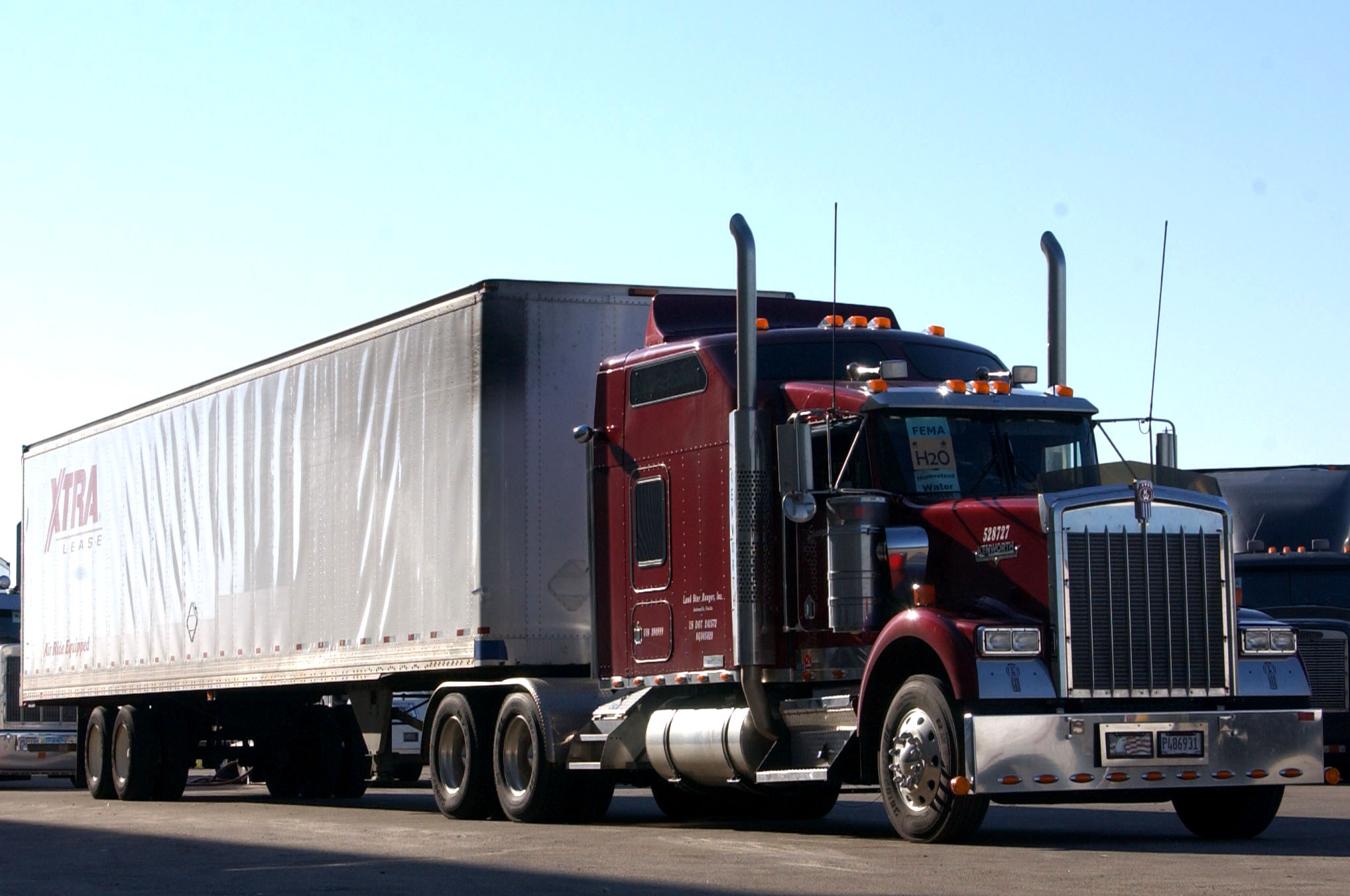
If you operate a heavy vehicle with a gross weight of 55,000 pounds or more on public highways, you’re required by the IRS to file Form 2290 and pay the Heavy Vehicle Use Tax annually. This tax helps fund the maintenance and repair of the nation’s highway system, ensuring the roads that commercial vehicles rely on remain safe and functional.
The HVUT tax year runs from July 1 through June 30, and most truck owners file their annual Form 2290 during the initial filing period, which ends August 31. But what happens if you buy a new truck or place a vehicle into service partway through the year, say, in November or March? That’s where pro-rated HVUT filing comes into play.
What is Pro-Rated HVUT Filing?
Pro-rated HVUT filing refers to the process of calculating and filing the Heavy Vehicle Use Tax (Form 2290) for a vehicle that was put into service after the start of the current HVUT tax year, which begins on July 1 and ends on June 30 of the following year.
Instead of paying the full year’s tax, you’re only responsible for the portion of the tax year during which the vehicle is actually used. The IRS calculates this based on the month the vehicle is first used on public highways, not the date of purchase or delivery. For example, if you purchase a truck in December but don’t operate it until January, January is considered your First Use Month, and that’s when your tax liability begins.
IRS Rule on First Use Month
The IRS requires Form 2290 to be filed by the end of the month following the vehicle’s first use. This means that if your truck is first used in January, your pro-rated Form 2290 is due by February 29 (or 28 in non-leap years). Filing late can result in penalties, interest charges, and delays in obtaining your IRS-stamped Schedule 1, which is required to register your vehicle with the DMV or renew your tags.
Why Pro-Rated Filing Matters
Timely pro-rated HVUT filing is crucial for:
- Staying IRS compliant
- Avoiding late filing penalties and interest
- Ensuring your vehicle can be registered or remain legally on the road
- Preventing costly delays in operations, especially for new or leased vehicles
Whether you’re an independent owner-operator or managing a growing fleet, understanding and acting on your pro-rated tax obligation is an essential part of running a compliant and efficient trucking operation.
When Is Pro-Rated HVUT Required?
You are required to file a pro-rated Form 2290 any time a taxable vehicle is first put into service after the start of the current HVUT tax year, which begins on July 1. Instead of paying the full year’s tax, the IRS allows you to pay only for the months the vehicle is actually used on public highways, starting from its first use month.
Here are the most common situations that require pro-rated HVUT filing:
Buying a New Truck Mid-Tax Year
If you purchase a new truck after July, for example, in October, and begin using it on the road that same month, you must file a pro-rated Form 2290 by the end of November (the month following first use). The tax will only apply from October through the end of the tax year (June 30), not the full 12 months.
Adding a Truck to Your Fleet
Fleets often grow throughout the year as business expands or contracts. If you acquire and begin using a new or used vehicle after July, even if you already filed Form 2290 for other trucks, you are still required to file a separate pro-rated return for any additional vehicle(s) put into service mid-year.
Bringing a Truck Out of Storage
If you have a vehicle that was previously suspended, stored, or not in use and you decide to place it back on the road, it becomes taxable again. You’ll need to file a pro-rated 2290 return based on the month it returns to active use. Even if the vehicle was filed as “suspended” earlier in the year, you must now pay HVUT for the months it will be used going forward.
It’s NOT Based on the Purchase Date
A common mistake is assuming the tax is due based on when the vehicle was purchased or delivered. However, the IRS bases HVUT liability strictly on the first use month, the first month the truck is operated on public highways, regardless of when it was bought. This distinction is critical for compliance and avoiding unnecessary penalties or overpayment.
By recognizing these scenarios and understanding the IRS’s first use month rule, you can ensure that you’re filing your HVUT accurately and on time, keeping your trucks on the road without disruption.

Step-by-Step: How to File a Pro-Rated HVUT Return
Filing a pro-rated HVUT return with ExpressTruckTax is simple, fast, and IRS-compliant. Whether you’re adding a new vehicle to your fleet or putting a truck into service mid-year, follow these steps to ensure a smooth filing process and receive your IRS-stamped Schedule 1 in minutes.
Step 1: Log In or Create an ExpressTruckTax Account
Visit ExpressTruckTax.com and either log in to your existing account or create a free account if you’re a new user. The platform is available via desktop and mobile app, giving you flexibility to file from anywhere.
Step 2: Start a New Return and Select “Pro-Rated 2290”
Once logged in, click “Start New Return” and choose Form 2290 for the appropriate tax year. You’ll then select the “Pro-Rated Filing” option for a new vehicle first used after July.
Step 3: Enter Filing Details
You’ll be prompted to enter:
- First Use Month: This is the first month your vehicle operated on public highways, not the purchase or delivery date. The IRS uses this date to determine how much HVUT you owe.
- Vehicle Details:
- VIN – Double-check for accuracy to avoid rejections.
- Taxable Gross Weight – Select the correct weight category. This determines your tax amount.
- Logging Status – Indicate if the vehicle is used for agricultural purposes or not.
- Business Information:
- EIN – Required by the IRS; SSNs are not accepted.
- Business name, address, and contact details.
ExpressTruckTax offers free VIN validation to help you avoid common filing errors.
Step 4: Choose Your IRS Payment Method
Select your preferred IRS tax payment method from the following options:
- EFTPS – Schedule payment directly through IRS.gov.
- Electronic Funds Withdrawal – Securely debit from your bank account during filing.
- Credit/Debit Card – Pay via IRS-approved processors.
- Check or Money Order – Mail payment to the IRS using payment voucher (Form 2290-V).
Pro tip: If using EFTPS, be sure to schedule your payment at least one day before the IRS deadline to ensure it posts on time.
Step 5: Review and Transmit
Before submitting, review your return using ExpressTruckTax’s built-in error check system, which catches common mistakes like:
- Incorrect VINs
- Invalid EINs
- Mismatched first use dates
Once everything is verified, click “Transmit to IRS.”
Step 6: Receive Your IRS-Stamped Schedule 1 Instantly
After transmission, you’ll typically receive your IRS-stamped Schedule 1 within minutes, directly in your ExpressTruckTax account and by email. You can also opt to receive it via fax or text message.
This Schedule 1 is your official proof of payment and is required for:
- DMV vehicle registration
- Tag renewals
- Lease agreements
- DOT compliance checks
By filing with ExpressTruckTax, you avoid paperwork headaches and get the peace of mind that your return is accurate, timely, and fully IRS-compliant. Plus, our U.S.-based bilingual support team is here to help you every step of the way.
Benefits of Filing with ExpressTruckTax
When it comes to filing your pro-rated HVUT or full-year Form 2290, choosing the right IRS-authorized provider makes all the difference. ExpressTruckTax has been the trusted leader in HVUT e-filing since 2010, helping over 5 million truckers stay compliant and on the road. Here’s why thousands of owner-operators, fleet managers, and tax professionals choose ExpressTruckTax:
Instant IRS-Stamped Schedule 1 for DMV Use
Time is money in the trucking industry. With ExpressTruckTax, your return is transmitted directly to the IRS, and in most cases, you’ll receive your official IRS-stamped Schedule 1 within minutes. This document is required to:
- Register your vehicle with the DMV
- Renew your tags or apportioned plates
- Prove compliance during audits or inspections
You can access your Schedule 1 instantly via email, download it from your account, or have it faxed or texted to you on the spot.
Built-In HVUT Calculator
Not sure how much tax you owe for a new vehicle filed mid-year? No problem. ExpressTruckTax features an automated HVUT calculator that:
- Determines your pro-rated tax amount based on first use month
- Applies the correct rate based on gross weight and logging status
- Eliminates manual calculations and guesswork
This helps ensure accuracy and compliance, reducing the risk of IRS rejections or penalties.
Free VIN Corrections
Entered the wrong VIN by mistake? It happens, especially with 17-digit codes. If you originally filed with ExpressTruckTax and your return is accepted, you can file a VIN correction at no cost. This means:
- No additional IRS penalties
- No delays in getting an updated Schedule 1
- A smoother process for registrations or renewals
US-Based, Bilingual Customer Support
When you have questions, you deserve to speak to a real person who understands the trucking industry. ExpressTruckTax offers:
- Live, bilingual (English & Spanish) support
- Based in Rock Hill, South Carolina, not outsourced overseas
- Available via phone, email, and live chat
Whether you’re filing for one truck or managing a fleet of 500, our friendly team is here to help every step of the way.

Mobile App Filing On the Go
You don’t need to be at a desk to file your Form 2290. ExpressTruckTax offers a powerful mobile app that lets you:
- File from your phone or tablet
- Receive push notifications about IRS status
- Store and download Schedule 1 anytime, anywhere
- Complete VIN corrections or amendments on the go
Perfect for owner-operators and fleet drivers who spend most of their time on the road.
With ExpressTruckTax, you get more than just a filing tool, you get a full-service solution designed specifically for the trucking industry. Fast, secure, and backed by real people who care about your success.