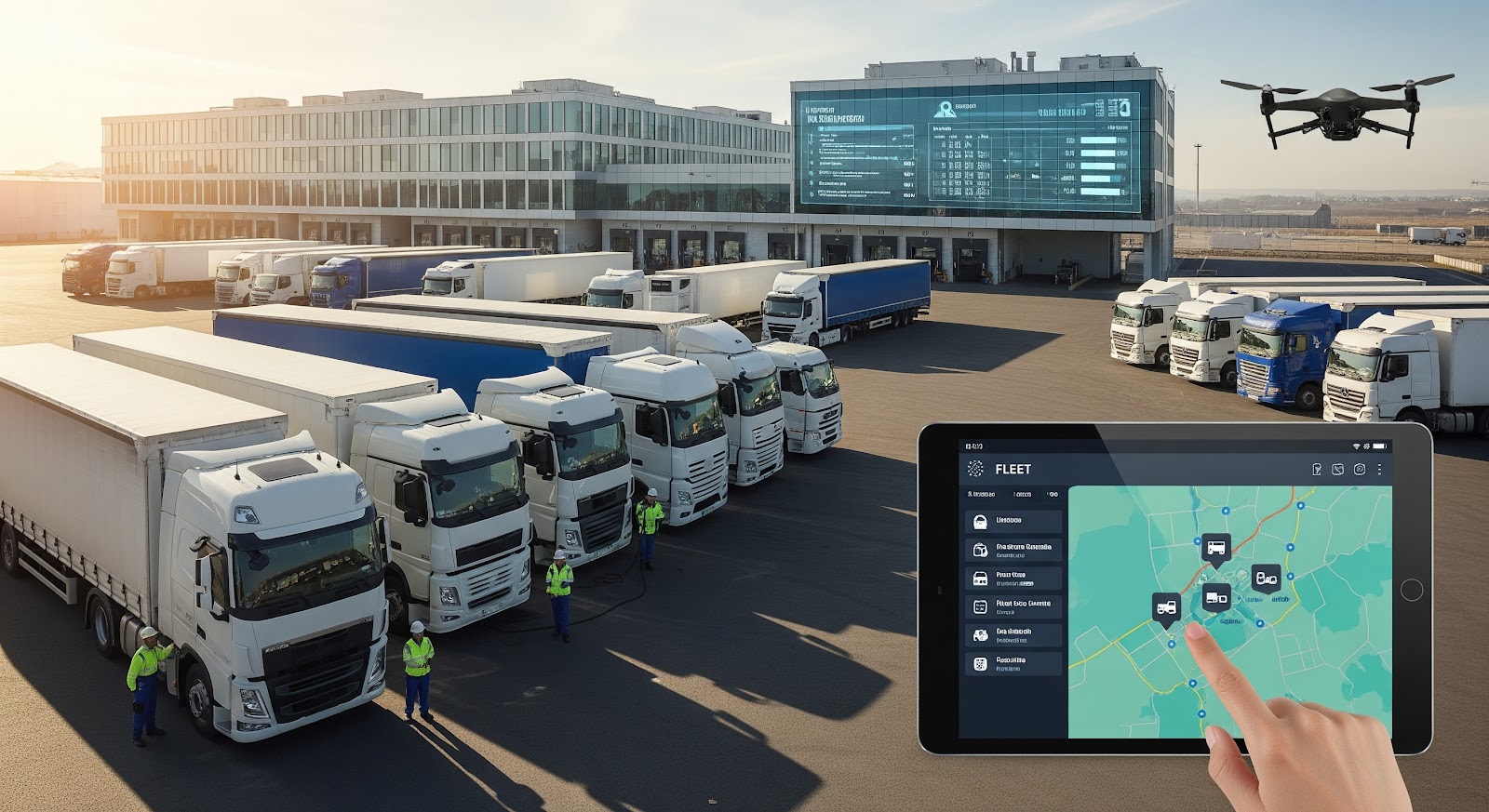
Category: Fleet Management

Essential Soft Skills for Successful Fleet Management

Successful Fleet Management

Traditionally, fleet management focused on optimizing routes, monitoring vehicle maintenance, and ensuring regulatory compliance. However, with the rise of advanced telematics, real-time tracking, and data-driven fleet management solutions, the role of the fleet manager has become significantly more complex and multifaceted.

Today’s fleet management manager is expected to do more than manage vehicles; they must lead people, make quick decisions under pressure, communicate across departments, and adapt to rapidly changing circumstances. 

This shift has made soft skills just as critical as technical expertise for those overseeing fleets. While technology can streamline processes, it’s the human ability to lead, motivate, and solve problems that ultimately drives effective fleet management.

Why Soft Skills Are Crucial in Fleet Management

Yet, even the most advanced systems still rely on drivers, dispatchers, technicians and managers to execute daily operations, make judgment calls, and adapt to changing conditions. This is where soft skills play a critical role in elevating performance and ensuring sustainable success.

The Human Factor in Fleet Operations

While hardware and software power the logistics behind fleet management, it’s people who interpret the data, respond to emergencies, and collaborate to meet business goals. Every delayed delivery, equipment issue, or miscommunication affects real lives and bottom lines. Fleet managers are at the center of this web, making human interaction a constant part of their role.

Whether it’s coaching drivers on safety practices or managing conflict between departments, the ability to lead with empathy and clarity is just as important as knowing how to operate a fleet tracking dashboard. Without strong interpersonal skills, even the best-laid plans can fall apart due to poor morale, miscommunication, or lack of accountability.

Complementing Technology with Communication and Leadership

Modern fleet management solutions have transformed how businesses monitor vehicle health, optimize fuel usage, and track productivity. However, these tools don’t function in isolation. Fleet managers must know how to communicate insights from fleet management analysis in a way that resonates with team members who may not be data-driven by nature.

Soft skills such as communication, persuasion, and active listening help bridge the gap between data and action. For example, when telematics software indicates a pattern of harsh braking, it takes emotional intelligence and coaching ability to address this with drivers in a constructive way that encourages improvement rather than defensiveness.

Enhancing Team Dynamics and Compliance

Fleet operations depend on multiple departments working together, often under tight deadlines. A breakdown in collaboration can result in missed deliveries, regulatory penalties, or even safety risks. Soft skills like teamwork, conflict resolution, and adaptability strengthen interdepartmental communication and improve overall coordination.

They’re also vital for maintaining compliance. Regulatory changes and documentation requirements can overwhelm teams, especially when not communicated clearly. A fleet manager with strong communication skills can ensure everyone stays informed, understands their role, and follows proper procedures, reducing the risk of violations or costly delays.

Impact on Driver Satisfaction and Customer Experience

The way a fleet manager interacts with drivers and staff directly influences retention and performance. Drivers who feel heard and respected are more likely to stay with a company, follow policies, and perform their duties with care. This directly affects customer satisfaction, as happy and engaged employees are more likely to represent the brand positively.

A well-rounded fleet management manager doesn’t just track vehicles; they cultivate a workplace culture where accountability, respect, and shared goals thrive. This people-first approach results in more responsive service, better safety records, and a stronger reputation for reliability.

Leadership and Decision-Making in Fleet Management Analysis

Fleet managers today are not only tasked with overseeing vehicles and logistics, but they are also leaders responsible for guiding teams, interpreting operational data, and making timely decisions that keep fleets safe, compliant, and profitable. Strong leadership paired with sound decision-making skills enables fleet managers to navigate uncertainty, motivate employees, and respond effectively to challenges on the road and in the office.

Translating Data Into Strategic Action

Modern fleet operations rely heavily on fleet management analysis, which involves interpreting data from telematics systems, maintenance reports, fuel usage logs, driver behavior metrics, and more. However, data by itself does not create value. It takes leadership to extract meaningful insights and transform them into strategic actions that improve performance.

Fleet managers must:

  • Prioritize what data matters most for specific objectives (e.g., safety, efficiency, compliance)
  • Communicate findings in a way that resonates with non-technical team members
  • Set clear performance benchmarks and goals based on historical trends
  • Balance short-term fixes with long-term operational improvements

For example, a spike in idling time may point to inefficiencies in routing or driver habits. A strong leader uses this insight to coach drivers, adjust dispatch strategies, or invest in idle-reduction tools rather than simply issuing warnings or relying on blanket policies.

Leading Under Pressure: Crises and Operational Setbacks

Fleet management often involves responding to high-stakes, time-sensitive situations such as vehicle breakdowns, traffic incidents, weather delays, or compliance violations. In these moments, leadership is tested, and decisions must be made quickly and confidently.

Effective fleet leaders remain calm under pressure and:

  • Assess the situation using available data and team input
  • Delegate responsibilities clearly to avoid confusion
  • Communicate updates promptly to all relevant parties
  • Weigh risks and choose the best course of action with minimal disruption

The ability to stay composed and lead decisively during a crisis not only keeps operations moving but also earns trust from drivers, dispatchers, and upper management. A crisis may be unavoidable, but poor leadership can turn a manageable issue into a costly disaster.

Balancing Decisiveness with Flexibility

Being decisive is critical, but so is knowing when to adapt. Fleet environments are dynamic, and what works today might not be ideal tomorrow. Strong decision-makers balance logic with intuition, using data as a foundation while staying open to feedback and changing circumstances.

Some practical decision-making habits include:

  • Reviewing past outcomes to inform future actions
  • Encouraging team input when appropriate
  • Avoiding over-analysis when quick action is needed
  • Evaluating the human impact of operational decisions

For instance, reducing driver hours to cut costs might appear efficient on paper, but could lead to burnout or increased turnover. A good leader recognizes this and seeks alternatives that protect both the business and the workforce.

Leadership as a Competitive Advantage

In an industry where vehicles and systems may be similar across companies, leadership becomes a key differentiator. Fleet managers who lead with confidence, clarity, and empathy create stronger teams, improve operational reliability, and drive long-term success. Their ability to harness the power of fleet management analysis and pair it with people-first leadership makes them indispensable in today’s competitive logistics landscape.

Emotional Intelligence and the Fleet Management Manager

Technical systems and data play a significant role in fleet performance, but it is emotional intelligence that determines how well a manager can lead people through challenges, transitions, and day-to-day interactions. Emotional intelligence (EQ) is the ability to recognize, understand, and manage one’s own emotions and those of others. In a demanding and fast-moving industry like fleet management, this skill is essential for managing stress, resolving interpersonal issues, and fostering a motivated, resilient workforce.

Managing Stress, Morale, and Interpersonal Dynamics

Fleet managers often operate in high-pressure environments, where deadlines are tight, drivers are dispersed, and issues can arise without warning. Maintaining personal composure while also supporting team morale requires a strong sense of emotional control and awareness.

A manager with high emotional intelligence can:

  • Recognize early signs of burnout or stress among drivers
  • Respond to tension with calm and empathy, rather than frustration
  • Maintain a positive tone, even during peak operational periods
  • Encourage open dialogue when issues surface

When managers respond with emotional awareness instead of reactivity, it sets a professional tone and encourages others to follow suit. This reduces workplace conflict and keeps the team focused during challenging times.

The Role of Empathy in Driver Retention and Satisfaction

Driver shortages and high turnover continue to challenge the transportation industry. While pay and route stability matter, many drivers leave because they feel unappreciated or unheard. Empathy, understanding, and acknowledging what others are experiencing are among the most powerful tools a fleet management manager can use to improve retention and satisfaction.

Empathetic leaders:

  • Take time to listen to drivers’ concerns about schedules, safety, or work-life balance
  • Follow up on feedback with visible actions or adjustments
  • Show appreciation for drivers’ efforts and milestones
  • Consider the human impact of business decisions

When drivers feel that their experiences and concerns are valued, they are more likely to remain loyal, perform at a higher level, and act as ambassadors for the company’s culture and brand. In this way, empathy supports both operations and long-term staffing success.

Adapting Management Style to Different Personalities

Every team is made up of individuals with unique personalities, communication styles, and motivations. What motivates one driver might frustrate another. Emotional intelligence helps fleet managers tailor their leadership approach to suit different team members, rather than relying on a one-size-fits-all method.

Adaptable managers are able to:

  • Identify different personality types and work preferences
  • Adjust feedback methods (e.g., direct vs. diplomatic) to suit the individual
  • Balance firmness with flexibility when enforcing policies
  • Create space for both introverted and outspoken team members to thrive

This adaptability leads to more effective coaching, stronger relationships, and better overall team performance. When employees feel understood, they are more likely to engage, cooperate, and take ownership of their responsibilities.

Emotional Intelligence as a Day-to-Day Management Skill

Unlike a training certification or technical tool, emotional intelligence is not a one-time achievement. It is practiced daily on phone calls, in meetings, during debriefs, and even in casual conversations with team members.

Fleet managers who invest in developing their emotional intelligence find it easier to:

  • De-escalate tense interactions
  • Build trust across departments
  • Communicate transparently about challenges
  • Promote a culture of accountability without fear

By prioritizing emotional intelligence, fleet managers not only improve individual relationships but also strengthen the organization’s ability to handle stress, change, and growth.

Soft Skills and the Adoption of Fleet Management Solutions

Fleet management technology continues to evolve at a rapid pace, offering businesses powerful tools for monitoring vehicles, tracking performance, improving safety, and ensuring compliance. Yet, no matter how advanced a system may be, its effectiveness depends on the people who use it. That is why soft skills are essential for successful adoption and long-term integration of any fleet management solution.

Fleet managers must do more than implement new systems; they must guide their teams through change, gain buy-in, and ensure that tools are used to their full potential. This requires strong communication, empathy, patience, and leadership.

How Strong Soft Skills Drive Tech Adoption and Team Buy-In

Introducing new technology into any workplace can lead to resistance. Drivers, dispatchers, and staff may be hesitant to change habits, skeptical of monitoring systems, or unsure about how the changes will affect their roles.

Fleet managers who possess the right soft skills can ease this transition by:

  • Communicating the purpose and benefits of the solution clearly
  • Addressing employee concerns without judgment
  • Encouraging feedback and adapting rollout plans accordingly
  • Motivating the team to see the solution as a support system, not a surveillance tool

For example, when rolling out a new GPS-based telematics platform, a skilled manager does not simply issue a memo and expect compliance. They take the time to host walkthroughs, answer questions, and highlight how the technology will make routes safer and reduce stress for drivers. That kind of thoughtful leadership ensures a smoother transition and stronger user engagement.

Bridging the Gap Between Systems and People

Technology is only as useful as the behavior it supports. Fleet management solutions generate valuable data on fuel use, driver behavior, maintenance alerts, and more, but people must interpret and apply that data in practical ways.

This is where the fleet manager becomes a bridge between systems and people. To be effective in this role, they need:

  • The ability to translate complex data into clear, actionable insights
  • Emotional intelligence to deliver feedback constructively
  • Persuasive communication to drive behavior change
  • Patience to work through the learning curve of new tools

For instance, if the data reveals consistent speeding by a group of drivers, a technically minded manager may see only a policy violation. A manager with well-developed soft skills, however, will explore the context, speak with the drivers, and work collaboratively on a solution that improves safety without creating resentment.

This human-centered approach ensures that the tools support better outcomes, rather than creating friction within the team.

Communication and Training Strategies for Successful Onboarding

Adopting new fleet technology is not a one-time event. It is a process that requires consistent communication and effective training. Fleet managers play a central role in onboarding both the systems and the people who will use them.

Here are key strategies that rely on soft skills for successful onboarding:

1. Set Expectations Early

Before rollout, explain what the technology is, why it is being introduced, and how it will help both the business and the employees. Transparency builds trust and reduces resistance.

2. Tailor the Training Approach

Recognize that people learn differently. Some may prefer visual demonstrations, while others need step-by-step guides or one-on-one support. A flexible, empathetic training approach ensures no one is left behind.

3. Foster Open Dialogue

Create a feedback loop during onboarding. Encourage team members to share challenges, ask questions, and suggest improvements. This not only improves adoption but also makes employees feel respected and involved.

4. Reinforce and Recognize

After implementation, continue to reinforce usage through ongoing coaching and check-ins. Publicly recognize individuals or teams who are embracing the change and using the system effectively. Positive reinforcement can go a long way toward building momentum.

5. Lead by Example

If a manager is visibly engaged with the system, logging in regularly, referencing data in meetings, and using the tools as intended, the rest of the team is more likely to follow.

Soft skills transform the onboarding process from a tech upgrade into a culture shift, where people feel empowered, informed, and involved. In the long run, this not only improves the performance of the fleet management solution but also strengthens team cohesion and trust in leadership.

Fleet leaders are encouraged to assess their own soft skills regularly and seek opportunities to develop them through training, mentorship, and intentional practice. Building these competencies not only improves performance but also strengthens the workplace culture, making it more resilient, responsive, and successful over time.

Ready to support your fleet management journey with reliable tools and services? Explore how ExpressTruckTax can simplify your compliance and e-filing needs today.

Fleet Management Cost Analysis: Strategies to Optimize Truck Routes and Lower Expenses

Calculator used for fleet management cost analysis with truck and financial graphs

Fleet management cost analysis is the process of evaluating and breaking down the various expenses associated with operating a fleet from fuel and maintenance to labor, route efficiency, and vehicle utilization. By closely analyzing these components, fleet managers gain valuable insights into where resources are being overused, underutilized, or misallocated.

The need for cost analysis is growing as fleet costs continue to rise. Industry-wide, businesses are facing increased fuel prices, driver shortages, vehicle maintenance delays, and stricter regulatory requirements. These challenges make it more difficult to maintain profit margins, especially for small to mid-sized trucking companies that operate on lean budgets.

That’s why more fleet managers are turning to data-driven strategies like route optimization to take control of their expenses. By strategically planning and adjusting truck routes, companies can reduce fleet expenses, improve delivery timelines, and minimize fuel usage, all while maintaining service quality. 

This article examines key strategies for conducting effective fleet management cost analysis and implementing practical changes that reduce costs and enhance overall operational efficiency.

What is Fleet Management Cost Analysis?

Fleet management cost analysis goes beyond simply tracking expenses; it’s about understanding the true cost of operating a fleet and using that data to drive smarter decisions. A comprehensive analysis provides the foundation for identifying inefficiencies, setting realistic cost-saving goals, and implementing actionable strategies to optimize operations.

Key Components of Fleet Costs

To perform effective cost analysis, it’s essential to understand the primary cost categories that impact your fleet’s bottom line:

  • Fuel: Often the largest single operating cost. Inefficient routes, idling, and poor driving habits can drastically increase consumption.
  • Maintenance and Repairs: Includes both scheduled maintenance and unexpected breakdowns. Delayed maintenance can lead to costly repairs and vehicle downtime.
  • Labor Costs: Driver wages, overtime, benefits, and administrative costs associated with dispatch and support staff.
  • Tolls and Compliance Fees: Vary by route and region, but can add up quickly if not factored into trip planning.
  • Vehicle Downtime: Lost revenue and increased expenses when vehicles are out of service, whether due to breakdowns or inefficient scheduling.
  • Insurance and Depreciation: While fixed, these costs still impact long-term profitability and must be accounted for in any cost analysis.

Each of these components contributes to the total cost per mile or cost per vehicle two metrics that are essential for comparing performance over time or across your fleet.

Why Ongoing Cost Analysis is Crucial

Fleet operations are dynamic. Fuel prices fluctuate, routes change, new regulations arise, and equipment ages. A one-time analysis won’t give you the insights needed to stay competitive. Ongoing cost analysis allows fleet managers to:

  • Respond quickly to rising costs or inefficiencies
  • Track progress on cost-reduction initiatives
  • Benchmark performance across vehicles, drivers, or locations
  • Forecast budgets more accurately

By making cost analysis a regular part of fleet operations, managers can adjust strategies before small issues become major expenses.

Supporting Smart Goals for Fleet Managers

Effective cost analysis also supports the creation of smart goals for fleet managers objectives that are Specific, Measurable, Achievable, Relevant, and Time-bound. For example:

  • Specific: Reduce fuel costs by improving route efficiency.
  • Measurable: Lower fuel spend by 10% in Q4.
  • Achievable: Use GPS and telematics data to identify better routes.
  • Relevant: Directly tied to reducing overall fleet costs.
  • Time-bound: Achieve results within a three-month period.

With accurate cost data, fleet managers can set goals that are not only realistic but also impactful, guiding better decision-making and aligning teams around clear, measurable outcomes.

Common Contributors to High Fleet Costs

Understanding what drives up fleet costs is the first step in reducing them. While some expenses are unavoidable, many operational inefficiencies go unnoticed until they significantly impact your bottom line. Below are some of the most common cost drivers that fleet managers should monitor closely.

Inefficient Routing and Unnecessary Mileage

Poorly planned routes are one of the most direct causes of inflated operational costs. When trucks travel longer distances than necessary or get stuck in traffic-heavy areas, fuel usage increases and delivery times suffer. Even minor inefficiencies like overlapping routes or missed opportunities for load consolidation can add up quickly when multiplied across an entire fleet.

Implementing route optimization software and real-time traffic monitoring can help ensure every mile driven is necessary and efficient. This not only reduces fuel consumption but also lowers wear and tear on vehicles and improves driver productivity.

Vehicle Idling and Underutilization

Excessive idling is a silent profit killer. It wastes fuel, contributes to engine wear, and can skew performance metrics. Many fleets lose thousands of dollars annually simply because engines are left running when vehicles are stationary.

Underutilized vehicles those that are not regularly dispatched or carry less-than-optimal loads also drive up costs by taking up space, requiring maintenance, and depreciating in value without generating sufficient revenue.

To address this, fleet managers should:

  • Monitor idle time with telematics systems
  • Set and enforce idling policies
  • Review vehicle usage reports regularly
  • Rotate vehicles to balance wear and extend asset life

Lack of Data Tracking or Outdated Systems

Running a modern fleet without modern tools can severely limit operational efficiency. Relying on paper logs, manual reporting, or outdated spreadsheets often leads to errors, delays, and missed cost-saving opportunities.

Without real-time data, fleet managers may struggle to:

  • Identify high-cost routes or vehicles
  • Spot trends in fuel consumption or maintenance needs
  • Respond proactively to compliance issues

Adopting a fleet management system that centralizes data and provides reporting tools is essential for conducting timely and accurate cost analyses.

Poor Maintenance Planning and Increased Downtime

Reactive maintenance, or fixing things only when they break, is one of the most expensive ways to manage a fleet. It results in unexpected vehicle downtime, missed deliveries, emergency repair costs, and sometimes even regulatory fines.

In contrast, preventive maintenance helps reduce long-term expenses by extending the vehicle’s life and catching problems before they escalate. Without a structured maintenance plan, fleets are more vulnerable to costly disruptions.

Fleet managers should:

  • Use digital maintenance schedules to track service intervals
  • Automate reminders for inspections and oil changes
  • Analyze repair trends to plan ahead for major service needs

Route Optimization as a Cost-Cutting Strategy

As fleet operating costs continue to climb, route optimization has emerged as one of the most effective ways to cut unnecessary spending. By strategically planning the most efficient paths for deliveries, pickups, and vehicle movement, fleet managers can significantly reduce expenses while improving service quality.

Benefits of Optimized Truck Routing

Route optimization doesn’t just trim miles off the map it drives measurable improvements across multiple cost areas. The following are key financial and operational benefits:

Reduced Fuel Consumption

Fuel is often the largest variable expense in fleet operations. Taking longer or congested routes, even by a small margin, can result in thousands of dollars in excess fuel costs annually. Optimized routing ensures that every trip is planned with fuel efficiency in mind reducing idling, avoiding traffic-heavy areas, and eliminating backtracking.

Shorter Delivery Times

When routes are planned with precision, drivers spend less time navigating inefficient paths and more time completing deliveries. This leads to improved customer satisfaction and more completed jobs per shift. Over time, faster routes also help reduce wear and tear on vehicles, which contributes to lower maintenance expenses.

Fewer Overtime Hours

Poor routing often leads to longer drive times and unpredictable delays, resulting in costly overtime. With optimized routes, drivers complete their work within scheduled hours more consistently, helping reduce labor costs and avoid burnout from overextended shifts.

Tools and Technologies That Support Route Optimization

Fleet managers have more tools than ever before to help refine their routes and control costs. The right technology enables easier adaptation to real-world conditions in real-time, leveraging historical data to inform smarter decisions over time.

GPS Tracking

GPS tracking provides real-time location data, helping dispatchers monitor vehicle positions and adjust routes based on traffic, road closures, or delivery urgency. This technology also helps verify driver activity and ensures that planned routes are being followed.

Route Planning Software

Advanced route planning platforms use algorithms to determine the most efficient order of stops, taking into account variables like traffic conditions, delivery time windows, fuel stops, and vehicle capacity. Many tools also offer route simulations, allowing managers to forecast potential savings before changes are implemented.

Telematics

Telematics systems collect data on vehicle performance, driver behavior, fuel usage, and trip history. By analyzing this information, fleet managers can identify inefficiencies, such as unnecessary detours or frequent stops, and adjust routing strategies accordingly. Telematics also integrates with maintenance schedules to ensure vehicles remain road-ready.

Smart Goals for Fleet Managers: Setting the Right Objectives

Establishing clear, measurable goals is essential for turning fleet cost analysis into actionable results. Without defined objectives, even the most detailed reports and data insights can fall flat. That’s where SMART goals Specific, Measurable, Achievable, Relevant, and Time-bound come into play.

Examples of SMART Goals for Fleet Managers

SMART goals help fleet managers translate data into real-world improvements. These goals should directly address cost-saving opportunities uncovered through analysis and should be easy to track over time.

Here are a few examples:

  • Specific: Decrease idle time across the fleet.
  • Measurable: Cut idle time by 20% by the end of Q2.
  • Achievable: Use telematics to monitor idle time and train drivers accordingly.
  • Relevant: Aligns with the goal of reducing fuel waste and improving efficiency.
  • Time-bound: Implement changes and measure results within 90 days.

Other SMART goal examples include:

  • Reduce total fuel costs by 10% over the next six months by optimizing routes and enforcing idling policies.
  • Improve on-time delivery rates by 15% by Q1 through better route planning and GPS tracking.
  • Lower maintenance-related downtime by 8% this fiscal year using a preventative maintenance schedule.

Aligning Cost Analysis with Operational Benchmarks

Once goals are set, they need to be supported by meaningful benchmarks. These benchmarks help you track progress and compare performance across time, vehicles, or locations. Without them, it’s difficult to know whether cost-cutting strategies are truly effective.

Operational benchmarks to guide SMART goals may include:

  • Average fuel cost per vehicle per month
  • Average delivery completion time
  • Number of maintenance incidents per 10,000 miles
  • Driver compliance rates with assigned routes and schedules

Aligning these data points with your fleet management cost analysis allows you to fine-tune your approach and pivot quickly when goals aren’t being met.

Monitoring KPIs that Impact Fleet Expenses

Key performance indicators (KPIs) give you the tools to monitor whether your goals are on track. These metrics should be reviewed consistently weekly, monthly, or quarterly to help you stay agile in decision-making.

Important KPIs include:

  • Cost per mile: Tracks how much it costs to operate each vehicle per mile driven, factoring in fuel, labor, maintenance, and other overhead.
  • Fuel efficiency (MPG): Highlights trends in driver behavior, vehicle health, and route planning efficiency.
  • On-time delivery rate: Measures how well your routing and dispatch systems are performing.
  • Idle time per driver or vehicle: Offers insight into fuel waste and potential mechanical strain.
  • Maintenance cost per vehicle: Helps forecast future costs and identify equipment that may be underperforming.

When these KPIs are monitored in tandem with smart goal-setting and cost analysis, fleet managers are well-positioned to make data-driven decisions that lower expenses and improve operational performance.

Practical Tips to Reduce Truck Fleet Costs

While technology and analytics provide the foundation for cost control, real-world strategies and day-to-day practices are just as essential. Fleet managers can take several proactive steps to reduce truck fleet costs and boost overall efficiency.

Analyze and Adjust Routes Frequently

Route optimization should never be a one-time setup. Traffic patterns, fuel prices, customer delivery windows, and weather conditions are constantly changing so your routing should, too.

By regularly reviewing and adjusting routes based on:

  • Traffic congestion and construction updates
  • Fuel station locations with the best pricing
  • Delivery time windows and customer preferences

you can reduce unnecessary mileage, improve delivery reliability, and cut fuel waste. Frequent route analysis also helps avoid repeated inefficiencies and ensures your fleet is adapting to current conditions.

Implement Preventative Maintenance Schedules

Waiting for a breakdown before taking a truck into the shop can be one of the most expensive mistakes in fleet operations. Emergency repairs typically cost more, extend downtime, and disrupt schedules.

A preventative maintenance program allows you to:

  • Address minor issues before they become major failures
  • Extend vehicle lifespan
  • Improve fuel efficiency through regular tune-ups

Set up automated reminders for oil changes, inspections, tire rotations, and brake checks. Digital maintenance logs can help you track trends and forecast service needs.

Train Drivers on Fuel-Efficient Driving Habits

Driver behavior has a direct and often underestimated impact on fleet costs. Simple changes in how vehicles are operated can lead to measurable savings in fuel and maintenance.

Areas to focus on during training include:

  • Reducing excessive idling
  • Avoiding aggressive acceleration and braking
  • Maintaining steady speeds on highways
  • Using cruise control and gear optimization where applicable

Incentivizing drivers with performance bonuses tied to fuel efficiency and safety metrics can reinforce good habits and build a more cost-conscious culture.

Review and Renegotiate Supplier and Fuel Contracts

As your fleet grows or your routes change, it’s important to revisit the agreements you have with fuel providers, maintenance vendors, and parts suppliers.

Regularly reviewing these contracts allows you to:

  • Negotiate bulk discounts or loyalty rewards
  • Identify better regional suppliers based on route geography
  • Ensure terms still align with your current operational volume

Don’t hesitate to shop around loyalty is valuable, but so is cost savings.

Use Data from Cost Analysis to Eliminate Inefficiencies

Fleet management cost analysis is only as effective as the action it inspires. With access to accurate cost data, you can pinpoint the exact sources of inefficiency within your operations.

Examples of data-driven decisions include:

  • Retiring high-maintenance vehicles that exceed their cost-per-mile threshold
  • Consolidating routes with low delivery density
  • Adjusting dispatch strategies to better match load demand

Use reports and KPIs to guide your next steps, validate your strategies, and demonstrate cost improvements to stakeholders. Making decisions based on real data, not assumptions, is one of the most powerful ways to reduce fleet expenses over time.

Case Example: How Route Optimization Cut Fleet Costs for a Regional Carrier

To illustrate the real-world impact of fleet management cost analysis and route optimization, let’s consider a fictional but highly realistic scenario involving a mid-sized regional trucking company.

Background: Rising Costs and Operational Gaps

Silverline Logistics, a regional carrier operating 85 trucks across five states in the Midwest, was experiencing a steady increase in fuel costs and overtime pay. Their cost-per-mile had risen by 12% over the past two quarters, largely due to inefficient dispatching, overlapping delivery zones, and lack of real-time traffic data.

Despite having capable drivers and quality equipment, the fleet manager lacked visibility into daily route performance and was relying on outdated planning methods based on static maps and spreadsheets.

The Approach: Implementing Route Optimization

After conducting a fleet management cost analysis, the company identified route inefficiencies as a major cost driver. They decided to invest in an integrated route planning and telematics system that could:

  • Analyze historical trip data
  • Provide real-time traffic and weather updates
  • Automate route assignments based on delivery time windows and vehicle capacity
  • Track driver compliance with assigned routes

They also retrained dispatchers and drivers on the new system and integrated the platform with their maintenance scheduling tool to anticipate service needs based on mileage.

The Results: Measurable Cost Reductions

Within the first 90 days, the company saw significant improvements:

  • Fuel costs dropped by 14%, thanks to shorter routes and reduced idling
  • On-time delivery rate increased from 84% to 95%
  • Driver overtime hours were cut in half, reducing payroll expenses by $6,000 per month
  • Maintenance issues declined, as smoother routing led to less wear and tear on equipment

The company also discovered that three of their older trucks were consistently underperforming and consuming more fuel. Based on their cost-per-mile data, they replaced them with newer, more efficient models further boosting fuel economy.

Lessons Learned

Silverline Logistics’ case highlights a few key takeaways:

  • Data-driven routing decisions make a measurable impact on fuel, labor, and maintenance costs
  • Technology adoption pays for itself quickly when aligned with specific cost-reduction goals
  • Ongoing analysis is necessary to ensure continued performance improvements and cost control

This example echoes the real successes many fleet operators are achieving today by applying modern route optimization tools in combination with a proactive cost analysis strategy.

Frequently Asked Questions (FAQ)

What is fleet management cost analysis?

Fleet management cost analysis is the process of evaluating all operational expenses associated with managing a fleet, such as fuel, maintenance, labor, route efficiency, and vehicle utilization, to identify inefficiencies and areas for cost savings.

Why is cost analysis important for fleet operations?

Without ongoing cost analysis, fleet managers risk overspending, underutilizing resources, and missing opportunities to streamline operations. Analyzing costs allows for data-driven decisions that improve efficiency and reduce unnecessary expenses.

How does route optimization reduce fleet costs?

Route optimization helps fleets save money by reducing mileage, fuel consumption, idle time, and overtime. By selecting the most efficient paths for deliveries and pickups, companies improve delivery times and minimize wear and tear on vehicles.

What are the main KPIs to track in fleet cost analysis?

Key performance indicators (KPIs) that help monitor fleet efficiency include:

  • Cost per mile
  • Fuel efficiency (MPG)
  • On-time delivery rate
  • Vehicle downtime
  • Idle time
  • Maintenance cost per vehicle

How often should fleet cost analysis be done?

Ideally, fleet cost analysis should be conducted monthly or quarterly, depending on the size of your operation. This allows managers to stay proactive and make timely adjustments before small issues escalate into costly problems.

Can small fleets benefit from cost analysis and optimization?

Absolutely. While large fleets may see a bigger total dollar savings, small and mid-sized fleets often see a higher percentage reduction in costs by implementing even basic strategies like preventative maintenance, fuel monitoring, and route planning.

What tools help with cost analysis and optimization?

Helpful tools include:

  • GPS tracking systems
  • Telematics software
  • Route planning and dispatch platforms
  • Fleet management systems that track fuel, maintenance, and driver behavior

How can ExpressTruckTax support my fleet management goals?

While ExpressTruckTax specializes in helping carriers file Form 2290, VIN corrections, and 2290 amendments, the platform also helps streamline your compliance process. With that burden off your plate, you can focus on more strategic aspects of your operation, like cost control and optimization.

How to Manage a Fleet of Trucks Efficiently: A Complete Guide

How to Manage a Fleet of Trucks

Managing a fleet of trucks is far more than keeping vehicles on the road — it’s a dynamic balance of operations, compliance, costs, and people. Whether you’re an owner-operator with a small fleet or a logistics manager overseeing hundreds of vehicles, efficient fleet management is critical to keeping your business profitable, compliant, and competitive.

Importance of Efficient Fleet Management

Efficient fleet management directly impacts your bottom line and reputation. When trucks are well-maintained, routes are optimized, and drivers are supported, your fleet operates with fewer delays, reduced costs, and minimal downtime. Here’s why it matters:

  • Cost Control: Optimized fleet operations reduce fuel expenses, maintenance costs, and IRS penalties from late filings.
  • Safety & Compliance: Ensures vehicles meet DOT and IRS requirements, reducing the risk of accidents, violations, or audits.
  • Customer Satisfaction: Timely deliveries and professional service help retain clients and attract new business.
  • Sustainability: Efficient use of resources means less fuel waste and lower emissions.
  • Scalability: An efficient system makes it easier to grow your fleet without losing operational control.

Challenges in Managing Multiple Trucks

Fleet management becomes increasingly complex as you add more vehicles. Some of the most common challenges include:

  • Maintenance Coordination: Tracking routine service and repairs across dozens (or hundreds) of trucks can lead to oversights and breakdowns if not properly managed.
  • Driver Oversight: Hiring, training, and retaining reliable drivers while ensuring compliance with hours-of-service (HOS) rules is a constant task.
  • Regulatory Compliance: Staying up-to-date with HVUT (Form 2290), DOT audits, IFTA reporting, and safety inspections can be overwhelming without a system in place.
  • Data Overload: Managing mileage logs, fuel receipts, VINs, insurance info, and tax documents manually increases the risk of costly errors.
  • Communication Gaps: Poor coordination between dispatchers, drivers, and administrators can result in missed deadlines and low driver morale.

This guide will walk you through best practices, tools, and strategies to overcome these challenges and manage a fleet of trucks efficiently — whether you’re running a small business or a growing enterprise.

Understanding Fleet Management Basics

Fleet management involves the administration, coordination, and monitoring of commercial vehicles used by a business. In the trucking industry, this includes overseeing:

  • Vehicle acquisition, maintenance, and retirement
  • Driver recruitment, training, and scheduling
  • Compliance with state and federal transportation regulations (like Form 2290 for HVUT)
  • Route planning and fuel tracking
  • Managing insurance, safety, and performance metrics

Effective fleet management ensures that all trucks are operating legally, efficiently, and reliably — with the right resources in the right place at the right time.

Core Components of Fleet Management

Managing a fleet requires attention to several critical areas:

Vehicle Maintenance

  • Routine inspections, oil changes, tire checks, and brake servicing
  • Preventative maintenance to reduce unplanned repairs or breakdowns
  • Maintenance scheduling tools and logs to ensure DOT compliance

Regulatory Compliance

  • Filing Form 2290 for Heavy Vehicle Use Tax (HVUT)
  • Ensuring all vehicles are registered with valid VINs and EINs
  • Meeting FMCSA requirements for driver hours, safety inspections, and insurance
  • Keeping documentation like IRS-stamped Schedule 1s up-to-date for DMV registration

Cost Control

  • Monitoring fuel usage and reducing idle time
  • Managing tolls, maintenance costs, and insurance premiums
  • Leveraging technology to detect inefficiencies and eliminate waste

Driver Management

  • Hiring qualified CDL drivers and ensuring proper training
  • Monitoring driver behavior through telematics (speeding, harsh braking, etc.)
  • Promoting safety, retention, and morale through consistent communication and support

Key Goals of Fleet Management

A well-run fleet management system is designed to achieve four major goals:

1. Safety

  • Protecting your drivers, vehicles, cargo, and the public by enforcing safety policies and maintaining reliable equipment.

2. Efficiency

  • Minimizing downtime, maximizing mileage, and ensuring vehicles are routed and maintained strategically.

3. Profitability

  • Reducing operating costs through better planning, fuel management, and timely tax filings to avoid penalties.

4. Compliance

  • Staying aligned with IRS, DOT, FMCSA, and state regulations to avoid fines, audits, or disruptions in operations.

By mastering these basics, fleet managers can lay a strong foundation for operational success. The rest of this guide will show you how to put these principles into action with practical tools and proven strategies.

Building a Fleet Management Strategy

Building a Fleet Management Strategy

An efficient fleet doesn’t run on guesswork—it runs on a clear, actionable strategy. Building a strong fleet management strategy means identifying your business goals, setting measurable standards, and putting systems in place that support safety, reliability, and profitability. This section outlines how to define your operational objectives and establish a Standard Operating Procedure (SOP) to ensure your fleet runs smoothly and consistently.

A. Define Your Operational Goals

Every trucking operation is different, but successful fleets typically share a few common priorities. Start by identifying which goals are most important to your business and tailor your fleet management practices around them.

Cost Reduction

Keeping operational costs under control is essential to staying competitive. Consider strategies such as:

  • Optimizing fuel usage with route planning and idle time tracking
  • Scheduling preventative maintenance to avoid costly repairs
  • Filing tax forms like Form 2290 on time to avoid IRS penalties
  • Leveraging bulk upload and prepaid credit features from platforms like ExpressTruckTax to save time and money

Delivery Timelines

Reliability is key in the logistics world. Delays can mean lost business or contract penalties. Improve your on-time performance by:

  • Using GPS tracking for live route management
  • Minimizing breakdowns with regular vehicle checks
  • Improving dispatch and communication processes with real-time updates to drivers and customers

Regulatory Compliance

Fleet operations are governed by numerous regulations from the IRS, DOT, FMCSA, and more. Stay compliant by:

  • E-filing Form 2290 annually and maintaining IRS-stamped Schedule 1s for DMV renewals
  • Keeping accurate VINs and EINs on file
  • Monitoring Hours of Service (HOS) using electronic logging devices (ELDs)
  • Staying ahead of IFTA and state-specific rules

Sustainability

Many fleets are also focusing on environmental impact. Sustainable practices not only reduce emissions but can also improve public image and cut fuel costs. Strategies include:

  • Reducing empty miles and fuel waste through better route planning
  • Maintaining proper tire pressure and engine performance
  • Exploring fuel-efficient or alternative-fuel vehicles where feasible

B. Create a Standard Operating Procedure (SOP)

Once your goals are set, formalize them through a Standard Operating Procedure (SOP). An SOP acts as your playbook—keeping your team aligned, reducing miscommunication, and ensuring accountability across your fleet.

Routine Checks

  • Establish pre-trip and post-trip inspection routines for all vehicles
  • Include tire pressure, lights, fluids, brakes, and visible wear/damage
  • Train drivers to log issues and report defects immediately

Maintenance Schedules

  • Develop a maintenance calendar that includes oil changes, tune-ups, and compliance inspections
  • Use fleet management software to automate reminders
  • Track service history and costs to identify trends and reduce downtime

Driver Protocols

  • Set clear expectations around safe driving behavior, logbook updates, and communication procedures
  • Include training guidelines, accident protocols, and delivery standards
  • Monitor driver performance with GPS and telematics, and use metrics to offer feedback and incentives

Emergency Response Plans

  • Outline step-by-step procedures for vehicle breakdowns, accidents, weather delays, and medical emergencies
  • Provide emergency contact lists and roadside assistance info in each truck
  • Train drivers on how to document incidents, secure cargo, and communicate with dispatch

With clear goals and a solid SOP in place, your fleet will be well-positioned for consistent performance, regulatory compliance, and long-term growth. In the next section, we’ll dive deeper into vehicle maintenance and inspections—the foundation of a safe and reliable fleet.

Vehicle Maintenance

Vehicle Maintenance & Inspection

Vehicle maintenance and inspection are the foundation of safe, reliable fleet operations. Poorly maintained trucks not only lead to costly repairs and breakdowns but also pose serious safety risks and can result in failed inspections, fines, and lost revenue. A strong maintenance plan ensures that your fleet stays on the road, performs efficiently, and meets all regulatory requirements.

Importance of Preventative Maintenance

Preventative maintenance is all about fixing issues before they become problems. Instead of waiting for a breakdown, fleet managers should schedule regular inspections and services that keep each truck in peak condition.

Benefits of preventative maintenance include:

  • Reduced Downtime: Scheduled maintenance is far less disruptive than emergency repairs.
  • Improved Safety: Reduces the risk of brake failure, tire blowouts, and engine malfunctions.
  • Lower Costs: Prevents small issues (like fluid leaks or worn belts) from turning into major, expensive repairs.
  • Compliance: Helps ensure your vehicles pass roadside inspections and remain DOT compliant.

Routine maintenance should include oil and fluid changes, brake and tire inspections, battery checks, lights, HVAC systems, and engine diagnostics.

Using Digital Logs and Scheduling Tools

Gone are the days of relying on paper inspection forms and manual calendars. Today’s fleets can take advantage of digital tools to streamline maintenance tracking:

  • Fleet Management Software: Automatically logs maintenance history, tracks repair costs, and alerts you when service is due.
  • Mobile Apps: Allow drivers to submit inspection reports in real-time, including photos or notes for mechanics.
  • Telematics Systems: Monitor engine diagnostics, tire pressure, and mileage data to trigger alerts for upcoming service.

Digitizing your maintenance process reduces errors, increases visibility, and creates a reliable record for audits or internal reviews.

FMCSA Inspection Requirements

To stay compliant with federal law, all commercial motor vehicles must meet the Federal Motor Carrier Safety Administration (FMCSA) standards. These include:

  • Annual DOT Inspections: Every vehicle over 10,000 lbs must pass a full inspection annually by a qualified mechanic.
  • Driver Vehicle Inspection Reports (DVIRs): Drivers are required to complete pre-trip and post-trip inspections daily.
  • Recordkeeping: Maintenance and inspection records must be kept for at least 12 months (or 14 months for annual inspections).

Failing to comply with these regulations can result in out-of-service violations, fines, or even disqualification from operating.

Partnering with Trusted Service Centers

Choosing the right service provider is key to keeping your fleet in top shape. Look for:

  • Experienced Technicians: Providers familiar with heavy-duty vehicles and FMCSA regulations.
  • Fast Turnaround: Minimize downtime with prompt, efficient service.
  • Fleet Maintenance Programs: Many shops offer contracts or volume discounts for recurring service.
  • Mobile Repair Services: Great for on-the-road emergencies or in-yard repairs.

Building long-term relationships with trusted service centers also ensures consistent quality and better pricing over time.

How ExpressTruckTax Helps with VIN Validation and Corrections

Vehicle Identification Numbers (VINs) are essential for maintenance tracking, tax filing, and vehicle registration. A single typo in a VIN can delay IRS filings, cause rejections, and prevent DMV registration.

ExpressTruckTax offers powerful tools to prevent and correct VIN errors:

  • Free VIN Checker: Verifies that each VIN is valid and correctly formatted before you file.
  • VIN Correction Filing: If you originally filed your Form 2290 with ExpressTruckTax and made a VIN mistake, you can file a VIN correction for free.
  • Bulk Upload with Smart Checks: If managing a large fleet, you can upload vehicle data in bulk with built-in validation to avoid costly copy-paste errors.
  • DMV Integration: Ensures your corrected and validated Schedule 1 is accepted for truck registration.

These features help maintain accurate records, reduce IRS rejections, and ensure your vehicle documentation aligns with maintenance and inspection logs.

With proactive maintenance, the right digital tools, and trusted service partners, your fleet can avoid costly setbacks and stay road-ready.

Compliance with IRS and DOT Regulations

Staying compliant with federal and state regulations is non-negotiable in the trucking industry. Non-compliance can result in heavy fines, vehicle impoundments, delayed registrations, and even the suspension of business operations. To manage your fleet efficiently, you must be fully aware of the legal requirements from agencies like the IRS, DOT, FMCSA, and state tax authorities—and have reliable systems in place to meet them.

Overview of Key Regulations

Fleet managers need to navigate a complex web of regulatory requirements, including:

DOT (Department of Transportation)

  • Sets vehicle safety standards, driver qualifications, and operating procedures.
  • Requires routine inspections, maintenance logs, and up-to-date licenses and medical certificates for drivers.

FMCSA (Federal Motor Carrier Safety Administration)

  • Oversees Hours of Service (HOS), Electronic Logging Devices (ELDs), and driver safety ratings.
  • Manages the Compliance, Safety, Accountability (CSA) scoring system that affects your fleet’s safety profile.

IFTA (International Fuel Tax Agreement)

  • Requires multi-state carriers to track fuel purchases and mileage in each jurisdiction.
  • Reports must be filed quarterly, and errors can lead to audits or additional tax liability.

HVUT (Heavy Vehicle Use Tax)

  • Mandated by the IRS for vehicles with a gross weight of 55,000 lbs or more.
  • Must be filed annually using Form 2290, and proof of payment (Schedule 1) is required for registration with most state DMVs.

Filing Form 2290 for HVUT with ExpressTruckTax

One of the most important IRS requirements for fleet owners is filing Form 2290 to report and pay Heavy Vehicle Use Tax.

ExpressTruckTax makes this process fast, accurate, and IRS-compliant:

  • Step-by-step e-filing: Easily file for one vehicle or thousands with guided instructions.
  • Instant IRS-stamped Schedule 1: Get your proof of payment via email, mobile app, or fax within minutes.
  • Bulk upload tools: File up to 40,000 vehicles at once using templates with built-in error checks.
  • VIN Corrections & Amendments: Make free corrections or submit weight/mileage amendments anytime.
  • Ready Return Feature: Automatically reuses last year’s data for quicker filing.
  • Multiple payment options: Choose EFTPS, direct debit, credit/debit card, or check/money order.

Filing on time through ExpressTruckTax helps you avoid costly IRS penalties and ensures uninterrupted registration with the DMV.

Maintaining Up-to-Date Records

Accurate, well-organized records are critical not just for audits—but also for tax filings, maintenance planning, and fleet expansion. Key records include:

  • EIN (Employer Identification Number): Required for IRS filings; SSNs are not accepted.
  • VIN (Vehicle Identification Numbers): Must be accurate for each vehicle on your Form 2290 and in your inspection logs.
  • Mileage Logs: Track mileage for HVUT purposes (especially for suspended vehicles), IFTA reporting, and maintenance planning.
  • Fuel Receipts and Route Data: Required for IFTA and tax deductions.
  • Inspection and Maintenance Records: Must be stored for DOT compliance and CSA audits.

ExpressTruckTax helps by securely storing your IRS records and offering tools to validate VINs and prevent data entry errors.

Avoiding Penalties Through Timely Filings and Audits

Late filings or inaccurate data can lead to serious consequences:

  • IRS Penalties: Late Form 2290 filings may incur penalties of up to 4.5% of the total tax due, plus interest.
  • DOT Fines: Missing or falsifying logs and inspection records can result in violations during roadside inspections.
  • IFTA Audits: Inconsistent mileage or fuel data can lead to retroactive tax bills and interest charges.
  • DMV Registration Delays: Without a valid IRS-stamped Schedule 1, you won’t be able to register or renew your vehicles.

Avoid these issues by:

  • Setting calendar reminders for HVUT, IFTA, and DOT deadlines.
  • Using fleet management software or platforms like ExpressTruckTax that send filing notifications and audit alerts.
  • Establishing an internal audit process to regularly check for missing, expired, or inaccurate documentation.

Proper compliance isn’t just about avoiding penalties—it builds trust with clients, protects your drivers, and sets the foundation for a professional, growth-ready fleet.

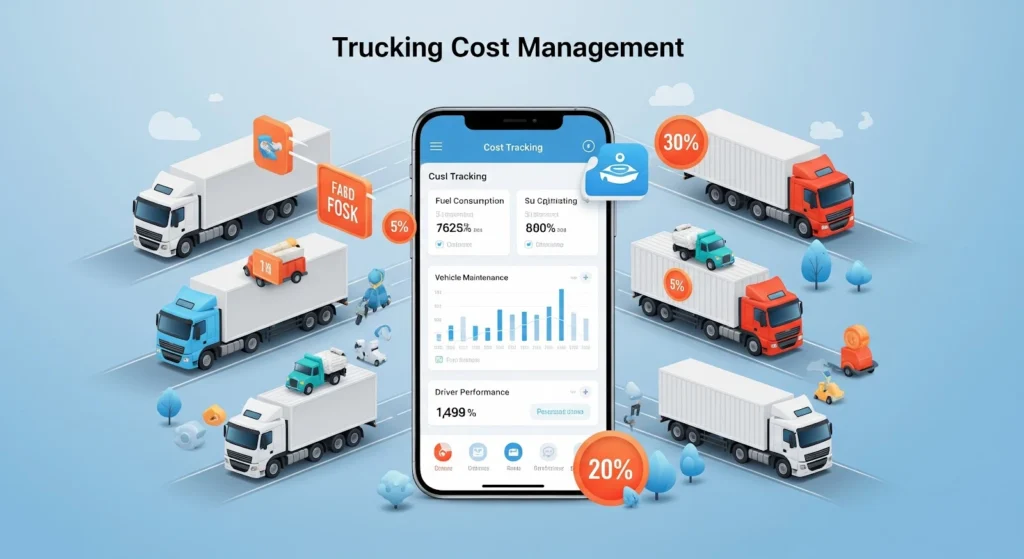
Truck Cost Management

Fuel & Cost Management

Fuel is one of the largest and most volatile expenses for any fleet. Combined with costs like tolls, maintenance, insurance, and unexpected repairs, effective cost management is essential to running a profitable trucking operation. Implementing a smart fuel and expense strategy allows fleet managers to control spending, forecast budgets more accurately, and boost overall efficiency.

Fuel Card Programs

Fuel cards are a powerful tool for controlling and tracking fuel expenses across your fleet. Unlike credit cards, fuel cards are designed specifically for trucking operations and come with built-in controls and benefits:

Key Benefits of Fuel Card Programs:

  • Discounted Rates: Access to nationwide fuel discounts at partner stations.
  • Spending Controls: Set limits by dollar amount, gallons, time of day, or location to prevent misuse.
  • Real-Time Tracking: Monitor transactions as they occur and flag unusual activity.
  • Simplified IFTA Reporting: Many cards track fuel purchases and tax data by state, helping with quarterly IFTA filings.

Popular programs include Comdata, EFS, and Fleet One, among others. Choose a card that aligns with your routes and fuel station preferences.

Route Planning to Reduce Fuel Consumption

Efficient routing can significantly cut down on fuel usage, vehicle wear, and delivery delays. Route planning tools use real-time data to calculate the most efficient paths, avoiding traffic congestion, road closures, and steep gradients.

Strategies for Fuel-Efficient Routing:

  • Use GPS and Telematics: Tools like Omnitracs, Motive, or Samsara offer advanced routing and tracking features.
  • Minimize Empty Miles: Use load boards and dispatch tools to plan return loads and avoid fuel-wasting deadhead trips.
  • Avoid High-Fuel Zones: Plan routes that bypass areas with consistently high diesel prices.
  • Time Deliveries Strategically: Avoid peak hours to reduce idling in traffic.

Monitoring Idle Time and Engine Diagnostics

Unnecessary engine idling is a major source of wasted fuel—and it also contributes to engine wear and emissions. Using telematics and diagnostics tools can help monitor and reduce idle time across your fleet.

Benefits of Monitoring Engine Activity:

  • Reduce Fuel Waste: Cutting down idle time can save hundreds of gallons per vehicle annually.
  • Identify Mechanical Issues Early: Engine diagnostics tools catch warning signs before they lead to major breakdowns.
  • Improve Driver Behavior: Track excessive idling, hard braking, or aggressive acceleration to coach drivers on efficient habits.
  • Maintain Emissions Compliance: Reducing engine strain also helps meet EPA and state emissions standards.

Telematics systems can integrate with your fleet management software to provide real-time alerts and historical reporting.

Managing Tolls, Repairs, and Insurance

Fuel isn’t the only variable cost you need to track. Tolls, repairs, and insurance premiums can add up quickly—and vary widely depending on how your fleet is operated.

Toll Management:

  • Use Transponders: Devices like EZ Pass, PrePass, or Bestpass streamline toll collection and reduce administrative time.
  • Review Toll Routes: Regularly evaluate routes for toll alternatives or discounts.
  • Audit Monthly Statements: Look for duplicate or incorrect charges.

Repair Management:

  • Preventative Maintenance: Catching small issues early reduces the risk of high-cost breakdowns.
  • Track Repair Histories: Identify recurring issues and assess whether certain vehicles are becoming cost-inefficient.
  • Use Approved Vendors: Partnering with trusted service centers ensures quality work and may result in volume discounts.

Insurance Cost Control:

  • Bundle Policies: Consolidating coverage under one provider can reduce premiums.
  • Evaluate Risk Scores: Insurance costs are often tied to CSA scores and driver safety history—investing in training and safety improves your rates.
  • Compare Annually: Shop around each year to ensure your policy remains competitive.

By managing fuel, routes, idle time, and variable expenses with precision, you can drastically reduce operational costs and increase your fleet’s profitability. Up next, we’ll explore how to maintain your fleet’s records and documentation—a key to staying organized and compliant.

Common Mistakes to Avoid

Even experienced fleet managers can fall into costly traps that impact efficiency, compliance, and profitability. By recognizing and avoiding these common mistakes, you can keep your fleet running smoothly and avoid preventable setbacks. Below are five critical missteps to watch out for—and how to stay ahead of them.

1. Ignoring Preventative Maintenance

One of the biggest and most expensive mistakes in fleet management is neglecting routine maintenance. Waiting until something breaks to take action leads to:

  • Increased downtime from unplanned repairs
  • Higher costs for emergency service and replacement parts
  • Safety hazards, putting drivers and the public at risk
  • Failed DOT inspections, resulting in fines or out-of-service violations

Solution: Establish a preventative maintenance schedule with digital reminders, detailed inspection logs, and a trusted repair network. This not only extends the life of your vehicles but also ensures regulatory compliance and operational reliability.

2. Delayed IRS Filings

Missing deadlines for IRS filings—especially Form 2290 for Heavy Vehicle Use Tax (HVUT)—can lead to:

  • Late penalties of up to 4.5% of the total tax due, plus monthly interest
  • Delays in DMV registration or renewal, which can keep vehicles off the road
  • IRS audits, especially if prior year filings show inconsistencies

Solution: Use tools like ExpressTruckTax to file accurately and on time. With features like filing reminders, bulk uploads, auto-filled Ready Returns, and instant Schedule 1 access, you can eliminate the risk of late filings.

3. Poor Communication with Drivers

Drivers are the backbone of any trucking operation. Poor communication leads to:

  • Missed or delayed deliveries
  • Frustration and turnover among drivers
  • Safety and compliance risks, including incomplete logs or unreported maintenance issues

Solution: Foster a culture of communication by:

  • Using mobile apps or fleet management systems for real-time updates
  • Encouraging daily check-ins and feedback loops
  • Providing clear SOPs and expectations for reporting vehicle issues, delivery delays, or changes in route

4. Not Using Tech Tools Effectively

Technology is essential for managing modern fleets, yet many businesses underutilize or ignore the tools available. The consequences include:

  • Disorganized data and lost records
  • Manual errors in tax filings, logs, or maintenance tracking
  • Wasted time from paper-based systems or outdated processes

Solution: Invest in and fully utilize technology such as:

  • Fleet management software for scheduling, compliance, and maintenance
  • GPS and telematics systems for tracking routes, fuel use, and driver behavior
  • ExpressTruckTax for easy e-filing and recordkeeping of IRS documents like Schedule 1 and Form 2290

Training your team to use these tools ensures you get the full value of your investment.

5. Mismanaging Fuel Costs

Fuel is one of your largest controllable expenses. Without a clear strategy, it’s easy to overspend due to:

  • Inefficient routes
  • Unmonitored idling
  • Untracked purchases or unauthorized fueling
  • Failure to leverage discounts or fuel cards

Solution: Build a fuel cost management plan that includes:

  • Route optimization using telematics and GPS software
  • Monitoring idle time and engine diagnostics
  • Issuing and managing fuel cards with spending controls and real-time tracking
  • Analyzing fuel data regularly to identify trends or problem areas

By steering clear of these common pitfalls, fleet managers can drastically improve operations, reduce costs, and maintain a safer, more compliant fleet.

How to File Your Trucker 2018 1099-Misc for the IRS Deadline

Make Sure Your Trucking Business is Tax Compliant!

Only Hours Left to File!

Tomorrow, January 31st is the deadline for your IRS Form 1099, IRS Form W-2, and IRS Form 940 or 941! As a trucking business owner, you have to make sure your employee, contractor, and subcontractor tax forms are filed by the deadline.

We understand that filing your employee and contractor forms can be confusing during tax season. Which is why ExpressTruckTax has parented its sister product, Taxbandits to provide you with all the tools you’ll need to file by tomorrow night’s deadline!

Before we jump into it let’s review some tax filing basics.

The Fleet Management Guide to the 2018 1099-Misc Form, W-2, & More

Knowing which tax forms you are required to file and how to submit them on time is important for you as a business owner, your employees, subcontractors, and anyone else you paid during the previous tax season. However, depending on the circumstances, they may each need different or even multiple forms to file.

Let’s take a look at the basic forms and when you’ll need them:

IRS Form W-2 is for reporting your full employees’ wages and other compensation.

IRS Form 1099-MISC is for reporting payments made to freelance drivers, leased owner-operators, or other contracted workers in your trucking fleet. Don’t forget, this also applies to any subcontractors in your fleet as well.

IRS Form 941 is for reporting employment taxes for those who own and operate a business with employees, including adjustments for tips, sick pay, and any overpayment or underpayments made during the tax season. Like your IFTA report, IRS Form 941 is a quarterly Federal Tax Return and must be filed accordingly.

IRS Form 940 is an annual federal tax report form used for documenting and paying unemployment taxes. The form calculates the employer’s federal unemployment tax liability, adjusts for any state unemployment taxes paid, and calculates any due unemployment taxes from there. IRS Form 940 also compares unemployment tax due for the year to the taxes already paid.

Beat the IRS Deadline with TaxBandits!

While all of this seems like a lot to take care of in such a short time, TaxBandits makes it easy!

TaxBandits takes the headache of filing business tax forms by offering a simplified e-filing solution that helps you to e-file multiple tax forms for your trucking business at once. That means you and your fleet can get back on the road and to doing to what you do best!

Don’t forget, depending on the scope and nature of your fleet, you may need to file one or more of these forms by the deadline tomorrow! Also, don’t forget to file your 4th Quarter IFTA report with your base jurisdiction!

Start Your Free Account Today!

Pay Only When You Transmit!

Trucking Subcontractors and Form 1099-MISC: What You Need to Know

W-2s and 1099 Forms ready to file for your trucking business?
It’s almost January 31st! Do you have all the

Fleet management can be a difficult task to take on alone. Many trucking companies use contractors, who can themselves hire a subcontractor. But did you know that as a trucking business owner you’ll need to file their tax forms too?

It can be easy to get swept up in the frenzy of tax season and forget to e-file 1099-MISC for your contractors and subcontractors. Luckily, TaxBandits can help you e-file your taxes on time with their quick and secure filing process. TaxBandits also features error checking, bulk data uploads, and experienced US-based customer support. They make completing your taxes a breeze whether you’re at home or on the road!

Here’s what you need to know about filing 1099-MISC Forms for your subcontractors!

Form 1099-MISC: Subcontractors

Some trucking company owners don’t realize they need to file taxes for their subcontractors. Employers must file Form 1099-MISC to report any non-employee compensation equaling $600 or more. Anyone not considered an official employee will need this form to report their miscellaneous income for the tax period.

For. And remember, you’re required to issue copies of Form 1099-MISC to your subcontractors by January 31st!

What You Need To File Form 1099 Online

With TaxBandits, it’s easier than ever to complete Form 1099-MISC no matter where you are! All you need is your business records for the tax season.

Your Information:
  • Business Name
  • Business Address
  • EIN (Employer Identification Number)
Independent Contractor Information:

  • EIN
  • Or Social Security Number
  • Address
You will also need to provide extra federal and state tax details. This includes all miscellaneous incomes you provided, the state income, payer state number, and state tax withheld.

If you don’t have your subcontractor’s information available, you can request it through a W-9 Form. Luckily, with TaxBandits the W-9 process only requires 60 seconds the subcontractor’s valid email address.


Filing Form 1099-MISC With TaxBandits

Filing your Form 1099-MISC can be a rocky experience, but TaxBandits makes it as smooth as the open road.

TaxBandits allows you to create a free account before beginning the e-filing process. The site also provides tips to explain what information you need to complete your form. You can also save time by using their bulk-upload feature.

TaxBandits can also save you from wasting time at the post office. Use their postal mailing feature to print and mail hard copies of the Form 1099-MISC to each of your subcontractors.