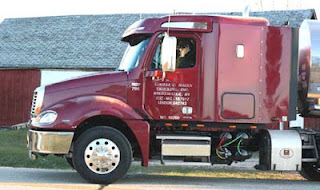
One wrong character in a 17‑character VIN can stop a truck at the counter: no accepted Schedule 1, no tag renewal, and lost time. In form 2290 filing, the VIN is the IRS’s anchor for Heavy Vehicle Use Tax, tying the tax to a specific chassis on vehicles 55,000 pounds or more. That makes accuracy non‑negotiable.
If you run a truck, manage a fleet, or handle back‑office compliance, you’ve likely felt how a tiny VIN error snowballs—confusing 1 with I or 0 with O, pasting a VIN with a hidden space, or triggering IRS rejection code R0000‑194 for a duplicate or invalid entry. These are preventable with the right checks, and fixable fast when they slip through.
This guide shows exactly how to avoid the most common VIN mistakes, validate a VIN before you submit (including check digit and model year), align it with first used month and weight, and file a precise VIN correction when needed. Next, we’ll pinpoint where VIN validation happens during the online process and what to verify before you press submit.
Why VIN Precision Is Non‑Negotiable for Fast 2290 Acceptance
A single character error in a 17-character VIN can derail your Form 2290 filing, delay your stamped Schedule 1, and stall vehicle registration. Because the IRS and DMV rely on the VIN as the exact identifier for each taxable vehicle, even small mistakes—like transposed numbers or confusing lookalike characters—trigger immediate e-file rejections, often under code R0000-194. There’s no downstream correction or “close enough” match; the VIN must align precisely with the title and registration.
Most VIN issues are preventable: mixing up O and 0, I and 1, filing under the wrong unit, duplicating submissions, or using provisional or outdated identifiers. These errors can lead to rejected returns, duplicate tax payments, refund claims, and registration holds during peak season. Getting VIN accuracy right from the start protects cash flow, avoids refiling cycles, and keeps your fleet on the road without interruption.

VIN Decoder Basics: The Fields IRS Systems Validate (and How to Check Them)
A 17-character VIN isn’t random—it follows a structured format that lets you catch most errors before filing Form 2290. Validate the key positions upfront to avoid IRS rejections and DMV registration delays. Positions 1–3 (WMI) confirm manufacturer and region; 4–8 (VDS) must be copied exactly; position 9 is the check digit that flags typos or transposed characters; position 10 identifies the model year (e.g., L=2020 through T=2026); position 11 shows assembly plant; and 12–17 are the unique serial sequence—where dropped zeros often cause failures. VINs never use I, O, or Q and must be entered in uppercase with no spaces or dashes.
Before e-filing, run a quick decoder check to confirm a valid check digit, correct model year, and matching make/model. Pay special attention to rebuilt or multi-stage units to ensure the VIN matches the current title—not an outdated identifier. If WMI, check digit, and model year align with your paperwork, you’re likely filing against the correct chassis and avoiding preventable rejection codes.
Top VIN Entry Mistakes That Cause Instant Rejections (And How to Catch Them)
Small VIN entry mistakes are the leading cause of IRS rejections during Form 2290 filing. E-file systems strictly enforce the 17-character VIN format, reject invalid characters (like I, O, and Q), and instantly flag issues such as transposed digits, hidden spaces, lowercase confusion, or lookalike swaps like O vs 0 or S vs 5—often under rejection code R0000-194. Even a single misplaced character breaks the check-digit calculation in position nine, causing a filing that “looks right” to fail immediately.
Most errors come from copy-paste artifacts, spreadsheet auto-formatting, rushed manual entry, or reading from unclear documents instead of the actual VIN plate. The fix is procedural: always source the VIN from the vehicle itself, enter it in uppercase plain text (no spaces or dashes), verify the check digit and model year with a decoder, and double-check bulk uploads for formatting corruption. These simple safeguards prevent avoidable delays and ensure your Schedule 1 matches the exact chassis you intend to register.
The Most Common VIN Character Confusions—and the Fastest Fixes
Confusing lookalike characters—such as O vs 0, I vs 1, or Z vs 2—is one of the most common reasons a Form 2290 filing gets rejected under code R0000-194. Because modern 17-character VINs never use the letters I, O, or Q, their appearance is an immediate red flag. These errors usually stem from copying VINs from handwritten notes, emails, or low-quality printouts instead of reading directly from the vehicle’s door jamb or dashboard plate.
To prevent rejections, always enter VINs in uppercase with no spaces or punctuation, and verify directly from the metal plate—not secondary documents. A quick two-person read-back or a clear photo of the VIN plate can catch ambiguous characters before submission. Eliminating these simple mix-ups keeps your Schedule 1 on track and avoids unnecessary refiling delays.

Form 2290 Electronic Filling
E-filing Form 2290 isn’t just faster—it catches VIN errors immediately. Electronic systems enforce the 17-character format, block invalid letters like I, O, and Q, and often validate the check digit and model year as you type. That real-time feedback lets you correct mistakes and resubmit within minutes, often receiving a stamped Schedule 1 the same day. Paper filing, while occasionally useful for rare non-standard VIN cases, delays error discovery and can leave you uncovering problems days later at the DMV.
For fleets, bulk uploads speed processing but require safeguards. Hidden spaces, lowercase entries, or transposed digits can slip through spreadsheets and trigger rejections. The best practice is proactive validation: read VINs from the vehicle plate, enforce uppercase 17-character formatting, strip whitespace, and confirm the check digit before submission. When issues arise, correct and refile promptly—or submit a VIN correction if already accepted. A disciplined e-file process keeps filings predictable and prevents unnecessary delays.
Hidden Workflow Errors That Derail Your VIN Filing (and How to Prevent Them)
Small VIN errors usually start in your workflow—not on the truck itself. Blurry photos, glare, or recently replaced door labels can hide character mistakes, while copy-paste from PDFs or emails often adds hidden spaces that cause 17-character validation failures. Bulk CSV uploads introduce another risk: column shifts or formatting changes can pair the wrong VIN with the wrong unit. The fix is procedural discipline—capture clear photos from multiple angles, prioritize the frame stamp and current title, paste VINs into plain text before upload, enforce 17-character uppercase formatting, and spot-check random rows against registration documents.
Outdated fleet lists and incorrect correction methods also create avoidable problems. Filing on sold units, reusing stale spreadsheets, or submitting a brand-new return instead of a VIN correction can trigger duplicate filings or error code R0000-194. Reconcile your active fleet before filing season, archive disposed units, and use the proper VIN correction workflow when needed. Locking down these quiet failure points keeps your Schedule 1 accurate and your trucks moving without delay.
Is “Close Enough” Good Enough for Your VIN? The Truth and the Fix
Many filers believe that if HVUT is paid, a small VIN typo won’t matter—but the VIN is the exact record key the IRS and DMV use to identify a specific vehicle. E-file systems validate all 17 characters, including the check digit and model year code, and even a one-character error can trigger rejection code R0000-194 or produce a Schedule 1 that doesn’t match your title. When that happens, the DMV will typically refuse registration until the VIN is corrected.
There’s no such thing as “close enough” with VINs. A transposed digit, mistyped character, or wrong unit number can require a formal VIN correction—or even a refund claim if tax was applied to the wrong vehicle. The fastest path is precision: verify directly from the plate or title, confirm the check digit before filing, and fix errors immediately. Accuracy upfront prevents delays, duplicate payments, and registration headaches later.

Building a VIN Governance System That Prevents Rejections and Delays
VIN accuracy isn’t just about typing 17 characters correctly—it’s a control point for your entire compliance operation. The VIN ties together IRS filings, DMV/IRP registration, insurance records, and roadside enforcement, so treating it like a permanent account number creates alignment across agencies. When handled casually, small errors lead to rejections, duplicate payments, and registration delays; when governed intentionally, filings become predictable and auditable each season.
The solution is simple governance. Maintain a single master VIN register tied to each unit’s EIN, weight class, and first-used month, supported by plate photos and title scans. Enforce uppercase formatting, validate the check digit and model year, require a second-person or automated review, and run a brief pre-season check before HVUT filing opens. Whether you manage one truck or hundreds, these small safeguards prevent R0000-194 rejections, protect cash flow, and keep Schedule 1 approvals moving without disruption.
Conclusion: File with Confidence, Not Corrections
You’ve seen how a single VIN digit can trigger R0000‑194, stall a stamped Schedule 1, and tie up cash with duplicate payments. If you want a clean, fast outcome in form 2290 filing, the safest path is to validate VINs in real time, align first used month and weight to what’s on the title and registration, and use a VIN correction—not a new return—if an error slips through.
ExpressTruckTax is built for that exact workflow: IRS‑authorized e‑file with instant VIN format and check‑digit checks, duplicate detection across EIN + VIN + first used month + weight, bulk uploads with data scrubbing, and guided VIN corrections and amendments—plus multiple IRS payment options and same‑day Schedule 1 delivery after acceptance. Keep your return clean and your trucks moving—File form 2290 today.
FAQs
Form 2290 & HVUT E-Filing FAQs
Q: What’s the fastest way to file Form 2290 online and get my Schedule 1 today?
A: Use an IRS-authorized e-file provider and prepare clean data before you begin. Read each VIN directly from the plate or title, confirm 17 uppercase characters with no I, O, or Q, and validate the 9th-position check digit using the NHTSA VIN Decoder. Align the first used month and taxable gross weight with the truck’s actual in-service date and registration. Clean filings are often accepted the same day, and your stamped Schedule 1 is delivered immediately after IRS acceptance.
Q: What are the best online services for filing Form 2290?
A: Choose a platform that validates VIN format and the 9th-position check digit in real time, and flags duplicate patterns based on EIN, VIN, first used month, and weight. Look for built-in VIN corrections, amendment support, and Form 8849 Schedule 6 filing, along with bulk upload tools that include data scrubbing for fleets. Multiple IRS payment options and responsive deadline support are also important. Reviews mentioning same-day acceptance with clean data are a strong indicator of reliability.
Q: How do I e-file 2290 for multiple trucks in one go?
A: Create a master VIN register tying each VIN to the correct first used month, taxable gross weight, and EIN for the current tax period. Clean your CSV file by enforcing 17 uppercase characters, removing spaces and hyphens, and rejecting I, O, and Q. Spot-check the 9th-position check digit using the NHTSA decoder. Import through your provider’s bulk upload feature and apply a duplicate rule: one VIN, one EIN, one weight, and one first used month per tax year. Complete a two-person verification on a sample set before submitting.
Q: What’s the cheapest way to file Form 2290 this year?
A: Accuracy saves the most money by avoiding rejections, rework fees, and duplicate payments. Select an e-file plan that matches your vehicle count, and use direct debit or EFTPS to avoid additional card processing fees when possible. File as suspended only if the vehicle will remain under 5,000 miles (7,500 for agricultural vehicles). Validate VINs in advance and confirm the first used month and taxable gross weight to prevent amendments and refund filings.
Q: How do I fix a wrong VIN on my 2290 and get a corrected Schedule 1?
A: If your original return was accepted, submit a VIN correction rather than filing a new return. Validate the correct VIN by confirming 17 uppercase characters, no I, O, or Q, a valid 9th-position check digit, and the correct model year code in position 10. Corrected Schedule 1 forms are typically issued the same day after IRS acceptance. If you accidentally paid twice, request a credit or refund using Form 8849 Schedule 6 with proof of both payments.
Q: How do I file a 2290 amendment online?
A: File an amendment if taxable gross weight increases, mileage exceeds the suspension limit, or the first used month needs correction. Select the amendment type, enter the VIN, and update the required details. The system will calculate any additional tax due. Validate VIN format carefully to prevent errors such as R0000-194. After IRS acceptance, you will receive an updated Schedule 1.
Q: How can I claim a refund or credit for 2290 tax I overpaid?
A: Use Form 8849 Schedule 6 to request credits or refunds for duplicate payments, vehicles sold or destroyed, or overpayments related to incorrect first used month or taxable gross weight. Attach supporting documentation, including stamped Schedule 1 forms, payment confirmations, and sale or loss documents, along with a brief written explanation. Many e-file systems provide guided steps for uploading attachments. Submit promptly once the overpayment is confirmed, as processing times vary.
Q: What do I need to file Form 2290 online?
A: You need:
- An EIN and business information
- Each vehicle’s VIN
- First used month
- Taxable gross weight
- Usage type (taxable or suspended; agricultural or non-agricultural)
- IRS payment method selection (direct debit, EFTPS, or card)
Read the VIN directly from the plate or title and confirm 17 uppercase characters with a valid check digit and model year code. Having complete and verified information allows you to file quickly and avoid corrections.
Q: How can I pay my 2290 HVUT online?
A: Payment options include direct debit from a bank account, EFTPS, or credit/debit card through an approved processor. Some filers may also use same-day wire transfers. Select your payment method during the e-file process and schedule payment by the due date. IRS acceptance and issuance of your stamped Schedule 1 depend on a valid return, not the payment method selected. Retain payment confirmations for your records.
Q: I’m filing late on 2290—what should I do to get my Schedule 1 fast?
A: E-file immediately using accurate VIN data and the correct first used month and taxable gross weight. Penalties and interest may apply if filing past the deadline. Validate each VIN using the NHTSA decoder to confirm length, allowed characters, and 9th-position check digit to avoid rejections. File as suspended only if the vehicle will remain under the mileage limit; otherwise, file as taxable. If an error is discovered after acceptance, submit a VIN correction instead of filing a duplicate return to prevent additional payments.