Category: truck maintenance

Fleet Preventative Maintenance: The Key to Lower Downtime and Higher Profit

Fleet Preventative Maintenance

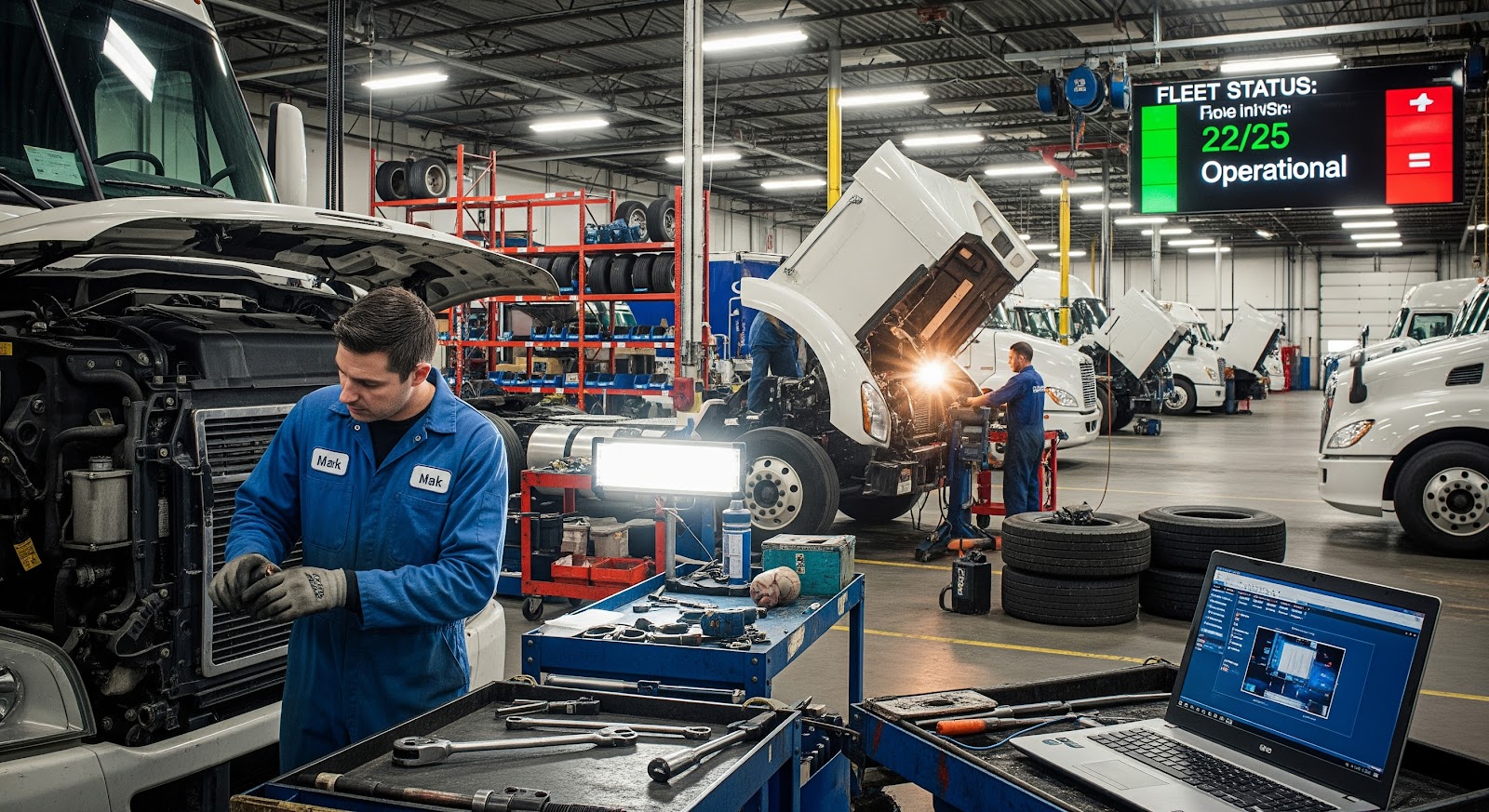
Fleet preventative maintenance (PM) refers to a proactive approach to servicing and inspecting your vehicles on a regular schedule, rather than waiting for something to go wrong. This includes routine tasks like oil changes, brake inspections, tire rotations, fluid checks, and system diagnostics to catch issues before they become major problems.

According to the American Trucking Associations (ATA), a single day of unplanned vehicle downtime can cost between $448 and $760 per truck, not including lost revenue from delayed deliveries or missed customer commitments. Multiply that by several trucks and several days, and it becomes clear: skipping or delaying routine maintenance can devastate your bottom line.

In contrast, fleets that implement consistent preventative maintenance programs report 20–30% lower repair costs and significantly higher vehicle uptime. In an industry where margins are already tight, that kind of difference can mean the survival, or failure, of a business.

What is Fleet Preventative Maintenance?

Fleet preventative maintenance (PM) is a proactive strategy that involves regular inspections, servicing, and minor repairs to keep vehicles running safely and efficiently. Rather than waiting for a component to fail and dealing with costly emergency repairs, preventative maintenance is all about addressing wear and tear before it leads to a breakdown.

This approach is vital for commercial fleets, where each vehicle represents a revenue-generating asset. When one truck is sidelined due to a mechanical failure, the entire operation can suffer, from missed delivery deadlines to penalties for non-compliance.

Key Components of Fleet Preventative Maintenance

A thorough preventative maintenance program typically includes:

  • Oil and Fluid Checks: Regularly inspecting and changing engine oil, transmission fluid, brake fluid, coolant, and other essential fluids helps prevent engine wear, overheating, and system failures. Contaminated or low fluids can lead to catastrophic engine damage if ignored.
  • Tire Inspections and Replacements: Tires are not just a safety concern, they directly impact fuel efficiency and performance. Preventative maintenance includes checking tread depth, inflation pressure, and signs of uneven wear. Worn or improperly inflated tires can lead to blowouts, reduced control, or poor mileage.
  • Brake System Evaluations: Brake pads, rotors, drums, and fluid should be inspected regularly to ensure the system is responsive and safe, especially for heavy vehicles hauling thousands of pounds. Ignoring brake issues can result in costly accidents and DOT violations.
  • Electrical and Lighting Checks: This includes headlights, brake lights, turn signals, and the vehicle’s internal electrical systems. A malfunctioning light might seem minor, but it can lead to failed roadside inspections, tickets, or even accidents.
  • Scheduled Engine Diagnostics: Using onboard diagnostics (OBD) tools or telematics, fleet managers can catch error codes and engine performance issues early. These scans help identify problems with sensors, fuel injection, emissions systems, and more, before they affect performance or trigger warning lights on the road.

Maintenance Intervals: Timing is Everything

Fleet preventative maintenance can follow several scheduling models, depending on the fleet’s size, vehicle types, and usage:

  • Mileage-Based Intervals: Maintenance tasks are scheduled after a set number of miles driven (e.g., oil change every 10,000 miles).
  • Time-Based Intervals: Certain services are performed every few months, regardless of mileage, ideal for seasonal or infrequently used vehicles.
  • Usage-Based Intervals: Leveraging telematics or engine hour data, this method schedules maintenance based on actual workload, which is particularly useful for vocational or off-road vehicles.

No matter which method is used, consistency is key. The more accurately a fleet tracks its PM schedule, the fewer surprises it will face in the long run.

How Preventative Maintenance Increases Profitability

Preventative maintenance doesn’t just protect your trucks, it protects your profit margins. For fleet owners, every unexpected breakdown or safety violation chips away at revenue and puts additional strain on operations. A well-structured preventative maintenance (PM) program turns vehicle upkeep into a strategic advantage, not just a line item on your budget.

Here’s how it directly contributes to a healthier bottom line:

1. Reduces Unplanned Repair Costs

Unexpected repairs are almost always more expensive than routine maintenance. Emergency tow fees, after-hours labor, and costly part replacements add up quickly. Worse, unplanned downtime can lead to missed deliveries and unhappy customers.

By addressing issues early, like replacing worn brake pads before they damage rotors, PM helps avoid large-scale mechanical failures and expensive repair bills. In many cases, spending $150 on a routine inspection could save you thousands in emergency repairs.

2. Extends Vehicle Lifespan (Delays Costly Replacements)

When vehicles are properly maintained, they simply last longer. Consistent oil changes, fluid checks, and engine diagnostics reduce wear and tear on critical components, allowing your trucks to remain in service for hundreds of thousands more miles.

This means you can defer major capital expenditures, like buying new trucks, by getting more productive years out of your current assets.

3. Improves Fuel Efficiency and Safety

Neglected maintenance can seriously impact fuel efficiency. For example, under-inflated tires can reduce fuel economy by 0.2% for every 1 PSI below optimal pressure. Dirty air filters, misaligned wheels, and poor lubrication also reduce fuel performance.

Additionally, well-maintained vehicles are safer on the road, reducing the risk of accidents, liability, and downtime from insurance claims or investigations.

4. Enhances Resale Value of Vehicles

A documented preventative maintenance history significantly increases the resale value of your fleet vehicles. Buyers and dealers are more likely to pay top dollar for trucks that come with proven service records, reducing your depreciation losses when upgrading or selling equipment.

5. Helps Stay Compliant with DOT/FMCSA Requirements

Preventative maintenance isn’t just good practice, it’s part of staying legally compliant. The Federal Motor Carrier Safety Administration (FMCSA) requires regular inspections and maintenance records.

Failure to maintain vehicles can result in:

  • Out-of-service orders during inspections
  • Fines and penalties
  • DOT audit issues

A proactive PM plan helps ensure your fleet passes roadside checks and avoids costly violations that could hurt your CSA score or insurance rates.

6. Supports Better Form 2290 and HVUT Management

Many fleet owners overlook how preventative maintenance ties into Form 2290 and Heavy Vehicle Use Tax (HVUT) compliance. Here’s how it helps:

  • Weight Management: PM helps prevent unexpected modifications that increase a vehicle’s taxable weight, avoiding the need to file an amended 2290 for weight increases.
  • Mileage Tracking: Proper maintenance keeps odometers and diagnostics accurate, helping ensure suspended vehicles stay within the 5,000-mile (or 7,500 for agricultural) threshold.
  • Fewer Mistakes: Organized fleets with detailed PM logs are less likely to submit incorrect VINs or vehicle categories on their filings, minimizing IRS rejections and delays.

When combined with ExpressTruckTax’s tools, like VIN correction and 2290 amendment filing, a solid PM strategy makes staying compliant and profitable that much easier.

Building an Effective Fleet Preventative Maintenance Plan

Implementing preventative maintenance across a fleet isn’t just about checking off a few items on a list, it’s about creating a repeatable system that supports long-term vehicle health, regulatory compliance, and profitability. Whether you’re managing five trucks or 500, a well-structured plan ensures nothing slips through the cracks.

Here’s how to build a preventative maintenance (PM) plan that works:

1. Set a Regular Schedule Based on OEM Recommendations and Fleet Usage

The foundation of any good PM plan is a consistent maintenance schedule. Start by consulting each vehicle’s Original Equipment Manufacturer (OEM) guidelines, which outline recommended service intervals for oil changes, tire rotations, fluid checks, and more.

Then, adjust based on your real-world fleet usage:

  • High-mileage trucks may need more frequent inspections.
  • Seasonal vehicles may need special checks before and after periods of inactivity.
  • Heavily loaded or off-road vehicles could require shorter service intervals due to added stress.

Tip: Avoid a one-size-fits-all plan, customize PM schedules for each vehicle class or use case.

2. Use a Digital PM Tracking System

Manual tracking with spreadsheets or paperwork doesn’t scale well and often leads to missed service dates. Instead, use a digital fleet maintenance platform or app to automate scheduling and recordkeeping.

Platforms like Fleetworthy or other fleet management systems offer:

  • Automated reminders for upcoming services
  • Real-time diagnostics from telematics devices
  • Centralized service history for each vehicle
  • Integration with compliance and reporting tools

Digital PM tools also help you generate audit-ready reports for DOT inspections and tax records, making the entire process more efficient and transparent.

3. Keep Detailed Service Records for Each Vehicle

Accurate and complete documentation is critical, not just for maintenance, but for compliance, resale, and audit protection. Every vehicle in your fleet should have a digital (or securely stored physical) file that includes:

  • Dates and types of service performed
  • Parts replaced
  • Odometer or engine hours at the time of service
  • Shop or technician details
  • Any inspection notes or follow-up items

These records help track trends, forecast future maintenance needs, and serve as proof of compliance during FMCSA or IRS audits.

4. Train Drivers to Report Early Signs of Issues

Your drivers are the first line of defense when it comes to vehicle health. Training them to identify and report small issues early, like warning lights, unusual noises, vibrations, or brake performance, can prevent minor problems from escalating into major breakdowns.

Include PM awareness in your onboarding and regular driver safety meetings. Provide drivers with:

  • Pre-trip and post-trip inspection checklists
  • A simple way to submit issues (via app or dispatch log)
  • Encouragement to report concerns early without fear of penalty

When drivers feel involved and empowered, your entire fleet becomes more responsive and proactive.

5. Establish Roles and Responsibilities

A strong preventative maintenance plan requires clear ownership. Everyone involved should know:

  • Who schedules maintenance appointments
  • Who performs or approves inspections
  • Who logs service records
  • Who monitors overdue maintenance alerts
  • Who ensures tax compliance for mileage or weight-related changes

If your team is small, these roles may overlap. For larger fleets, consider assigning:

  • A fleet maintenance coordinator or shop manager
  • A driver supervisor for issue escalation
  • A compliance manager to oversee inspections and tax filings

Having defined responsibilities keeps your plan running smoothly and ensures accountability at every level.By taking a systematic approach to preventative maintenance, fleet managers can improve reliability, reduce costs, and stay ahead of compliance requirements like Form 2290. The right plan doesn’t just prevent problems, it creates a smarter, stronger fleet.
Creating a Truck Maintenance Plan That Works: A Step-by-Step Guide

Truck Maintenance Plan

Keeping your truck or fleet on the road doesn’t just depend on driving skill—it starts long before the engine is turned on. Whether you’re an owner-operator managing one vehicle or a fleet manager overseeing dozens or even hundreds of trucks, an organized maintenance schedule helps avoid costly breakdowns, improve safety, and increase vehicle lifespan.

A well-structured truck maintenance plan is a core requirement for regulatory compliance. Agencies like the Department of Transportation (DOT) and Federal Motor Carrier Safety Administration (FMCSA) require commercial vehicles to be regularly inspected and maintained to meet safety standards. Failure to comply can result in fines, vehicle downtime, and even being placed out of service.

Maintenance also ties directly into Heavy Vehicle Use Tax (HVUT) compliance, specifically with IRS Form 2290. For example:

  • Tracking your truck’s gross weight and usage mileage is essential for accurate tax calculations.
  • Staying on top of inspections ensures your truck remains in the correct taxable category and helps avoid the need for 2290 amendments (like weight increases or mileage exceeded).
  • Maintaining accurate Vehicle Identification Numbers (VINs) through regular inspections can help avoid registration delays or IRS rejections.

In this guide, we’ll walk through a step-by-step approach to creating a truck maintenance plan that not only keeps your vehicles in peak condition but also helps you stay fully compliant and prepared for audits, filings, and renewals.

What Is a Truck Maintenance Plan?

A truck maintenance plan is a structured and strategic schedule designed to ensure that your truck—or entire fleet—is regularly inspected, serviced, and repaired. This plan outlines the frequency, type, and scope of maintenance activities needed to keep vehicles operating safely and efficiently. It serves as a roadmap to reduce the risk of breakdowns, avoid costly emergency repairs, and meet all regulatory compliance requirements.

Purpose of a Truck Maintenance Plan

A solid maintenance plan is more than just a to-do list—it’s a vital component of your business operations. Its core purposes include:

  • Maximizing Uptime: Avoid unexpected mechanical failures that lead to costly delays and lost revenue.
  • Improving Safety: Ensure brakes, tires, lights, and steering systems are always in safe working condition to reduce the risk of accidents.
  • Extending Vehicle Life: Regular service and part replacements help prevent wear and tear, allowing trucks to stay in service longer and perform better.
  • Staying Compliant: Meet federal and state regulations from the DOT, FMCSA, and IRS (such as Form 2290 HVUT requirements), and avoid violations during inspections or audits.

Types of Truck Maintenance

To develop an effective plan, it’s important to understand the types of maintenance that apply to commercial vehicles:

1. Preventive Maintenance

  • Definition: Scheduled servicing based on time, mileage, or hours of operation.
  • Examples: Oil changes, brake inspections, fluid top-offs, tire rotations.
  • Goal: Address issues before they cause breakdowns or lead to compliance problems.

2. Predictive Maintenance

  • Definition: Maintenance based on real-time data and vehicle condition, often powered by sensors and telematics.
  • Examples: Monitoring engine temperature or oil condition to predict when service is needed.
  • Goal: Prevent failures by acting on early warning signs using technology.

3. Corrective Maintenance

  • Definition: Repairs made after a fault or issue has already occurred.
  • Examples: Replacing a failed alternator or fixing a broken air compressor.
  • Goal: Restore the vehicle to working condition, though often more expensive and disruptive than preventive action.

4. Scheduled vs. Unscheduled Maintenance

  • Scheduled Maintenance: Tasks performed at set intervals (e.g., every 15,000 miles). These are part of your routine truck maintenance plan.
  • Unscheduled Maintenance: Unplanned repairs due to unexpected breakdowns. These typically result in higher costs and downtime.

By combining these different maintenance types into a cohesive plan, trucking businesses can create a system that anticipates issues, avoids unnecessary repairs, and ensures every truck meets operational and regulatory standards.

Step-by-Step Guide to Creating a Truck Maintenance Plan

Creating an effective truck maintenance plan doesn’t need to be complicated, but it does require structure, consistency, and attention to detail. The following step-by-step guide will help you build a plan that keeps your trucks road-ready and compliant.

Step 1: Inventory Your Fleet and Equipment

Start by compiling a complete inventory of your vehicles and any equipment that needs regular maintenance.

  • Log Key Details: Record each truck’s make, model, year, VIN (Vehicle Identification Number), current mileage, axle configuration, and load capacity.
  • Track Maintenance History: If possible, gather historical maintenance records to understand what’s already been done and identify recurring issues.
  • Include Equipment: Don’t forget to inventory trailers, refrigeration units, liftgates, and any other operational gear that requires upkeep.

A clear inventory lays the foundation for customizing service intervals and tracking ongoing maintenance needs.

Step 2: Review Manufacturer Recommendations

Refer to each vehicle’s OEM (Original Equipment Manufacturer) manual to find baseline maintenance guidelines.

  • Use OEM Service Intervals: These typically include mileage- or time-based suggestions for servicing critical components like the engine, brakes, transmission, and cooling systems.
  • List Required Inspections and Replacements: Note which parts should be inspected, replaced, or serviced routinely—such as belts, filters, fluids, and spark plugs.

Manufacturer guidelines are a great starting point for building your custom service intervals.

Step 3: Set Service Intervals

Now that you know what needs attention, determine when each service task should occur.

  • Use Multiple Schedules:
    • Daily/Pre-trip: Basic visual inspections.
    • Weekly: Fluid top-offs, tire pressure checks.
    • Monthly: Battery checks, lights, hoses.
    • Mileage-Based: Oil changes every 15,000 miles, tire rotations every 30,000 miles, air filter replacement every 45,000 miles.

Service intervals should be tailored to each truck’s usage—heavily used trucks may need more frequent maintenance.

Step 4: Develop an Inspection Checklist

Create standardized checklists to ensure thorough, consistent inspections across all vehicles.

  • Key Items to Include:
    • Safety Components: Brakes, tires, lights, mirrors, wipers.
    • Mechanical Systems: Engine, suspension, driveline.
    • Fluids & Filters: Oil, coolant, transmission, fuel, air filters.
    • Cab/Interior Checks: HVAC, electrical, seat belts, dashboard indicators.

Include both pre-trip and post-trip inspection requirements. Make sure drivers are trained to identify and report issues immediately.

Step 5: Assign Responsibilities

Clearly define who is responsible for performing, reviewing, and recording maintenance tasks.

  • Drivers: Perform daily pre and post-trip inspections, report issues.
  • Technicians/Mechanics: Conduct scheduled maintenance and repairs.
  • Supervisors/Managers: Monitor reports, ensure compliance, approve major repairs.

Training your staff ensures consistency and builds accountability into the process.

Step 6: Choose a Recordkeeping System

Accurate documentation is essential for compliance, tax filing, and performance analysis.

  • Paper Logs vs. Digital Tools: While paper can work, digital fleet maintenance software is more efficient and reliable.
  • Integration with Technology: Use systems that integrate with telematics, GPS, and ELDs (Electronic Logging Devices) for automatic tracking of mileage, engine hours, and fault codes.

ExpressTruckTax customers often benefit from using digital logs when filing 2290 returns or claiming HVUT credits.

Step 7: Schedule Maintenance and Track Compliance

Proactively schedule all service events in advance using digital calendars or fleet management tools.

  • Automated Alerts: Use software to send reminders based on mileage or date.
  • Prioritize Preventive Work: Address small issues before they become larger, costlier problems.
  • Link to Regulatory Requirements: Align your schedule with DOT and IRS compliance needs (such as weight category monitoring for 2290 filings).

Consistent scheduling reduces emergency repairs, boosts uptime, and ensures vehicles are legally road-ready.

Step 8: Monitor and Adjust the Plan

A maintenance plan shouldn’t be static—it must evolve based on real-world performance.

  • Review Data Regularly: Use service logs and diagnostics to identify patterns, recurring failures, or changes in wear rates.
  • Quarterly or Bi-Annual Reviews: Set times to review and refine your plan based on vehicle usage, mechanic feedback, and inspection outcomes.
  • Adapt to Business Changes: If you add new vehicles, change routes, or shift workloads, update your plan accordingly.

Staying flexible ensures the plan continues to meet operational and regulatory needs as your business grows.

Truck Maintenance Plan

Compliance and Documentation

A truck maintenance plan does more than protect your vehicle—it protects your business from legal, financial, and operational setbacks. Ensuring your maintenance records are accurate, complete, and accessible is critical for passing inspections, avoiding penalties, and staying compliant with state and federal regulations.

Maintain Logs for DOT Audits and Inspections

The Department of Transportation (DOT) and Federal Motor Carrier Safety Administration (FMCSA) require commercial motor carriers to maintain comprehensive maintenance records for each vehicle. These records may be reviewed during:

  • Roadside inspections
  • DOT safety audits
  • Compliance reviews
  • Investigations following accidents

To stay compliant, you should maintain:

  • Driver Vehicle Inspection Reports (DVIRs) – pre-trip and post-trip
  • Service records – detailing every oil change, brake job, and repair
  • Parts replacements
  • Odometer readings – to track service intervals and validate tax filings
  • Proof of corrective actions – for any issues found during inspections

DOT regulations require these records to be kept for at least 12 months while the vehicle is in use, and six months after it’s retired. Digital logs are not only easier to maintain but also simplify retrieval during time-sensitive audits.

How a Truck Maintenance Plan Supports HVUT Filings (Form 2290)

Maintenance records play a key role in helping you file IRS Form 2290 accurately and efficiently. Here’s how:

  • VIN Accuracy: Regular inspections help ensure Vehicle Identification Numbers (VINs) are correctly recorded—eliminating costly mistakes on your 2290 return.
  • Gross Weight Monitoring: Staying on top of suspension, load-bearing components, and upgrades helps you properly classify the vehicle’s taxable weight category.
  • Mileage Limit Tracking: If your truck was initially filed as “suspended” (under 5,000 miles or 7,500 for agricultural use), a maintenance plan combined with mileage logs helps identify when you’ve exceeded the limit—prompting a 2290 mileage amendment.
  • Claiming Credits (Form 8849): If a vehicle was sold, destroyed, or retired during the tax year, maintenance logs serve as supporting documentation for claiming HVUT credits using Form 8849 Schedule 6.

Your maintenance plan becomes a built-in tool for ensuring HVUT compliance, reducing the risk of IRS rejections, and avoiding DMV registration delays due to incorrect or outdated filings.

Keep Documentation Organized for DMV or Tax Purposes

Well-organized records are essential not just for audits and taxes, but also for:

  • Title and registration renewals with your state’s Department of Motor Vehicles (DMV).
  • Proving roadworthiness during weigh station checks or law enforcement stops.
  • Insurance claims, especially after accidents or equipment failures.
  • Tax deductions and depreciation calculations, supported by your maintenance and usage records.

Tips for organization:

  • Use digital recordkeeping platforms with cloud backup.
  • Store all service receipts, inspections, and logs by VIN.
  • Keep a separate folder for each vehicle’s compliance documents.
  • Integrate with software like ExpressTruckTax to streamline tax records, VIN corrections, and 2290 amendments.

By building documentation into your maintenance routine, you’re not just staying compliant—you’re creating a paper trail that protects your business, simplifies filings, and keeps your trucks on the road without unnecessary regulatory setbacks.

Su Solución Integral Para Un Camión Más Limpio Esta Primavera

La primavera se acerca pronto y eso significa que es esa época del año en la que a la gente le gusta limpiar y refrescar sus casas y automóviles. Esto también puede aplicarse a los camioneros, ya que para muchos su camión es como su segundo hogar. Es importante mantener su hogar limpio. A continuación, encontrará algunos consejos útiles para mantener limpio su camión, así como algunos productos que pueden ayudarlo a estar más organizado.

Organización de Archivos y Papeleo

Una carpeta o un archivador pequeño para documentos importantes puede ser esencial, especialmente para tener en la parte delantera de su cabina en caso de que necesite acceder rápidamente a sus documentos. Si etiqueta las carpetas y mantiene todo en un lugar determinado, será más fácil encontrar todos sus documentos.

Contenedores de Almacenamiento

Las cosas a las que no necesita acceder mientras conduce, como artículos para la ducha y otros elementos esenciales, se pueden guardar en un contenedor de almacenamiento o debajo de su cama. Los contenedores y cajones de plástico pueden ser útiles para almacenar elementos esenciales que no se necesitan mientras se conduce. Ayudan a reducir el desorden y se pueden organizar fácilmente o incluso etiquetar si lo desea. Pueden venir en una variedad de formas, colores y tamaños para la máxima personalización. Los contenedores de almacenamiento también se pueden usar en el mini refrigerador de un camión para mantener los alimentos organizados.

Espacio de la Pared

Puede usar el espacio de la pared de muchas maneras creativas para ayudar a mantener su camión libre de obstáculos. Los organizadores colgantes pueden ser una excelente manera de hacer esto, especialmente usando cintas adhesivas y velcro. Las perchas plegables pueden ayudar a colgar la ropa en un armario con espacio limitado o incluso en la pared. Los ganchos adhesivos también son una buena manera de colgar sombreros, abrigos y bolsos. Siempre asegúrese de que todo esté seguro antes de comenzar a conducir.

Bote de Basura

Tenga a mano un bote de basura pequeño para que la basura se pueda desechar fácilmente en lugar de que genere desorden.

Otros Consejos

Quitar el Polen y Mantenerlo Fuera de su Camión

Ahora que es primavera, es posible que el interior de su camión no sea lo único que deba limpiarse. El polen comienza a caer y cubre los vehículos haciéndolos amarillos y antiestéticos en apariencia. Algunas formas de deshacerse del polen de su camión pueden ser enjuagarlo y lavarlo cada vez que tenga la oportunidad. Agregar una capa de cera al camión puede dificultar que el polen se adhiera a su camión. La limpieza de las escobillas del limpiaparabrisas también puede ser útil para evitar que el polen se propague por el parabrisas.

Beneficios de Limpiar su Camión

La limpieza de su camión puede tener más beneficios de los que piensa. Un ambiente de trabajo y de vida limpio puede ayudarlo tanto mental como físicamente. Algunos de estos beneficios incluyen:

  • Reducir el estrés y la fatiga.
  • Reducir los síntomas de alergia y asma.
  • Mejorar la seguridad
  • Reducir la propagación de gérmenes
  • Mantener las plagas alejadas
  • Dormir mejor
  • Aumentar la felicidad
  • Mayor concentración y productividad
  • Tiempo de inactividad más agradable
  • Mayor inmunidad

La organización y la limpieza pueden parecer tediosas a veces, pero un entorno de vida y de trabajo limpio puede convertirlo en una experiencia más positiva y puede ayudar a mejorar su calidad de vida en la carretera.

Your One-Stop Solution For A Cleaner Truck This Spring

Your One-Stop Solution For A Cleaner Truck This Spring

Spring is approaching soon and that means it’s that time of year when people like to clean and refresh their homes and cars. This can also apply to truck drivers since for many their truck is like their second home. It is important to keep your home clean. Below you will find some helpful tips for keeping your truck clean as well as some products that might help it become more organized. 

Organizing Files and Paperwork

A folder or small file cabinet for important documents can be essential especially to keep in the front of your cab in case you need to quickly access your documents. If you label folders and keep everything in a set place, it will make it easier to find all of your documents.

Storage Containers

Things that you don’t need access to while driving like shower supplies and other essentials can be stored either in a storage bin or under your bed. Plastic bins and drawers can be helpful for storing essentials that aren’t needed while driving. They help reduce clutter and they can be easily organized or even labeled if desired. They can come in a variety of shapes, colors, and sizes for the ultimate customization. Storage containers can also be used in a truck’s mini-fridge to keep food organized. 

Wall Space

You can use wall space in a lot of creative ways to help keep your truck free of clutter. Hanging organizers can be a great way to do this, especially using adhesive strips and velcro. Collapsible hangers can help hang your clothes in limited closet space or even in the wall. Adhesive hooks are also a good way to hang up hats, coats, and bags. Always make sure to secure everything before you start driving.

Trash Can

Have a small trash can handy so that trash can be easily disposed of instead of it leading to clutter. 

Other Tips

Getting Pollen Off And Keeping It Off Your Truck

Now that it is spring the interior of your truck might not be the only thing that has to be cleaned. Pollen starts to fall and cover vehicles making them yellow and unsightly in appearance. Some ways to get rid of pollen from your truck can be to rinse and wash it whenever you get the chance. Adding a coat of wax to the truck can make it harder for pollen to stick to your truck. Cleaning your wiper blades can also be helpful to keep pollen from spreading across your windshield. 

Benefits of Cleaning Your Truck

Cleaning your truck can have more benefits than you might think. A clean working and living environment can help you both mentally and physically. Some of these benefits include:

  • Lowering stress and fatigue
  • Reducing allergy and asthma symptoms
  • Improving safety
  • Lessening the spread of germs
  • Keeping pests away
  • Better sleep
  • Increase happiness
  • Increased focus and productivity
  • More enjoyable downtime
  • Increased immunity

Organization and cleaning may seem tedious at times but a clean living and working environment can make it a more positive experience and can help improve your quality of life on the road.

The Regular Maintenance Your Truck Needs

You can’t be a trucker without a truck. Heck, it’s even the most important part of the word. Whether you use a company truck, lease a truck, or own a fleet of trucks, they’re the most important tool necessary for your job. It’s important to keep your truck well maintained to keep it in the best shape possible. This way you’ll get every penny out of your truck and give it a good long life. So, let’s take a look at what needs regular maintenance on your truck the most.

Most Important Things To Regularly Maintain

The first step to keeping your truck in perfect shape is to become one with it. Read the owner’s manual and become familiar with the type of oil your trucks need, how to change the filters, and more. Know every sound your truck makes. This way if something sounds off you’ll be aware of an issue. Be familiar with the way your truck feels so when it starts to pull to one side or it has less power you’ll notice.

Don’t neglect tire care. Tires do a lot for your alignment to prevents damage to your suspension. Rotating your tires is a must in order to make sure that your tires wear evenly. When tires wear evenly they help produce a smoother ride and prevent damage to the suspension. Keep in mind that the tires on the front get worn out the most.

One trusty tool to always have around is a tire gauge so you can make sure that all of your tires are properly inflated to keep them even. Also, distribute the weight of your load evenly so tires on one side of your tractor aren’t holding more weight than the other. Also, don’t push the tread on your tires too long. If they’re worn out replace them! There’s no need to risk having worn out tires that slip, slide, and bust.

Along with getting your tires rotated, get them aligned and balanced. When tires aren’t aligned or balanced they put stress on the suspension and cause your truck to start pulling to the side, which decreases the handling on your truck.

Get in the habit of regularly getting your oil changed, it’s not something that should be pushed for your engine’s sake. Refer to your owners manual so you’ll know what type of oil to get for your truck, and go for a high-performance brand. Spending a few extra bucks each oil change will help you get your value’s worth out of your truck and more. Don’t forget about your filters so your truck can breathe easy. Oil filters need to be changed about every 15 to 30k miles.

Pay attention to your lights. They should always be working so other vehicles can see you, and you can see them. Plus, turn signals let others know your intentions and getting pulled over for having a light out is annoying.


A dim light can tip you off to an electrical problem, so they’re good to catch. Also, to make your life easier keep some extra light bulbs and fuses in your truck so that you can easily change lights without having to bobtail it to an auto shop.

Make sure your brakes are working properly. To be sure that they’re adjusted properly consult a professional. Sometimes automatic adjusters don’t correctly adjust your brakes. It’s also important to check your brake lines to make sure that they aren’t being blocked and are clear of debris. Also, your brake lines also shouldn’t be leaking.

Remember to check your fluid levels. You’ll have a big problem if your coolant gets too low and your radiator overheats! Plus, you need to make sure that your oil, power steering fluid, washer levels, and more are good. Then make sure that no fluids are leaking in your vehicle and that all caps are put on tightly.

Keep That Truck Goin’

It doesn’t take much time to give your truck the maintenance and care that it deserves. By doing so you’ll increase the longevity and quality of your truck’s life. Your truck is the most important business tool that you have, so take good care of it!

For more trucking tips visit ExpressTruckTax.com and share your maintenance tips in the comment section below.