Category: file HVUT

HVUT FAQ’s: Key Terms & Definitions Every Trucker Should Know

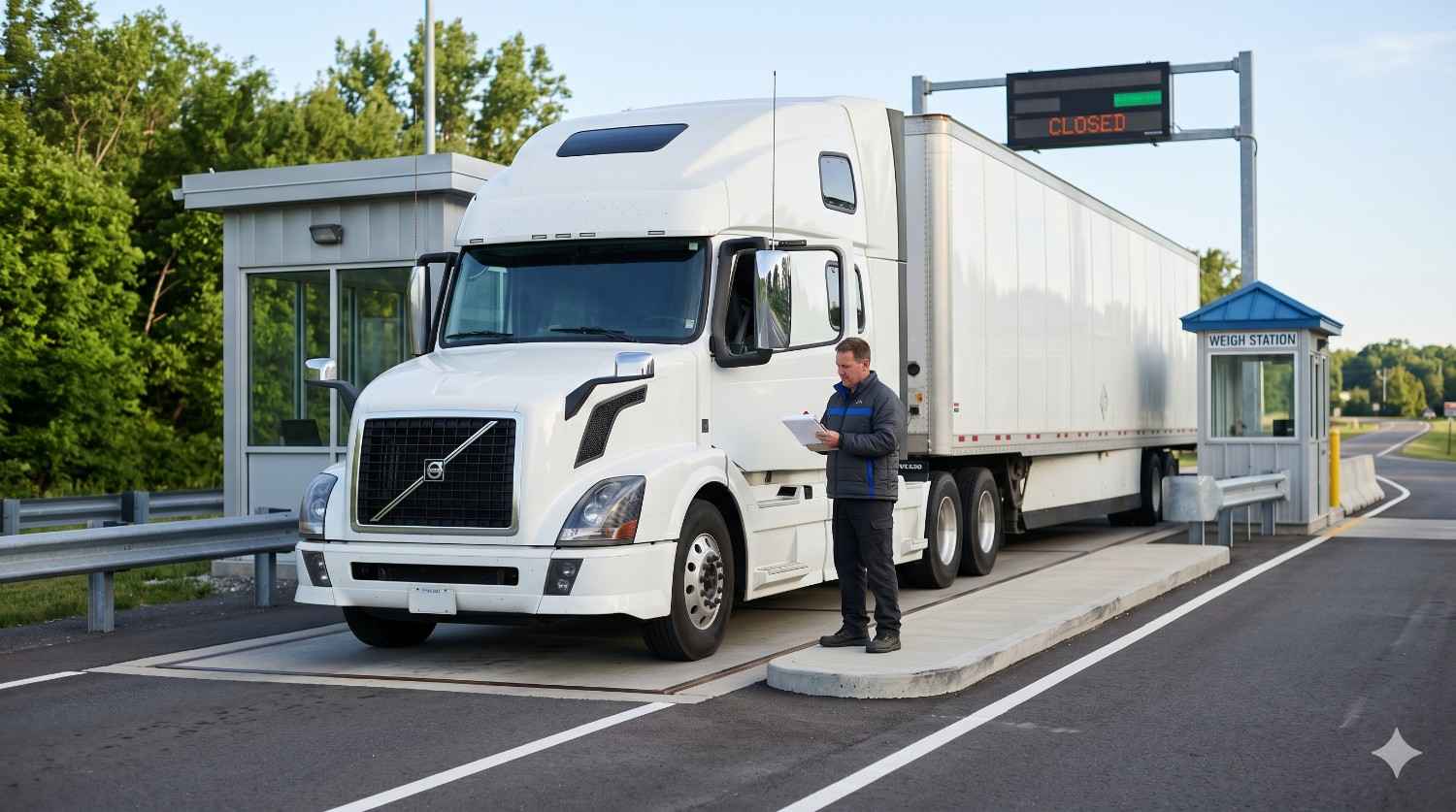
Commercial truck at weigh station for hvut tax form processing

Navigating the Heavy Vehicle Use Tax can be complex for owner-operators, fleet administrators, and tax accountants alike. This comprehensive glossary clarifies essential HVUT terminology and the specific language used in IRS Form 2290 filings. Whether you are filing for the first time or managing a large fleet’s annual compliance, understanding these definitions ensures accurate submissions and avoids costly penalties. The HVUT tax form 2290 is a critical document for anyone operating heavy highway vehicles, and this guide serves as your authoritative reference for decoding the requirements.

What Are The Core Basics Of HVUT And IRS Form 2290?

Establishing a firm grasp of foundational terms is crucial before diving into the complexities of HVUT tax form 2290. These core concepts appear frequently across all aspects of heavy vehicle compliance and form the foundation of your filing obligations.

Heavy Vehicle Use Tax: The HVUT is an annual federal fee assessed on heavy motor vehicles operating on public highways. It is owed by the individual or business in whose name the vehicle is registered. The revenue generated from this tax is dedicated to funding highway construction and maintenance across the United States. Unlike state-level registration fees, the HVUT is a federal obligation that applies uniformly across all states.

IRS Form 2290: This is the official document used to figure and pay the tax due on highway motor vehicles. It reports the vehicle’s taxable gross weight and mileage category, ultimately producing a Schedule 1, which serves as proof of payment. The form is filed annually with the IRS and must be submitted by specific deadlines based on when the vehicle is first used.

Highway Motor Vehicle: Any vehicle propelled by its own motor and designed to carry a load over public highways qualifies under this definition. This includes trucks, truck tractors, and buses. If a vehicle meets these criteria and the weight threshold, it is subject to the HVUT. The key distinction is that the vehicle must be designed for highway use, not merely capable of it.

Taxable Gross Weight: This is the critical metric that determines your tax liability. It is calculated by adding the empty weight of the vehicle, the empty weight of any trailers or semitrailers customarily used in combination with the vehicle, and the weight of the maximum load customarily carried. Accurate calculation of taxable gross weight is essential, as it directly drives the tax amount owed. This differs from the vehicle’s actual weight on any given day; it represents the maximum operating weight.

First Used Month: The FUM is the month during the tax period when a taxable vehicle is first driven on a public highway. This month anchors your specific due dates and determines how your tax is prorated if you begin operating mid-year. The FUM is one of the most important dates on your Form 2290, as it triggers your filing deadline.

Tax Period: The standard HVUT tax period runs annually from July 1 through June 30 of the following year. This cycle dictates the primary filing window and affects how partial-year taxes are calculated. Understanding this cycle is essential for planning your compliance calendar.

Example Vehicle Profile: Consider a truck tractor with an empty weight of 20,000 pounds, pulling a trailer weighing 15,000 pounds, and carrying a maximum load of 40,000 pounds. The taxable gross weight is 75,000 pounds, making it subject to the HVUT and requiring a Form 2290 filing. This vehicle would fall into the highest tax bracket and owe the maximum annual tax of $550 for a full year of operation.

Man filling out hvut tax form 2290 on laptop

When Are Form 2290 Taxes Due And How Is Proration Calculated?

Understanding the timing concepts that drive filing obligations is one of the most common challenges for filers. This section clarifies when to file and how much is due based on when a vehicle hits the road. Timing errors are among the most frequent compliance issues, so careful attention to these rules is essential.

Annual Filing Window: For vehicles in use during July, the standard annual filing window opens on July 1 and closes on the August 31 deadline. This is the busiest time for HVUT tax form 2290 submissions. The IRS processes millions of returns during this two-month window, so e-filing is strongly recommended to avoid delays.

FUM-Based Due Date: If a vehicle is first used on a public highway after July, the Form 2290 due date is the last day of the month following the First Used Month. For example, if a vehicle is first used in October, the return is due by November 30. If first used in June, the return is due by July 31. This rule ensures that filers have a full month to prepare and submit their returns after beginning operations.

Prorated Tax: When a vehicle begins operating mid-year, the tax is prorated based on the number of months remaining in the tax period. This ensures you only pay for the portion of the year the vehicle is actually in service. Proration is calculated by dividing the full-year tax by 12 and multiplying by the number of months from the FUM through June 30.

Partial-Period Filing: This term refers to returns filed for vehicles starting mid-year or newly added to a fleet. It requires calculating the prorated tax from the FUM through the end of the tax period (June 30). Many fleet operators file partial-period returns when acquiring used vehicles or expanding their operations mid-year.

Final Return: If a vehicle is sold, destroyed, or stolen during the tax period, a final return may be necessary to report the change in status and potentially claim a credit for the unused portion of the tax paid. A final return ensures your records are accurate and may result in a refund or credit.

First Used MonthDue DateTax Period LengthProration Applied
JulyAugust 3112 MonthsNo (Full Year)
AugustSeptember 3011 MonthsYes
OctoberNovember 309 MonthsYes
JanuaryFebruary 286 MonthsYes
JuneJuly 311 MonthYes

How Do Vehicle Status And Weight Categories Impact HVUT Rates?

The status and weight of your vehicle dictate the specific rates applied, any special treatment it may receive, and the reporting labels required on your return. Weight categories are the primary driver of tax liability, so understanding them is fundamental to accurate filings.

Weight Categories: HVUT rates are grouped into categories beginning at 55,000 pounds. The tax increases incrementally as the weight category rises, up to a maximum cap. Vehicles under 55,000 pounds are not subject to the tax. The IRS uses a tiered structure to ensure that heavier vehicles, which cause more wear on highways, pay proportionally higher taxes.

Gross Taxable WeightAnnual Tax Rate
Below 55,000 lbsNo tax
55,000–75,000 lbs$100 + $22 per 1,000 lbs over 55,000
Over 75,000 lbs$550 (maximum)

Category W (Suspended): This designation applies to vehicles expected to be used 5,000 miles or less (7,500 miles or less for agricultural vehicles) during the tax period. While no tax is due, you must still file Form 2290 to claim this suspended status and maintain documentation proving the mileage limit was not exceeded. Suspension is valuable for seasonal or occasional-use vehicles.

Agricultural Vehicles: These are vehicles used primarily for farming purposes. They benefit from a higher mileage threshold (7,500 miles) before the tax applies, though the standard rates take effect once that limit is surpassed. Agricultural vehicles are defined as those used exclusively for transporting agricultural products or equipment between farms and markets.

Logging Vehicles: Vehicles used exclusively for harvesting and transporting forest products qualify for a reduced tax rate, typically 25% lower than the standard rate for their weight category. This reduction recognizes the specialized nature of logging operations and their importance to the timber industry.

Combined or Gross Vehicle Weight Rating: This is the maximum operating weight specified by the manufacturer. While helpful for general classification, the IRS relies on the specific Taxable Gross Weight calculation defined earlier for determining the actual tax owed. The GVWR is a starting point, but the actual taxable weight may differ based on typical load configurations.

What Filing Identifiers And Documents Are Required For Form 2290?

Assembling an accurate filing packet requires specific identification numbers and supporting documents. Having these ready ensures a smooth process for submitting your HVUT tax form 2290. Missing or incorrect information is a leading cause of filing rejections and delays.

Employer Identification Number: The IRS requires an EIN for Form 2290 filings. Social Security Numbers cannot be used. If you do not have an EIN, you must apply for one well in advance of your filing deadline. An EIN can be obtained from the IRS website or by mail; online applications are typically processed immediately.

Vehicle Identification Number: This unique 17-character alphanumeric code identifies your specific vehicle. It is typically found on the dashboard or driver’s side door jamb. Accurate VIN entry is critical; common digit errors (like confusing ‘0’ with ‘O’ or ‘I’ with ‘1’) can cause processing delays. Always verify the VIN from the vehicle’s title or registration.

Schedule 1 Stamped Copy: This is the official proof of payment generated after your Form 2290 is accepted. States require this stamped document to register the vehicle or renew tags. The Schedule 1 is not optional; it is a mandatory requirement for vehicle registration in all states.

Payment Proofs and Confirmations: Always retain confirmations of your electronic payments, canceled checks, or direct debit records. These are essential for reconciling accounts and proving compliance during an audit. Keep these documents for at least three years.

E-file vs. Paper: E-filing is highly recommended and often required for fleets with 25 or more vehicles. It offers faster processing, instant generation of the Schedule 1, and significantly reduces the risk of calculation errors compared to paper filing. ExpressTruckTax provides a streamlined e-filing experience tailored for accuracy and compliance.

Third-Party Designee and Preparer Signatures: These authorizations allow a trusted professional or service provider to discuss your return with the IRS, resolve processing issues, and ensure your filing is handled correctly on your behalf. This is particularly valuable for fleet operators managing multiple vehicles.

Pre-Filing Checklist

Before submitting your Form 2290, verify you have:

  • Valid EIN for your business
  • Accurate VIN for each vehicle (17 characters)
  • Taxable gross weight for each vehicle
  • First Used Month for each vehicle
  • Mileage documentation if claiming suspension
  • Payment method selected (EFTPS, direct debit, or check)
  • Backup documentation (titles, registrations, weight certificates)

How Do I Calculate HVUT, Apply Mileage Limits, And Make Payments?

Computing the tax accurately and selecting the right payment method are critical steps in completing your filing. Calculation errors are common, but modern e-filing platforms handle these automatically.

HVUT Rate Table: The IRS provides a table detailing the tax amount for each weight category. For a full year, the tax is $100 plus $22 for every 1,000 pounds over 55,000 pounds, capping at $550 for vehicles over 75,000 pounds. This structure incentivizes lighter vehicles and ensures heavier vehicles bear a proportional share of highway maintenance costs.

Mileage Limits: As noted, vehicles driven 5,000 miles or less (7,500 for agriculture) are suspended from the tax. If a vehicle initially designated as suspended exceeds this limit during the period, an amended return must be filed, and the tax paid. Accurate mileage tracking is essential for claiming suspension benefits.

Proration Formula: To calculate prorated tax, determine the full-year tax for the weight category, divide by 12, and multiply by the number of months remaining in the period (including the FUM). E-filing platforms like ExpressTruckTax handle this calculation automatically, eliminating manual errors.

Multiple Vehicles: You can report multiple vehicles on a single Form 2290, summarizing the total tax due. However, each vehicle’s VIN and weight category must be detailed accurately on the accompanying Schedule 1. Large fleets often file comprehensive returns listing dozens of vehicles.

Payment Methods: The IRS accepts Electronic Funds Withdrawal (direct debit), the Electronic Federal Tax Payment System and check/money order. Electronic methods are processed much faster and are recommended to ensure timely payment and receipt of your Schedule 1.

Worked Example: Prorated Tax Calculation

Scenario: A 62,000-pound vehicle first used in January.

  • Full-year tax: $100 + (7 × $22) = $254
  • Monthly tax: $254 ÷ 12 = $21.17
  • Months in period (January–June): 6 months
  • Prorated tax: $21.17 × 6 = $127 due

This vehicle would be reported on the February 28 deadline (last day of the month following January FUM).

rucks waiting at weigh station for hvut processing

What Are The Rules For Exemptions, Credits, Refunds, And Adjustments?

Not all vehicles owe the tax, and situations arise where you may be entitled to recover funds previously paid. Understanding these options can result in significant savings.

Statutory Exemptions: Certain vehicles are entirely exempt from the HVUT, including those operated by the federal government, state or local governments, mass transit authorities, and specific nonprofit organizations. Exempt vehicles must still be reported on Form 2290 with the appropriate exemption code.

Suspended Status Documentation: If claiming a mileage suspension, you must maintain detailed mileage logs to prove the vehicle did not exceed the 5,000 or 7,500-mile limit. These logs should include dates, beginning and ending odometer readings, and the purpose of each trip. The IRS may request this documentation during an audit.

Credits for Sold, Destroyed, or Stolen Vehicles: If you paid the tax on a vehicle that was subsequently sold, destroyed, or stolen during the period, you can claim a prorated credit on your next Form 2290 filing. The credit is calculated based on the remaining months in the tax period.

Overpayment and Duplicate Payment: If you mistakenly overpay or submit duplicate payments, you can apply the excess as a credit against future tax liabilities on a subsequent return. Alternatively, you can request a refund.

Refund Claims (Form 8849 Schedule 6): If you prefer a direct refund rather than a credit on a future return, you must file Form 8849 with Schedule 6. This is commonly used when a business closes or significantly reduces its fleet. Refund requests must be filed within a specific timeframe after the original return was filed.

Decision Tree: Credit vs. Refund

Did you overpay or have a vehicle removed?

├─ YES: Plan to file another Form 2290 next year?

│  ├─ YES: Apply as a credit on next return

│  └─ NO: Request refund via Form 8849 Schedule 6

└─ NO: No action needed

How Do I Handle VIN Corrections And Amended Returns For Form 2290?

Mistakes happen, and operational changes occur. Knowing how to correct errors and update your filings is essential for maintaining compliance. The IRS provides clear procedures for making corrections.

VIN Correction: If you filed with an incorrect VIN, you must submit a VIN correction. This involves filing a new Form 2290, indicating it is an amended return specifically for a VIN correction, to generate an accurate Schedule 1. The corrected Schedule 1 will reflect the accurate vehicle information.

Amended Return for Weight Increase: If a vehicle’s taxable gross weight increases during the period, moving it into a higher tax category, an amended return must be filed by the last day of the month following the month the weight increased. This ensures you pay the correct tax based on the vehicle’s actual operating weight.

Amended Return for Mileage Exceeded: If a vehicle claimed as suspended exceeds the mileage limit, an amended return is required to report the change in status and pay the prorated tax. The tax is calculated based on the months from the FUM through the end of the tax period.

Penalties and Interest: Failing to file or pay on time results in penalties and interest. If you have a valid reason for a delay, you can submit a reasonable cause statement explaining the circumstances to request penalty relief. Common acceptable reasons include illness, natural disasters, or reliance on professional advice.

Record Retention: The IRS requires you to keep copies of all returns, Schedule 1s, proof of payment, and mileage logs for at least three years after the date the tax is due or paid, whichever is later. Some practitioners recommend keeping records for five to seven years for additional protection.

Reasonable Cause Statement Template

If filing late, include a brief statement explaining:

  1. The reason for the delay (e.g., “Vehicle was acquired later than anticipated”)
  2. When you discovered the error
  3. Steps taken to correct it
  4. Assurance of timely compliance going forward

Why Does The State DMV Require A Stamped Schedule 1 For Registration?

The federal HVUT filing directly impacts your ability to operate legally at the state level. Understanding this connection ensures seamless registration and compliance.

DMV and IRP Requirements: State Departments of Motor Vehicles and the International Registration Plan offices mandate proof of HVUT payment before issuing or renewing registrations, tags, or apportioned plates. The stamped Schedule 1 is the universally accepted proof. Without it, you cannot legally operate the vehicle on public highways.

Registrant vs. Owner: The entity registering the vehicle must match the entity that filed the Form 2290. If a vehicle is leased, documentation must clearly show the relationship between the owner who filed and the registrant. Mismatches between the filer and registrant can cause registration delays.

Title Transfer, Additions, and Disposals: When buying or selling vehicles, your fleet records must align with your federal filings. Ensuring the Schedule 1 reflects your current active fleet is vital for seamless state registration. When a vehicle is sold, remove it from future filings and report the sale on an amended return if necessary.

Audit Readiness: Both state and federal auditors will verify that the vehicles registered match the vehicles reported on your Form 2290. Maintaining accurate, organized records ensures you are always prepared for a review. Discrepancies between federal and state records are red flags that trigger audits.

Document Flow: Federal to State

Form 2290 Filed with IRS

        â†“

IRS Accepts Return

        â†“

Schedule 1 Stamped & Returned

        â†“

Schedule 1 Submitted to State DMV

        â†“

State Issues Registration/Tags

        â†“

Vehicle Legally Operable on Public Highways

This glossary serves as your definitive guide to understanding HVUT tax form 2290 terminology. By mastering these definitions, owner-operators and fleet administrators can ensure accurate filings, avoid penalties, and streamline their registration processes. Bookmark this resource for quick reference during the busy filing season and use it to update your internal standard operating procedures. ExpressTruckTax is committed to making HVUT compliance straightforward and stress-free, offering accurate e-filing services that generate your Schedule 1 instantly. Trust ExpressTruckTax for a seamless, compliant filing experience.

Frequently Asked Questions (FAQs): HVUT Tax Form 2290`

What is HVUT and who must file Form 2290?

The Heavy Vehicle Use Tax is a federal fee on vehicles with a taxable gross weight of 55,000 pounds or more operating on public highways. Anyone registering such a vehicle in their name must file Form 2290 with the IRS. The tax applies uniformly across all states and is separate from state registration fees.

When is Form 2290 due if I first use a truck mid-year?

If first used after July, the return is due by the last day of the month following the First Used Month. For example, a truck first used in October has a due date of November 30. The tax is prorated based on the number of months remaining in the tax period (July 1–June 30).

What qualifies a vehicle for suspended status and how do I document it?

A vehicle is suspended from the tax if it is expected to be driven 5,000 miles or less (7,500 for agriculture) during the tax period. You must file Form 2290 to claim this status and maintain detailed mileage logs as documentation. If the vehicle exceeds the mileage limit, an amended return must be filed to pay the tax.

How do I correct a VIN after I already filed?

You must file an amended Form 2290 specifically marked for a VIN correction. This updates the IRS records and generates a new, accurate Schedule 1. The corrected Schedule 1 can then be submitted to your state DMV for registration purposes.

What is the difference between an amended return and a new filing?

A new filing is for the initial reporting of a vehicle for the tax period. An amended return is used to correct errors (like a VIN) or report changes, such as a weight increase or exceeding the mileage limit on a suspended vehicle. Amended returns are clearly marked as such on Form 2290.

Can I claim a credit for a vehicle I sold during the tax period?

Yes. If you paid the tax and subsequently sold, destroyed, or had the vehicle stolen, you can claim a prorated credit on your next Form 2290 or request a refund using Form 8849 Schedule 6. The credit is calculated based on the remaining months in the tax period after the vehicle was removed from service.

What proof does a state DMV need for registration or plate renewal?

State DMVs and IRP offices require the IRS-stamped Schedule 1 generated after your Form 2290 is accepted as proof that the HVUT has been paid or suspended. This document is mandatory for vehicle registration and cannot be bypassed. Without it, registration will be denied.


What is HVUT? A Truckers’ Guide to Heavy Vehicle Use Tax

Toy truck and calculator representing heavy highway vehicle use tax payment

Heavier vehicles, such as trucks and commercial transporters, are subject to higher taxes because of their significant impact on road surfaces. The additional weight they carry causes accelerated deterioration of public roads, leading to increased maintenance and repair costs. To compensate for this, governments impose heavier taxes on these vehicles, ensuring that their operators contribute fair shares to the upkeep of the transportation infrastructure.

The heavy vehicle use tax (HVUT) serves as a practical tool to address these concerns. It ensures that those who benefit from heavy vehicle operations contribute proportionately to their potential impact on the road network.

The HVUT has been modified over the years to reflect changes in transportation needs, inflation, and vehicle technology. Despite these changes, the core objective remains the same: to maintain a well-funded and functional highway infrastructure.

HVUT is an annual fee assessed on heavy vehicles with a taxable gross weight of 55,000 pounds or more. Understanding its implications is essential for trucking companies as it directly affects their operations.

Trucking companies must navigate the specifics of HVUT to avoid penalties, maintain good standing with tax authorities, and ensure uninterrupted business operations. The tax is tiered, meaning the more a vehicle weighs, the higher the tax imposed. It is essential for these companies to keep accurate records of vehicle weights and usage to calculate their tax liability correctly.

By ensuring HVUT compliance, trucking companies not only fulfill their legal obligations but also support the ongoing effort to preserve the integrity of the nation’s highways, on which they heavily rely for their operations.

Deadlines for Form 2290 Heavy Vehicle Use Tax Payments

Understanding the HVUT payment schedule and tax period details is crucial for trucking companies to manage their fiscal responsibilities effectively. This section provides a comprehensive guide to the annual tax obligations, critical deadlines, and partial payment options available for heavy vehicle operators.

Annual Tax Obligations and Deadlines

The Heavy Vehicle Use Tax requires trucking companies to file IRS Form 2290 annually. The tax period for HVUT begins on July 1 of the current year and ends on June 30 of the following year. Here’s what trucking businesses need to know about managing their HVUT:

  • The deadline to file HVUT using Form 2290 is by the last day of the month following the month of first use. For vehicles used year-round, the deadline is August 31.
  • It is vital to file on time to avoid penalties and interests for late submissions. In case of an extension, trucking companies must provide proof of extension.
  • Payment must be made in full unless the vehicle is eligible for a partial payment option, which is applicable to vehicles used seasonally.

Partial Payment Options

For vehicles that are not operational throughout the year, the IRS allows for partial payments of HVUT. Understanding this option can lead to significant savings for trucking companies:

Eligibility: Partial payment is an option for vehicles operating less than the full tax period.

Pro-Rata Taxes: Taxes are calculated on a monthly basis from the first month of use until the end of the tax period.

Documentation: Accurate records must be kept documenting the reduced usage to qualify for this option.

Tax Period Details

The HVUT tax period is a fixed annual schedule that trucking companies must adhere to:

Start Date: The official start date for HVUT is July 1. All reporting and payments should be planned around this date.

End Date: The tax period concludes on June 30 of the following year, ending the current HVUT cycle.

Pro-Rata Basis: If a vehicle is purchased and put into service after the start of the tax period, the tax is calculated on a pro-rata basis for the remainder of the period.

The option for partial payments can also offer a way to optimize tax obligations for vehicles not used throughout the entire tax period. Maintaining accurate records and planning for the predefined HVUT tax period are key to managing this aspect of fiscal responsibility.

Accountant calculating federal heavy highway vehicle use tax amid paperwork

How to Determine Your Taxable Gross Weight for HVUT Compliance

To comply with the federal heavy vehicle use tax, trucking companies must accurately calculate the taxable gross weight of their vehicles. This calculation is crucial for determining the correct tax bracket and ultimately the amount of tax owed under the HVUT.

Understanding the Components of Taxable Gross Weight

The taxable gross weight of a heavy vehicle is a combination of several elements:

  • The actual weight of the truck or tractor, when fully equipped for service.
  • The weight of the trailer or semi-trailer, fully equipped for service.
  • The maximum load weight typically carried on the truck, trailer, or truck-trailer combination.

To ensure precision in this calculation, follow these needed steps:

  • Weigh the truck or tractor on a certified scale when it is fully equipped for service, including fuel, tools, and other equipment.
  • Weigh the trailer or semi-trailer when it is fully equipped for service.
  • Add the maximum load usually carried or shipped in the vehicle to the combined weight of the truck and trailer. This represents the gross combination weight.

When calculating the taxable gross weight for HVUT, use the highest weight for each component during the tax period, even if the vehicle configuration changes. Ensure that the scale used for weighing is certified and that documentation reflects the weight accurately.

Finally, include any special equipment that is permanently mounted on the vehicle and contributes to its weight.

Accurate record-keeping for taxable gross weight is essential for HVUT compliance:

  • Maintain records of the actual weights of the trucks, trailers, and maximum loads.
  • Ensure that your records are accessible and can be presented when requested by tax authorities.
  • File these weights accurately on IRS Form 2290, the Heavy Vehicle Use Tax form, to report the taxable gross weight to the IRS.

Remember, the goal is to calculate the taxable weight precisely without overestimating, which could result in unnecessary tax expenses, or underestimating, which could lead to penalties.

Mastering HVUT Compliance: A Guide to Filing and Payment Procedures

The Heavy Highway Vehicle Use Tax requires vehicle owners to comply with specific payment and filing procedures. This section focuses on IRS Form 2290, the tax form used to calculate and submit HVUT payments for heavy vehicles.

Filing Requirements with IRS Form 2290

Form 2290 is the primary document used by heavy vehicle operators to comply with HVUT regulations. This form plays a critical role in calculating the tax due for vehicles with a gross taxable weight exceeding 55,000 pounds. The form also applies to a fleet of vehicles, with specific requirements for fleet owners to adhere to.

Those with fleets must follow specific guidelines set forth by the IRS:

Accurate Reporting: List all vehicles in the fleet, ensuring that the information provided is up-to-date and precise.

E-Filing Mandate: For fleets with 25 or more vehicles, the IRS mandates electronic filing.

Supporting Documents: Maintain records that support the information reported on Form 2290, as the IRS may request documentation for verification.

Maintain a structured approach to HVUT compliance by securing Form 2290, filling it out with correct vehicle details, and choosing the best filing option, with electronic filing streamlined for owners with larger fleets. Proper completion and timely submission of Form 2290 ensures smooth operations for heavy vehicle operators and contributes to the funding needed for the maintenance of public highways.

The Impact of Non-Compliance: Understanding HVUT Payment Penalties

Failing to pay the Heavy Vehicle Use Tax  can lead to significant legal and operational repercussions for Owner-Operators or trucking companies. Compliance with HVUT is critical, as it directly influences both the legal standing of a company and its ability to continue uninterrupted operations.

The legal consequences of not paying the HVUT are severe and can impact a trucking company’s operations extensively. Here are some of the consequences that non-compliant companies may face:

Penalties and Interest: The Internal Revenue Service (IRS) may impose penalties for late or incomplete HVUT payments, along with interest on the unpaid tax amount.

Tax Liens: Continued non-payment can result in tax liens against the company’s assets, which can damage the company’s credit rating and ability to secure loans.

Revocation of Vehicle Registration: Failure to provide proof of HVUT payment can lead to the revocation or denial of vehicle registration by state Departments of Motor Vehicles (DMVs).

Audits and Investigations: Non-compliance with HVUT can trigger IRS audits, which could uncover additional financial discrepancies and result in further fines and legal action.

Dealing with the legal aftermath of HVUT non-compliance not only disrupts business operations but may also impose financial strains that can be detrimental to the company’s long-term viability. Therefore, staying compliant is essential to avoid these significant legal hurdles.

Overcoming HVUT Payment Obstacles: Tips for Trucking Companies

When trucking companies encounter cash shortages that prevent them from paying the full HVUT amount, the IRS offers payment plan options to help manage their tax obligations.

Short-Term Payment Plan: This plan is available for businesses that can pay the total tax due within 180 days.

Long-Term Payment Plan: Companies needing more time can negotiate a long-term payment plan with the IRS, involving monthly installments.

Streamlined Installment Agreement: For tax debts under a certain threshold, the IRS offers streamlined installment agreements that can be set up without detailed financial disclosures.

Effective cash management during HVUT season is crucial for maintaining the financial health of trucking companies. Utilizing budgeting practices, dedicated savings strategies, and short-term financial solutions can alleviate the stress of lump-sum payments. For those still facing difficulties, IRS payment plans offer structured alternatives to manage HVUT obligations over time, ensuring compliance and continuity of business operations.

Ready to simplify your HVUT filing? With ExpressTruckTax, you’ll avoid common errors, receive your stamped Schedule 1 in minutes, and stay compliant. Start your filing process today!

Save Time & Bulk Upload Multiple 2290 Forms

Save Time & Bulk Upload Multiple 2290 Forms

One of the best things about the trucking industry is how diverse it is.

One trucker might be an owner-operator, the other might be a company man for a large fleet. Either way, they’re going to have to file Form 2290. Taxable vehicles include any highway motor vehicles that have a taxable gross weight of 55,000 pounds or more.

So that probably covers your entire fleet. But how can you file HVUT for all of your vehicles? The answer is simple: bulk uploading and ExpressTruckTax’s TruckZone feature.

Why Should I Bulk Upload?

First of all, it’s easy. Instead of entering each record one-by-one, you fill out a spreadsheet and our program does the rest.

Here’s what you do:

  • Login to our system, download the official spreadsheet. 
  • Go field by field and enter the appropriate information in the right format. 
  • After the form is complete, head back to ExpressTruckTax and upload the file.
  • Our software will check for errors and make sure each field is correct. 
  • Note, if you already have your own spreadsheet use our smart upload. We will make sure fields match on our end, so that you don’t waste time making a new spreadsheet. 
  • Make sure everything looks right.
  • Pay and transmit!

Finally, once you get your fleet’s vehicles uploaded, your trucks will be saved year to year thanks to our TruckZone.

What Is TruckZone?

When you need to e-file Form 2290 for multiple vehicles, TruckZone is a lifesafer. Working as virtual fleet, TruckZone keeps all of your vehicles on record so you can access them at any time.

Let’s say you need to file HVUT for 10 trucks. This feature lets you create your own truck tax zone where you can select the 10 trucks which need an HUT filing. In a few minutes, you can e-file form 2290 for all 10, and receive 10 stamped Schedule 1’s in just minutes.

Related Blog: Bulk Uploading: HVUT for Fleets

With TruckZone and bulk uploading in your virtual tax toolbox, you’ll be the master of heavy vehicle use taxes!

If you have any questions about using TruckZone, give our customer support experts a call at 704.234.6005.

Trucking Spotlight

– Joseph Yargo Trucking

– This is a picture of my fighting tiger. 

– I would like to thank ExpressTruckTax.  I truly did receive my Schedule 1 within minutes of filing

We are proud to showcase our clients’ trucks on our blog! If you are one of our clients, please send us a picture and details about your truck and we will be happy to post them here. Thank You!

The Hassle of Filing an IRS Form 2290

IRS Form 2290 is used to collect what is referred to as the Heavy Vehicle Use Tax or HVUT. It is a fee that the IRS requires all vehicles with registered gross weights equal to or exceeding 55,000 pounds to pay annually on heavy vehicles operating on public highways.

This IRS Form contains a Schedule 1 that must be stamped by the IRS before the vehicle can be registered.  This form can be mailed to the IRS, which can take up to several weeks to process.  It could also be taken directly to the IRS office, which can take several hours of your day.  This must be accompanied by a proof of EFTPS payment.  

This form must be filed annually, for each taxable vehicle that is used on public highways during the current period.  The Current Period begins on July 1st and ends on June 30th.  A Form 2290 must also be filed once a vehicle is placed in service.  The due date for each month is the last day of the following month.  For example: if a vehicle is placed in service on October 3rd, the Form 2290 will be due on November 30th.  

Even though there are thousands, if not millions, of Heavy Vehicles that are required to file HVUT the IRS still requires everyone to either mail the Form 2290 to the IRS or actually come to the IRS office.  Fortunately there is an easier way that has recently become available.  

www.ExpressTruckTax.com allows you to fill out your IRS Form 2290 online and send it to the IRS electronically!  This way you can get a stamped schedule 1 in about 10 minutes.  Express Truck Tax is authorized by the IRS to file Form 2290.  The taxpayer will then receive the schedule 1 via email or fax as soon as the IRS processes the form.  The form will then be watermarked by the IRS instead of an actual physical stamp.

Filing a Form 2290 with the IRS

The Heavy Vehicle Use Tax, or HVUT, must be filed with the IRS for any highway motor vehicle that exceeds a gross weight of 55,000 pounds.  IRS Form 2290 Schedule 1 is used to report all vehicles for which you are reporting tax (including an increase in taxable gross weight) and those that you are reporting suspension of the tax by category and vehicle identification number (VIN).  The Schedule 1 may also be used as proof of payment to register your vehicle in any state. Use the stamped Schedule 1 that was returned to you by the IRS for this purpose.

Who Must File?
You must file a Form 2290 and Schedule 1 for the tax period beginning on July 1, 2010, and ending on June 30, 2011, if a highway motor vehicle is registered, or required to be registered, in your name under state, District of Columbia, Canadian, or Mexican law at the time of its first use during the period and the vehicle has a taxable gross weight of 55,000 pounds or more.  Any type of business entity may file a Form 2290 with the IRS.

What Vehicles are Taxable?
The IRS considers taxable Highway Motor Vehicles to be any self-propelled vehicle that is designed to carry a load over public highways.  Examples of such vehicles include trucks, truck tractors, and buses.  The IRS typically does not consider vehicles such as vans, pickup trucks, panel trucks, or similar vehicles because they do not typically weigh 55,000 pounds or more.  A vehicle may consist of a chassis, or a chassis and a body, but does not include the load of the vehicle.  

Who is Exempt?
Although it is rare, some Vehicles that fit the above description may be exempt from the HVUT and Filing requirements of Form 2290.  To officially be exempt from filing Form 2290, the vehicle must be owned and operated by the following:
  • The Federal Government
  • The District of Columbia
  • state or local government
  • American National Red Cross
  • Non-Profit Volunteer Fire Department, Ambulance Association, or Rescue Squad
  • Indian Tribe Government (Only if the Vehicle is Used for essential Tribe or Government Function)
  • Mass Transportation Authority (Only if granted certain powers normally exercised by the state)
  • Qualified Blood Collector Vehicles
  • Mobile Machinery that meets specifications for a chassis


When to File?
A Form 2290 must be filed annually, for each taxable vehicle that is used on public highways during the current period.  The Current Period is from July 1, 2010 and ends on June 30, 2011.  A Form 2290 must also be filed once a vehicle is placed in service.  The due date for each month is the last day of the following month.  For example: if a vehicle is placed in service on October 3rd, the Form 2290 will be due on November 30th.  

How to File?
Although it is possible to paper file, E-Filing is required for each return containing at least 25 vehicles.  The IRS does encourage everyone to file electronically due to its security and speed.  This is highly recommended for Form 2290 in particular because the filing due dates are always only one month away.  There are several providers of services that can help you E-File Form 2290 with the IRS, one such provider is www.expresstrucktax.com.  They provide a very excellent service for all Truck Tax Needs. 

ExpressTruckTax.com can help you file Form 2290 and Fuel Tax

Any individual buying or using a heavy duty truck must file and pay the Heavy Duty Trucks Road Tax. The filing process involves filling out Form 2290. You can use ExpressTruckTax.com to fill it out and get it done in just a few minutes. Our service fees are the lowest in the industry, starting at $9.90 for a single truck filing. It sure beats driving to the IRS field office and waiting in line for hours.

Make sure to have the Vehicle Identification Numbers of any vehicles you are filing for. If the truck(s) you’re filing for will travel 5,000 miles or less during the tax period (July to June of the next year), a tax refund can be claimed by the filer. That also applies if the heavy highway vehicle was destroyed, stolen or sold during the tax period. Claiming the refund requires a different form. ExpressTruckTax will even help tax payers file for their refund using Form 8849.

There are different tax rules for different types of trucks–depending on the weight and what the truck is being used for. The taxable gross weight is 55,000 pounds or higher in most cases. Refer to Form 2290 or ExpressTruckTax.com for help with your particular truck.

Need to file your IFTA Fuel Tax?  We just introduced Fuel Tax filing service to our product portfolio. You can now file IFTA fuel tax for unlimited Trucks for $24.95. Also, you can maintain the Trip Sheets online for free and generate IFTA returns at the end of the quarter.

ExpressTruckTax.com offers bundles that will let you file forms for hundreds of trucks for one price. This is useful if you have trucks that aren’t going on the road till later in the year.

Express2290 now offers proof of payment notifications!

Express2290.com is all about saving customers time and money. The program is already packed with great features–like free VIN correction, bulk uploads, text message notifications–but they went ahead and added one more.

Usually owner-operators are required to provide proof to their contracting trucking or leasing company that they have filed their 2290 form and paid the HVUT. The problem is, as owner-operators, they’re not always near a fax machine, computer, or post office. That’s where Express2290.com comes in. 

The folks at Express2290.com will send a free proof of payment notification on behalf of the owner operators that file through them. All they have to do is enter in the contact information for the trucking company they drive for and Express2290 will automatically send both the owner-operator and their company a copy of the stamped Schedule 1 form when it comes in.

Everyone wins with this system–the owner-operator doesn’t have to find a fax machine, and the trucking company doesn’t have to follow up with drivers to make sure they submitted their proof of payment. As with the other exclusive features at Express2290.com, the proof of payment notification is completely free. Just another way the folks at Express2290.com make taxes less taxing.

Last Minute Tax Tips

There are just 10 days left to e-file your HVUT forms at www.Express2290.com. Here are some tips to help you get through the process as quickly as possible,

Have your information close by. Know your business name, address and EIN. Also make sure to have the correct VINs for all the vehicles you’re reporting.

Know your vehicles. Got any suspended vehicles? Any vehicles lost or stolen? Make sure you report all your relevant vehicles to the IRS.

Get instant notification. With www.Express2290.com you can get fax and text message notifications so you know exactly when your Schedule 1 is ready.

Get some help from the experts. If you’re pressed for time, or just need a bit of assistance www.Express2290.com has incredible customer support. They can walk you through the program, even assist you in filing. Contact them via email, chat or phone.

Just 10 days left. Gather your info and head over to www.Express2290.com now to get started!

Take advantage of some great Express2290.com exclusives!

Express2290.com is all about speed and convenience–hence the Express name. Here are a couple of great exclusives you get with Express2290 that will help save you time and money.

-FREE fax and text message notifications. You’ll know when your Schedule 1 is ready just minutes after filing!

-Send a fax of your stamped Schedule 1 from within the application–FREE

-CPA’s/tax professionals can fax paperwork to their clients without leaving the application

-E-file a VIN correction FREE

-Automatic generation of your 8849 form while you’re filing 2290.

On top of all this, they also have US-based phone, email and chat support. Head to Express2290.com now to take advantage of these great features and so much more.